I’m going to start with a confession: I once tried to make a shrimp stir‑fry that ended up tasting like a soggy, overcooked mystery. The kitchen was a battlefield of splattering oil, a shrimp‑scented haze, and a lingering feeling that I had just ruined dinner for my family. I swear I could hear the timer on the oven mock me as I frantically scrambled to salvage the mess. That disaster sparked a daring promise to myself—no more limp shrimp, no more wilted veggies, and certainly no more bland sauces. I dove deep into the pantry, the freezer, and even the farmer’s market, hunting for the perfect combination of crunch, zest, and that elusive umami punch that makes you shout, “I dare you to taste this and not go back for seconds!”
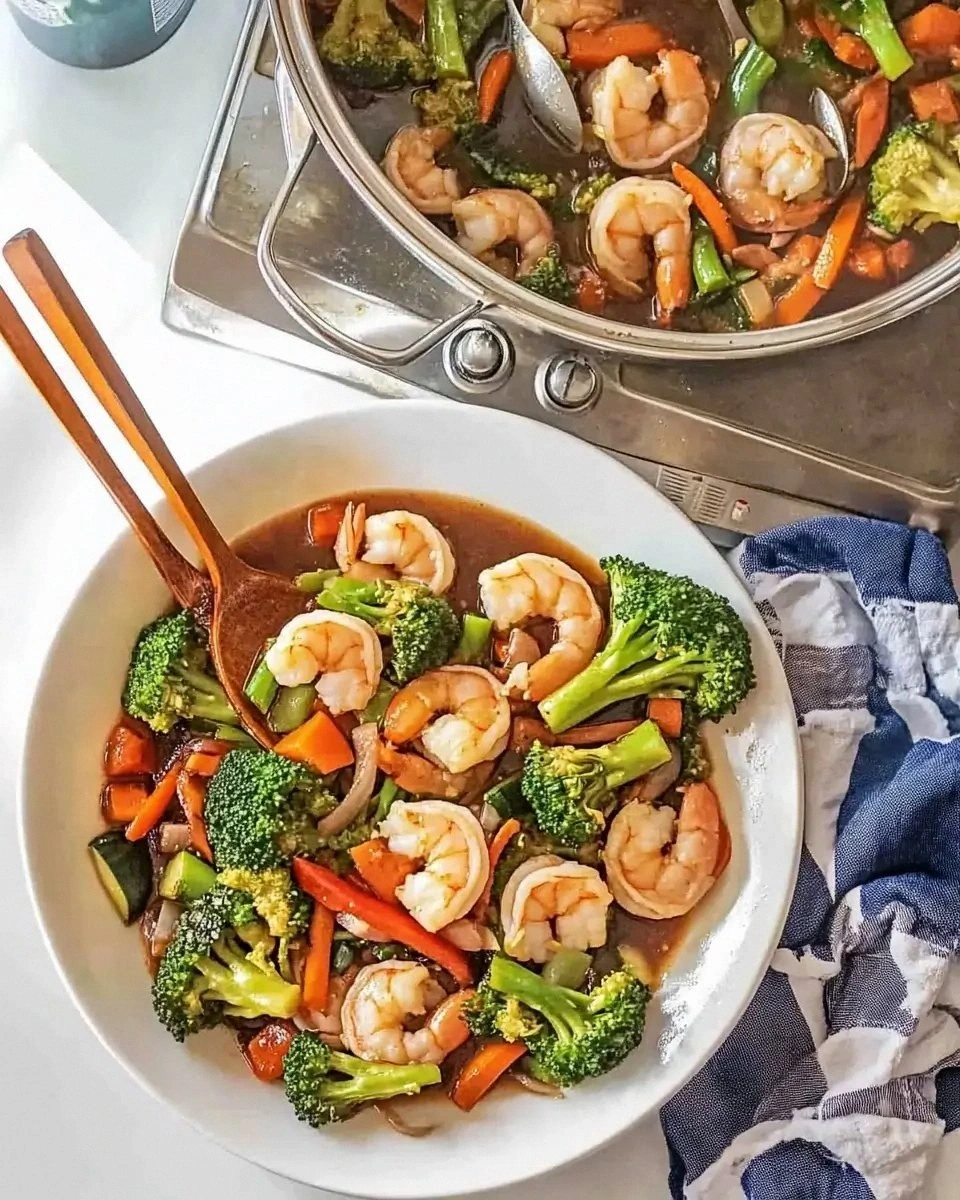
Picture this: a sizzling wok that sings a high‑pitched “shhh‑shhh‑shhh” as the oil heats, the bright colors of bell peppers, broccoli, and snap peas glistening like a painter’s palette, and the shrimp—plump, pink, and just beginning to curl—waiting for their moment of glory. The kitchen fills with the intoxicating aroma of garlic and ginger, a perfume that makes you want to inhale deeply enough to fill your lungs with flavor. The heat is fierce, but the sauce—sweet, salty, and just a whisper of sesame—coats every piece like a silk veil, making each bite a harmonious blend of textures and tastes. The whole scene feels like a culinary fireworks display, where each pop is a burst of satisfaction that lingers on the palate.
Now, why does this version stand out from the sea of shrimp stir‑fry recipes you’ll find online? Most recipes get the sauce wrong—either it’s too watery, too salty, or it clings to the wok without ever truly hugging the shrimp. I’ve cracked the code with a simple cornstarch slurry that thickens the sauce just enough to cling like velvet, while the honey adds a subtle caramel note that balances the soy’s saltiness. The secret? A quick flash‑fry that locks in the shrimp’s natural juices, giving you that coveted “crack‑snap” texture that most home cooks miss. And let’s not forget the vegetable medley—each piece is blanched just enough to stay crisp, providing a satisfying crunch that shatters like thin ice when you bite into it.
I’m also throwing in a surprise ingredient that most chefs overlook: a dash of sesame oil added at the very end. It’s a game‑changer, delivering a nutty perfume that lifts the entire dish into a realm of restaurant‑quality flavor. This isn’t just a quick weeknight dinner; it’s the ultimate version you’ll ever make at home, a dish that will have friends begging for the recipe and you feeling like a culinary wizard. Let me walk you through every single step — by the end, you’ll wonder how you ever made it any other way.
What Makes This Version Stand Out
- Taste: The balance of salty soy, sweet honey, and nutty sesame creates a flavor orchestra that sings with every bite.
- Texture: Shrimp stay juicy and firm while vegetables retain a crisp‑tender bite, thanks to a precise flash‑cook method.
- Simplicity: Fewer than fifteen ingredients, most of which you already have in your pantry, make this a no‑stress weeknight hero.
- Uniqueness: The cornstarch slurry gives the sauce a glossy, cling‑all‑over finish that most take‑out places can’t replicate.
- Crowd Reaction: Expect an immediate “wow” from anyone who tries it—this is hands down the best version you'll ever make at home.
- Ingredient Quality: Using large shrimp and fresh, vibrant veggies ensures each component shines without competing for attention.
- Cooking Method: High‑heat stir‑fry locks in flavor and prevents sogginess, a technique many home cooks overlook.
- Make‑Ahead Potential: The sauce can be pre‑mixed and stored, letting you throw together a fast dinner in under ten minutes later in the week.
Alright, let's break down exactly what goes into this masterpiece...
Inside the Ingredient List
The Flavor Base
Garlic and fresh ginger are the dynamic duo that kickstarts the aromatic profile. The three cloves of garlic, minced fine, release a pungent, sweet heat that becomes the backbone of the sauce. Fresh ginger, grated into a tablespoon, adds a bright, peppery zing that cuts through the richness of the shrimp. Skipping either means you’ll miss the essential “pop” that makes the dish sing; if you must, substitute with a pinch of ground ginger, but know you’ll lose that fresh snap.
The Texture Crew
Bell peppers, broccoli florets, and snap peas are the colorful trio that bring both visual appeal and bite. Each cup is measured to keep the wok from becoming a mushy mess—too many veggies and the heat drops, too few and the dish feels sparse. If you can’t find snap peas, substitute with snow peas or even thinly sliced carrots for a similar snap. When selecting broccoli, look for tight florets; they hold up better under high heat and retain that satisfying crunch.
The Unexpected Star
Sesame oil might seem like a garnish, but adding it at the end creates a fragrant finish that elevates the entire dish. Just a teaspoon is enough to coat the shrimp and veggies in a nutty perfume that lingers long after the plate is cleared. If you’re allergic to sesame, a drizzle of toasted almond oil works surprisingly well, though the flavor profile will shift slightly toward a milder nuttiness.
The Final Flourish
Cornstarch and water form the slurry that transforms a thin soy‑honey mixture into a glossy, cling‑all‑over sauce. The tablespoon of cornstarch dissolved in two tablespoons of water prevents clumping, ensuring a silky texture that coats each shrimp like a second skin. Skipping the slurry means a watery sauce that pools at the bottom of the wok, leaving you with bland, unappetizing bites. For a gluten‑free version, swap cornstarch with arrowroot powder; the result is just as glossy.
Everything's prepped? Good. Let's get into the real action...
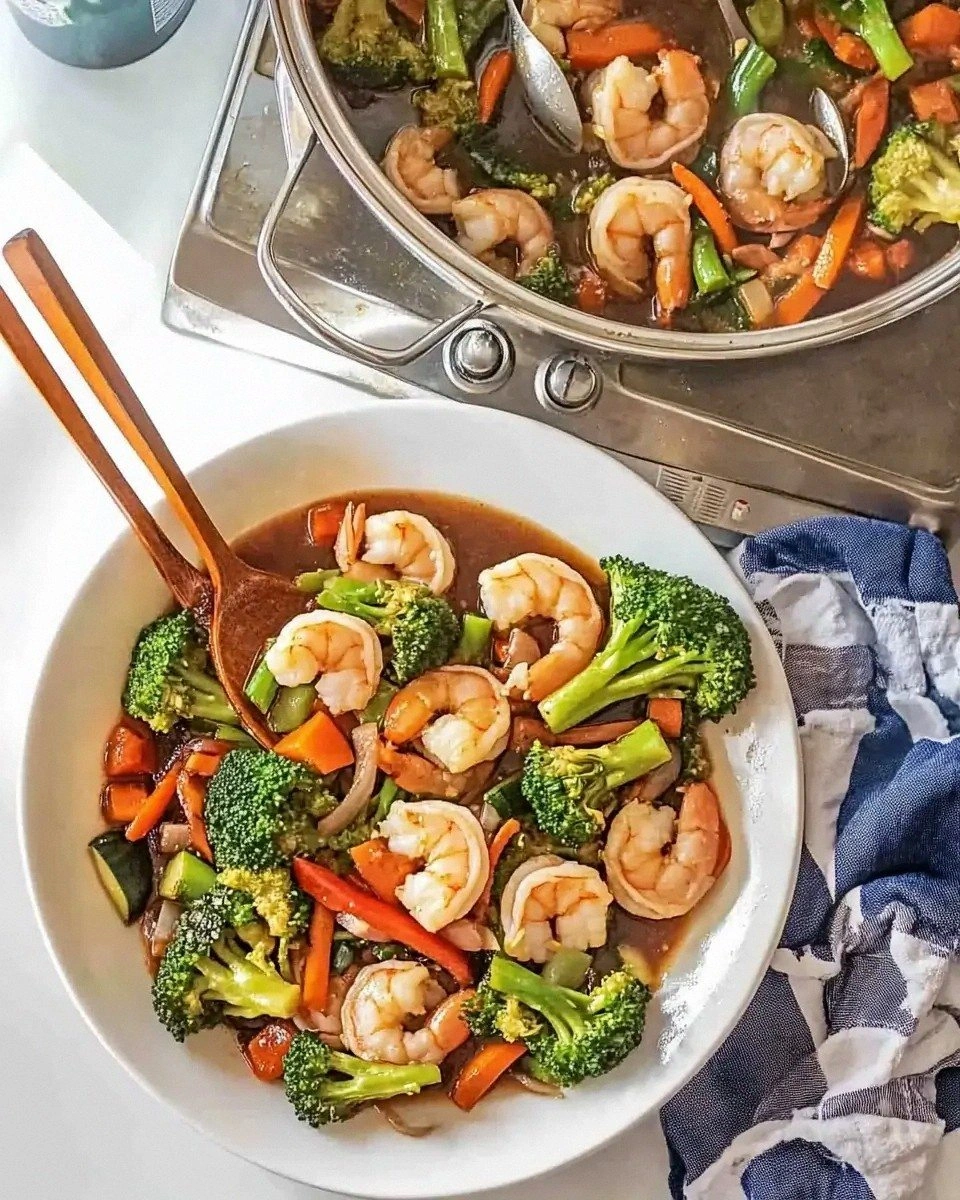
The Method — Step by Step
First, gather all your ingredients and set up a mise en place station. This may sound like a chef’s cliché, but trust me, having everything within arm’s reach prevents you from scrambling mid‑stir‑fry, which is the fastest way to burn the garlic. Pat the shrimp dry with paper towels; excess moisture will cause the oil to sputter, creating that dreaded “oil‑splatter” nightmare. Toss the shrimp in a bowl with a pinch of salt and half the vegetable oil, then set aside while you prep the veggies. That sizzle when the shrimp finally hits the pan? Absolute perfection.
Heat a wok or large skillet over high heat until it starts to smoke lightly—this is your cue that the surface is hot enough for a true stir‑fry. Add the remaining tablespoon of vegetable oil, swirling to coat the wok’s walls. Drop in the garlic and ginger, stirring constantly; you’ll hear a quick “pop‑pop” that signals the aromatics are releasing their flavors. Watch out: If the garlic browns too quickly, it will turn bitter, so keep the heat moving and the stirring brisk.
Add the shrimp in a single layer, letting them sizzle undisturbed for about 30 seconds. This brief pause lets the shrimp develop a caramelized crust, locking in juices. Then, toss the shrimp quickly, cooking for another 1–2 minutes until they turn opaque and just start to curl. Remove the shrimp and set them aside; overcooking will make them rubbery, and I’ve been there—trust me, it’s a culinary horror story you want to avoid.
Now it’s time for the veg crew. Toss the broccoli florets first; they need a minute longer than the peppers and snap peas. Stir‑fry for about 1 minute, then add the bell peppers and snap peas, keeping the motion fast and fluid. The vegetables should stay bright—think of a rainbow that’s been briefly kissed by fire. If you notice any steam escaping, that’s a good sign the wok is hot enough to give you that coveted “char‑kissed” edge.
While the veggies are dancing, whisk together the soy sauce, honey, sesame oil, and the cornstarch‑water slurry in a small bowl. This mixture should be smooth, with no lumps—any lumps will create texture surprises you don’t want. Pour the sauce over the vegetables, stirring constantly. You’ll see it thicken within seconds, turning the wok into a glossy arena where every piece gets coated. The sauce should cling like a silk scarf, not pool at the bottom.
Return the shrimp to the wok, tossing everything together so the protein re‑absorbs the sauce. This is the moment of truth—watch for the shrimp turning a deeper pink and the sauce clinging to each curve. Let everything mingle for another minute; the flavors will meld, creating a harmonious marriage of sweet, salty, and nutty notes. Taste at this point and adjust with a pinch more soy if needed; remember, seasoning is personal, and I dare you to taste this and not go back for seconds.
Finally, turn off the heat and sprinkle a drizzle of sesame oil over the top for that final aromatic punch. Toss once more, then serve immediately over a bed of steamed rice or your favorite noodles. The steam rising from the bowl should carry the scent of garlic, ginger, and a whisper of honey—an olfactory invitation you can’t refuse. And now the fun part: garnish with a handful of sliced green onions or toasted sesame seeds if you like extra texture.
That's it — you did it. But hold on, I've got a few more tricks that'll take this to another level...
Insider Tricks for Flawless Results
The Temperature Rule Nobody Follows
High heat is the secret weapon of every great stir‑fry. If your wok isn’t smoking, the vegetables will steam instead of sear, leading to soggy results. I keep the burner on its highest setting and pre‑heat the wok for at least two minutes before adding any oil. The moment the oil shimmers, you know you’re ready. This rule alone can turn a mediocre dish into a restaurant‑level masterpiece.
Why Your Nose Knows Best
Your sense of smell is a more reliable indicator than a timer. When the garlic and ginger start to release their fragrance, you’re at the perfect point to add the shrimp. If you wait too long, the aromatics will burn; too early, and they won’t infuse properly. Trust that “pungent, sweet” scent as your cue, and you’ll avoid the common pitfall of bitter garlic.
The 5‑Minute Rest That Changes Everything
After you finish cooking, let the dish rest for five minutes off the heat. This short pause allows the sauce to settle and the flavors to harmonize, much like letting a good wine breathe. I’ve seen friends rush to plate immediately, only to end up with a sauce that’s too thin. Patience here is a tiny investment for a big payoff in flavor depth.
The “Double‑Layer” Veggie Technique
Blanch the broccoli for 30 seconds in boiling water, then shock in ice water before stir‑frying. This double‑layer method guarantees that the broccoli stays bright green and retains a firm bite, while the other veggies stay crisp. Skipping this step often results in overcooked, dull‑looking broccoli that drags the whole dish down.
Sauce Rescue
If your sauce becomes too thick, simply whisk in a tablespoon of low‑sodium broth or a splash of rice vinegar. The acidity brightens the flavor and prevents the sauce from turning gummy. Conversely, if it’s too thin, a quick slurry of cornstarch and cold water will bring it back to that perfect glossy sheen. This flexibility means you can rescue the dish at the last second without panic.
Creative Twists and Variations
This recipe is a playground. Here are some of my favorite ways to switch things up:
Spicy Szechuan Kick
Add a teaspoon of Szechuan peppercorn oil and a pinch of red pepper flakes to the sauce. The tingling heat will transform the dish into a bold, tongue‑tingling adventure perfect for spice lovers.
Coconut Curry Fusion
Swap the soy sauce for ¼ cup of coconut milk and add a tablespoon of Thai red curry paste. The result is a creamy, aromatic twist that pairs beautifully with jasmine rice.
Crispy Noodle Bed
Instead of serving over rice, toss cooked, chilled egg noodles with a little sesame oil, then top with the stir‑fry. The noodles soak up the sauce, adding a comforting, slurp‑worthy texture.
Mediterranean Flair
Replace the soy sauce with a splash of lemon juice and a tablespoon of capers, and sprinkle feta cheese over the finished dish. The bright, briny notes give a Mediterranean makeover that’s unexpectedly delightful.
Veg‑Only Version
Omit the shrimp and increase the vegetable portions. Add tofu cubes that have been lightly pressed and tossed in cornstarch before frying. This makes a hearty, protein‑rich vegetarian option that still delivers that satisfying sauce coating.
Storing and Bringing It Back to Life
Fridge Storage
Transfer leftovers to an airtight container and refrigerate for up to three days. The sauce may thicken as it cools; simply reheat gently and stir in a splash of water to restore its silky texture.
Freezer Friendly
Portion the cooked shrimp and veggies into freezer‑safe bags, leaving a little headspace for expansion. Freeze for up to two months. When ready to eat, thaw overnight in the fridge, then reheat in a hot wok with a dash of oil and a teaspoon of water to revive the sauce’s gloss.
Best Reheating Method
For the ultimate reheated experience, use a skillet over medium‑high heat. Add a teaspoon of oil, toss the frozen or refrigerated leftovers, and finish with a splash of water or broth. This quick steam‑and‑sauté technique restores the original crunch and prevents the shrimp from becoming rubbery.