I’ll be honest — I ate half the batch before anyone else got to try it, and that’s because this Sweet Savory Caramelized Pulled Beef is nothing short of a culinary revelation. It all started on a rainy Tuesday when I was battling a stubborn brisket that refused to cooperate with any of the recipes I’d tried before. The kitchen smelled like a busted barbecue joint, the onions were still raw, and I was on the brink of ordering pizza. Then, in a moment of desperation, I tossed a handful of brown sugar into the pot, cranked up the heat, and let the magic happen. The result? A dish that sang with sweet, smoky, tangy notes, and a texture that fell apart like a soft‑served dream.
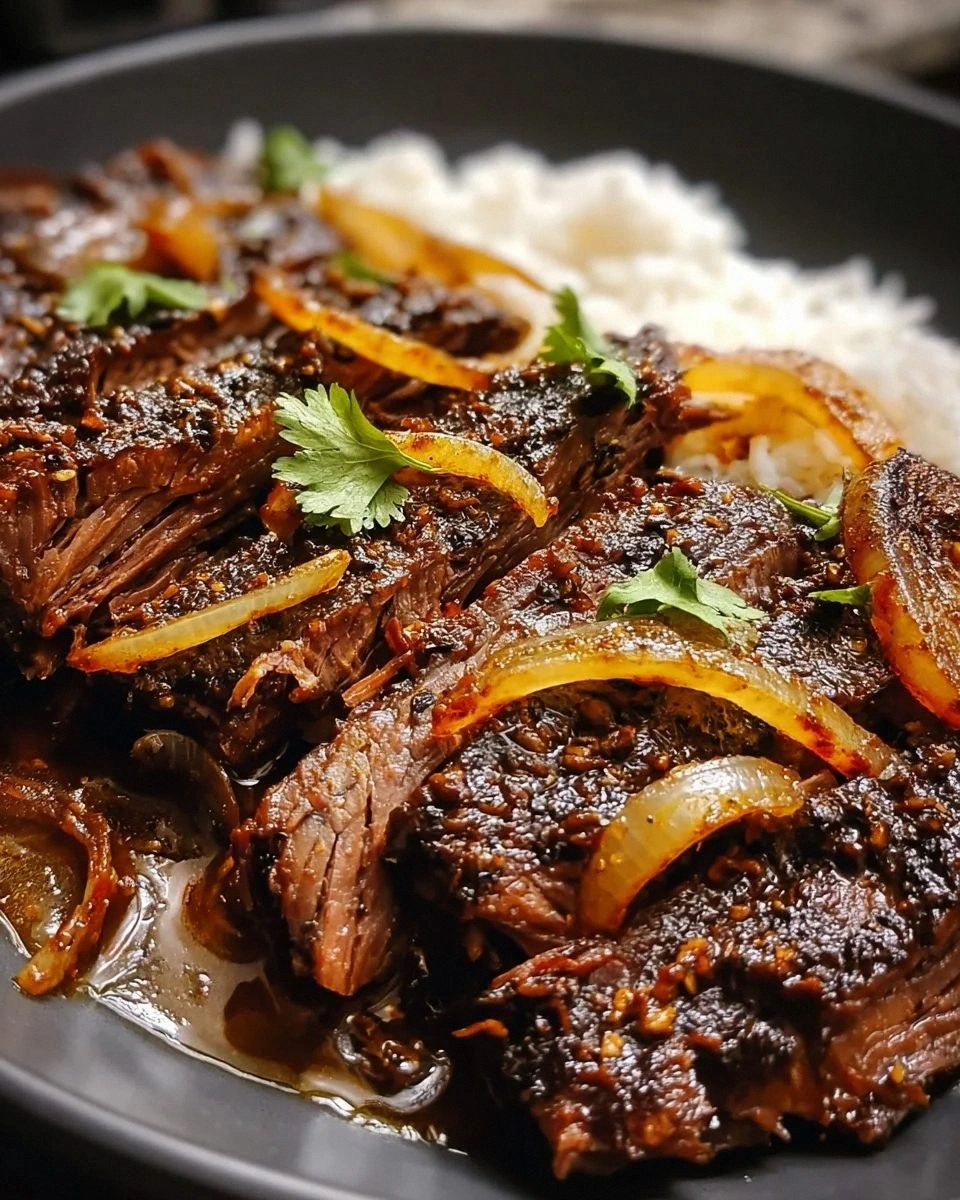
Picture yourself pulling this out of the oven, the whole kitchen smelling incredible, a caramelized glaze glistening like amber on a sunrise. The first bite hits you with a buttery richness, followed by a subtle snap of smoked paprika that makes your taste buds do a happy dance. The onions have turned into silky ribbons that hug the beef, while the garlic whispers its aromatic secret in the background. It’s the kind of dish that makes you want to slap a grin on your face and shout, “I dare you to taste this and not go back for seconds!”
Most recipes get this completely wrong. They either drown the beef in sauce or leave it dry and bland. I’ve cracked the code by balancing the sweet and savory elements with precision, using a quick sear to lock in juices before the long, slow caramelization. The secret weapon? A splash of apple cider vinegar that cuts through the richness like a bright spotlight, giving the whole thing a lively, almost tangy finish that you never see coming. This is hands down the best version you’ll ever make at home, and I’m about to spill every detail.
Okay, ready for the game‑changer? I’m going to walk you through every single step — from picking the perfect brisket to the final glorious pull. By the end, you’ll wonder how you ever made it any other way. Stay with me here — this is worth it.
What Makes This Version Stand Out
- Flavor Fusion: The marriage of brown sugar and soy sauce creates a sweet‑savory glaze that clings to each shred like velvet, while smoked paprika adds a whisper of outdoor grill vibes.
- Texture Triumph: Caramelized onions turn buttery and silky, providing a luscious contrast to the tender, melt‑in‑your‑mouth beef fibers.
- Simplicity: Only eleven ingredients, all pantry‑friendly, mean you won’t need a specialty store run to conquer this masterpiece.
- Unique Twist: A dash of apple cider vinegar brightens the dish, preventing it from becoming a cloying sweet and keeping the palate excited.
- Crowd Reaction: Served over rice, in tacos, or on a bun, this pulled beef consistently earns rave reviews and empty plates.
- Ingredient Quality: Using a well‑trimmed brisket ensures a perfect balance of fat and lean, delivering juiciness without excess greasiness.
- Cooking Method: A two‑stage process—high‑heat sear followed by low‑and‑slow caramelization—locks flavor in a way that pure slow‑cooking can’t match.
- Make‑Ahead Potential: This dish actually improves after a night in the fridge, allowing flavors to meld and deepen.
Inside the Ingredient List
The Flavor Base
Beef broth is the silent hero that keeps the meat moist while adding a subtle umami depth. If you skim the broth before adding, you’ll notice a cleaner, richer flavor that doesn’t drown the other components. For a low‑sodium version, choose a reduced‑salt broth or make your own stock from vegetable scraps.
Soy sauce brings a salty, fermented punch that balances the sweetness of the brown sugar. It also contributes a beautiful dark color that makes the final glaze look restaurant‑ready. If you’re watching sodium, try a low‑sodium soy sauce, but don’t skimp on the flavor.
The Texture Crew
Yellow onions, sliced thin, are the buttery backbone of this dish. As they caramelize, they release natural sugars that mingle with the brown sugar for a deep, caramel‑like flavor. If you’re allergic to onions, try thinly sliced leeks; they’ll give a similar sweetness with a milder bite.
Garlic, minced finely, infuses the sauce with a pungent warmth that cuts through the richness. Over‑cooking garlic can turn it bitter, so add it after the onions have softened and watch it turn fragrant in just a minute.
The Unexpected Star
Apple cider vinegar is the surprise element that brightens the entire dish. Its acidity lifts the heavy, sweet notes, creating a balanced flavor profile that sings on the palate. If you don’t have cider vinegar, a splash of sherry or even a touch of lemon juice can do the trick, though the fruitiness will shift slightly.
The Final Flourish
Smoked paprika and ground cumin together create a smoky‑earthy foundation that mimics a backyard grill without ever firing up the coals. The paprika adds a deep, red hue while cumin contributes a warm, nutty undertone. For a heat kick, sprinkle a pinch of cayenne or chipotle powder.
Brown sugar is the sweet catalyst that caramelizes with the onions, forming that glossy glaze we all love. Use a light brown sugar for a milder flavor or dark brown sugar for a richer molasses note.
Everything's prepped? Good. Let's get into the real action…
The Method — Step by Step
-
Start by patting the beef brisket dry with paper towels, then season it generously with salt, ground black pepper, smoked paprika, and ground cumin. The seasoning should coat the meat like a dusting of fine sand, adhering to every crevice. Let the brisket rest for 10 minutes so the flavors can begin to meld. That sizzle when it hits the pan? Absolute perfection.
Watch Out: If the pan isn’t hot enough, the meat will steam instead of sear, losing that essential crust. -
Heat a heavy‑bottomed Dutch oven or a large cast‑iron skillet over medium‑high heat and add a splash of oil. When the oil shimmers, lay the brisket in the pan, pressing it down gently. Sear each side for about 4‑5 minutes until a deep, caramelized crust forms. Flip only once; constant moving prevents that coveted crust from developing.
Kitchen Hack: Use a splatter guard while searing to keep your stovetop clean without sacrificing browning. -
Remove the brisket and set it aside. In the same pot, add the sliced yellow onions and a pinch of salt. Cook over medium heat, stirring occasionally, until the onions turn a deep amber and begin to stick to the bottom – that’s the caramelization stage, and it should smell sweet, almost like toasted marshmallows.
-
Add the minced garlic to the onions and sauté for just 30 seconds, watching carefully so it doesn’t turn bitter. Then sprinkle in the remaining smoked paprika and cumin, letting the spices toast for another minute. This brief toast releases their essential oils, intensifying the flavor profile.
-
Deglaze the pot with soy sauce, scraping up all the browned bits from the bottom – those are flavor gold. Follow with the brown sugar, stirring until it dissolves and creates a glossy, amber‑colored sauce. The mixture should bubble gently, thickening just enough to coat the back of a spoon.
-
Return the seared brisket to the pot, nestling it among the caramelized onions. Pour in the beef broth and apple cider vinegar, ensuring the liquid reaches about halfway up the meat. This balance of liquid will keep the brisket moist while allowing the top to caramelize.
-
Cover the pot with a tight‑fitting lid and transfer it to a preheated oven set to 300°F (150°C). Let it cook low and slow for 2½ to 3 hours, or until the meat is fork‑tender and starts to pull apart effortlessly. The aroma that fills your kitchen during this time is the kind that makes strangers peek through the window.
Watch Out: Opening the oven too often releases heat, extending the cooking time and risking a dry result. -
When the brisket is perfectly tender, remove it from the oven and let it rest for 10 minutes. This short rest allows the juices to redistribute, preventing them from spilling out when you shred the meat.
-
Using two forks, shred the brisket directly in the pot, mixing it thoroughly with the caramelized onions and sauce. The meat should pull apart in long, buttery strands that cling to the sauce like silk. Taste and adjust seasoning with a pinch more salt or a drizzle of soy sauce if needed.
Kitchen Hack: If you prefer extra caramelization, spread the shredded beef on a baking sheet and broil for 3‑4 minutes, watching closely. -
Serve the pulled beef over fluffy rice, tucked into soft tortillas, or piled high on a toasted bun. Garnish with fresh cilantro, a squeeze of lime, or a drizzle of extra soy sauce for added brightness. And now the fun part: dive in and watch everyone disappear back to seconds.
That's it — you did it. But hold on, I've got a few more tricks that'll take this to another level...
Insider Tricks for Flawless Results
The Temperature Rule Nobody Follows
Never rush the low‑and‑slow phase. Keeping the oven at a steady 300°F ensures the connective tissue breaks down evenly, giving you that melt‑in‑your‑mouth texture. If you crank the heat up, the outer layers will dry out while the interior remains tough. I once tried 350°F to save time, and the result was a chewy disappointment.
Why Your Nose Knows Best
Your sense of smell is the ultimate doneness gauge. When the onions start to smell like caramel and the broth reduces to a syrupy glaze, you’re on the right track. Trust that aromatic cue more than the clock; ovens can vary, and the scent tells you exactly when the flavor is peaked.
The 5‑Minute Rest That Changes Everything
After shredding, let the meat sit for five minutes uncovered. This brief pause lets excess moisture evaporate, concentrating the sauce and preventing sogginess. A friend tried skipping this step once — the final dish was watery and the flavors felt muted.
Sauce Thickening Secret
If after shredding you find the sauce too thin, simmer it uncovered for 5‑7 minutes, stirring constantly. The reduction will intensify the caramel notes and help the sauce cling to each fiber of meat. A splash of extra brown sugar at this stage can add a glossy finish.
The Flip‑Side of Salt
Season in layers: a pinch before searing, a dash in the sauce, and a final sprinkle after shredding. This builds depth without ever making the dish taste salty. If you’re using low‑sodium soy sauce, consider a tiny pinch of kosher salt at the end to bring out the flavors.
Creative Twists and Variations
This recipe is a playground. Here are some of my favorite ways to switch things up:
Spicy Chipotle Kick
Add 1‑2 teaspoons of chipotle in adobo sauce to the broth for a smoky heat that tingles the palate. Pair with a cool slaw to balance the fire.
Asian‑Inspired Soy‑Ginger
Swap the apple cider vinegar for rice vinegar and stir in a tablespoon of freshly grated ginger. Finish with a drizzle of sesame oil and sprinkle toasted sesame seeds.
Mediterranean Herb Infusion
Replace smoked paprika with smoked oregano and add a handful of chopped fresh rosemary to the broth. Serve over couscous with a dollop of tzatziki.
Sweet‑Heat BBQ
Mix in ¼ cup of your favorite BBQ sauce and a teaspoon of cayenne pepper during the simmer stage. This creates a tangy, spicy glaze perfect for sliders.
Apple‑Cinnamon Autumn
Add diced apples and a pinch of ground cinnamon when you add the onions. The fruit’s natural sweetness deepens the caramel and gives a cozy, fall‑time vibe.
Storing and Bringing It Back to Life
Fridge Storage
Allow the pulled beef to cool to room temperature, then transfer it to an airtight container. It will keep beautifully for up to 4 days. Before reheating, add a splash of beef broth or water; this steam‑revives the meat, keeping it juicy.
Freezer Friendly
Portion the cooled beef into freezer‑safe bags, removing as much air as possible. It freezes solid for up to 3 months. When ready to use, thaw overnight in the fridge, then reheat gently on the stovetop with a bit of broth.
Best Reheating Method
The stovetop method wins: place the beef in a skillet over low heat, add a tablespoon of water or broth, and cover. Stir occasionally for 5‑7 minutes until heated through. This prevents the meat from drying out and restores the glossy caramel coating.