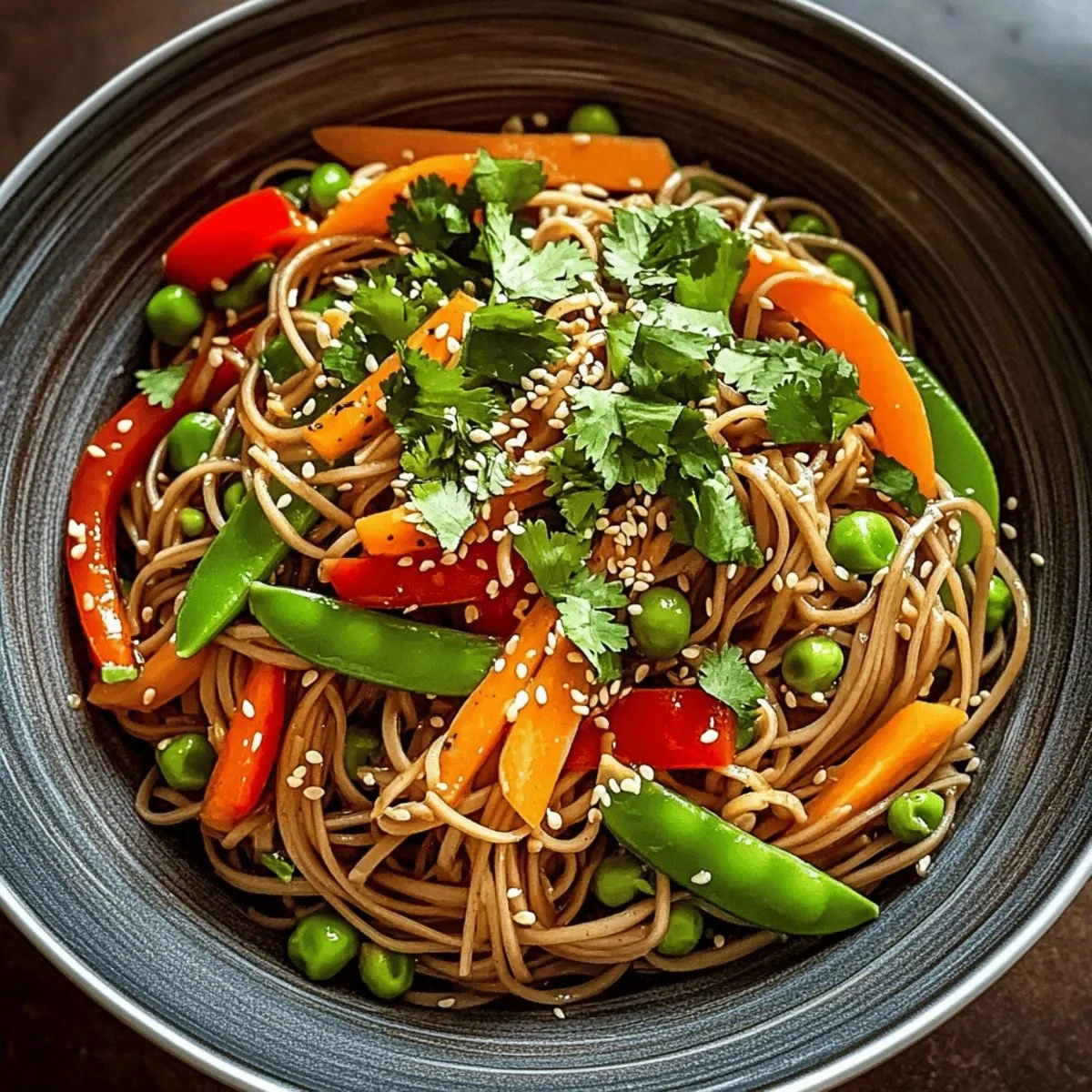
Last Tuesday at 7:43 p.m. I was standing in my kitchen in a fog of post-work hanger, staring down a half-empty fridge and a single, lonely packet of soba noodles that had been mocking me from the pantry for three weeks. The AC was wheezing, the dog was giving me the “feed me or I’ll start chewing the sofa” eyes, and the only thing I wanted in the entire universe was something cold, slurp-able, and aggressively flavorful—without having to turn on the stove for longer than it takes to boil water. I tossed the noodles into a pot, started julienning whatever vegetables hadn’t wilted into oblivion, and whipped up a teriyaki dressing so glossy it looked like it had been Photoshopped. Twenty-five minutes later I was on the back porch, chopsticks clicking, twirling icy strands coated in sweet-salty velvet, crunching through sugar-snap peas that popped like summer fireworks. I ate the entire mixing-bowl portion, wiped the bowl with my finger, and then—honestly—made another half-batch because the first one vanished in a blur of sesame-scented bliss. Somewhere between the second helping and the fifth “I should stop” that I completely ignored, I realized I’d accidentally cracked the code to the ultimate hot-weather lunch, picnic show-stopper, and midnight fridge raid all in one. This cold teriyaki noodle salad is a zesty, crunchy escape hatch from whatever culinary rut you’re stuck in, and it’s about to become the superhero cape of your summer recipe arsenal.
Picture this: chewy buckwheat noodles sliding through a sauce that coats each strand like liquid amber, flecks of toasted sesame seeds clinging like tiny pearls, carrots and bell peppers doing a technicolor confetti dance, cilantro leaves fluttering in like green butterflies, and the occasional rogue snap-pea half that crunches so loudly it drowns out your chewing soundtrack. The dressing walks that tightrope between sweet and salty the way Olympic gymnasts stick landings—effortlessly, with a wink. You get the nutty perfume of sesame oil curling up your nose, the bright slap of rice vinegar on the back of your tongue, and a gentle ginger heat that blooms slowly, politely, then refuses to leave the party. It’s the edible equivalent of jumping into a mountain stream after hiking in August: shocking, refreshing, addictive. And because everything is prepped while the noodles cook and then simply chilled, your stove gets a tiny vacation too. I dare you to taste this and not go back for seconds; I triple-dog dare you to serve it at a barbecue and not have friends elbowing each other out of the way for the last bite.
Most cold noodle recipes settle for “serviceable,” tossing together some soy sauce, a drizzle of oil, and whatever vegetables happen to be on life support in the crisper. They end up tasting like watered-down takeout that got lost in the mail. This version flips the script by reducing the teriyaki until it turns into lacquer-grade magic, balancing sweetness with acid so the flavor actually sticks to the noodles, and layering texture the way architects design skyscrapers—on purpose, with vision. The result? A bowl that tastes like the best food-court memories you never actually had, because no food court ever cared this much. If you’ve ever struggled with soggy, bland, clumpy cold pasta salads, you’re not alone—and I’ve got the fix. Stay with me here—this is worth it.
Okay, ready for the game-changer? We’re going to coat still-warm noodles in the dressing so they absorb flavor like thirsty little sponges, then shock them fast in an ice bath so the starch crystallizes and the strands stay perky for days. That step alone catapults this salad from “nice side dish” to “I will trade you my Netflix password for another helping.” By the time you finish reading this post you’ll know exactly how to nail the glossy sauce ratio, how to slice vegetables so they actually stick to your fork, and the one crunchy topping that makes people close their eyes when they bite into it. Let me walk you through every single step—by the end, you’ll wonder how you ever made it any other way.
What Makes This Version Stand Out
Flavor-bomb teriyaki: We reduce bottled teriyaki with soy, ginger, and honey until it turns into syrupy mahogany. It clings instead of puddling, so every bite tastes like the best part of a yakitori skewer minus the grill.
Triple-texture architecture: Silky noodles, crisp vegetables, and crunchy sesame seeds hit your mouth in waves—no monotonous mush. It’s like a symphony where every instrument knows exactly when to come in.
Speed-of-light prep: While the noodles boil, you whisk, slice, and shake. Total active time clocks in under fifteen minutes—faster than delivery and decidedly cheaper than therapy.
Make-ahead superhero: Flavors deepen overnight, so you can assemble on Sunday and coast through lunches until Wednesday. The noodles stay slurpy, not soggy, thanks to our ice-water spa treatment.
Crowd-thrilling versatility: Vegan? Swap maple for honey and skip the optional protein. Carnivore? Toss in leftover steak strips. Gluten-free? Rice noodles have your back. Everybody wins, nobody complains.
Instagram-ready glam: Those rainbow veggies against jet-black soba look like edible confetti. You’ll get the “where did you order that?” comments even though your biggest effort was pressing a button on the kettle.
Light-yet-satisfying balance: At 350 calories a serving, it fuels without food-coma-ing you. You’ll finish lunch and actually want to do afternoon things—revolutionary, I know.
Inside the Ingredient List
The Flavor Base
Soba noodles bring nutty depth and a 5-minute cook time. Made from buckwheat, they’re gluten-free by nature (check labels for 100 percent buckwheat if you’re celiac) and have that earthy perfume that plays beautifully with sweet teriyaki. Skimp here and swap plain spaghetti? You’ll lose the whole zen balance and end up with Italian-ish pasta wearing a Japanese costume—nobody wants that identity crisis.
Teriyaki sauce is the obvious star, but we’re doctoring it. Use a good bottled brand (I like the one in the fat squeeze bottle with the red lid) and reduce it with soy, rice vinegar, and honey until it bubbles like lava and coats a spoon. Think of it as teriyaki concentrate—flavor espresso instead of flavor drip coffee.
The Texture Crew
Shredded carrots aren’t just neon confetti; their natural sugars round out the salty edges and their toothsome snap keeps the salad from feeling like baby food. Buy them pre-shredded if you value sanity, but peel and julienne yourself for dragon-cut bragging rights. Leave them out and you’ll miss the subtle sweetness that makes the sauce sing.
Thinly sliced red bell pepper brings juicy crunch and a pop of color that photographs like a lipstick commercial. Slice them into matchsticks so they tangle with the noodles instead of falling to the bowl bottom like heavy ballast. Yellow or orange work, but red against the mahogany sauce is pure drama.
Snap peas, halved on the bias, deliver edible applause—crisp, sweet, and slightly grassy, they lighten the whole dish. Don’t substitute regular peas; you want the pod crunch, not mushy kernels that taste like kindergarten flashbacks.
The Unexpected Star
Freshly grated ginger is non-negotiable. Powdered ginger tastes like dusty regret. You want that citrus-peppery zing that makes your nose tingle. Microplane it right into the reduction and watch the sauce bloom from brown to brilliant.
Toasted sesame seeds are tiny flavor grenades. Buy them pre-toasted or swirl raw ones in a dry pan until they start tap-dancing—once you smell popcorn, pull them off; they’ll keep cooking from residual heat. Skip them and the salad feels naked, like leaving the house without earrings.
The Final Flourish
Cilantro haters, I see you and I respect your life choices—swap Thai basil or mint. For the rest of us, cilantro’s bright lemon-pepper note lifts the whole bowl out of heavy territory. Chop it roughly so every third bite carries that herbal high note.
Sesame oil is our finishing perfume. A tablespoon added after the sauce cools keeps its volatile aroma from burning off. Use the dark toasted kind, not the pale “light” version that tastes like cardboard water.
Everything’s prepped? Good. Let’s get into the real action...
The Method — Step by Step
- Bring a big pot of water to a rolling boil—salt it until it tastes like the ocean. Add your soba, stir for ten seconds so they don’t clump, then let them dance for four to five minutes. You want al dente, not floppy. Fish one out, bite it: should be chewy with a tiny white core. That slight under-doneness keeps them from going mushy later when they soak up dressing.
- While the noodles bubble, make the ice bath. Fill a large bowl halfway with cold water and throw in a tray of ice cubes. We’re about to arrest the cooking so fast the starch molecules won’t know what hit them, ensuring bouncy texture even tomorrow.
- Drain the noodles in a colander, immediately dump them into the ice bath, and swish like you’re panning for gold. Once they’re stone cold—about sixty seconds—drain again and give them a gentle shower under running water to rinse off surface starch. This is the part most recipes skip, then they complain about gummy pasta. Don’t be that person.
- Now the sauce: in a small saucepan combine teriyaki, soy, rice vinegar, honey, and ginger. Bring to a gentle simmer over medium heat, then lower to maintain perky bubbles for five minutes. Stir occasionally; it will thicken, darken, and go glossy like a Netflix documentary glaze. When it coats your spatula like thin maple syrup, pull it off and let it cool five minutes. Hot sauce plus cold noodles equals temperature confusion; we want warm, not volcanic.
- Pat your noodles very dry with a clean kitchen towel—excess water dilutes flavor. Place them in a mixing bowl, pour over the reduced sauce, and toss with tongs until every strand looks like it’s been varnished. The noodles should still be slightly warm so they absorb flavor, but not hot enough to cook the vegetables we’re about to add.
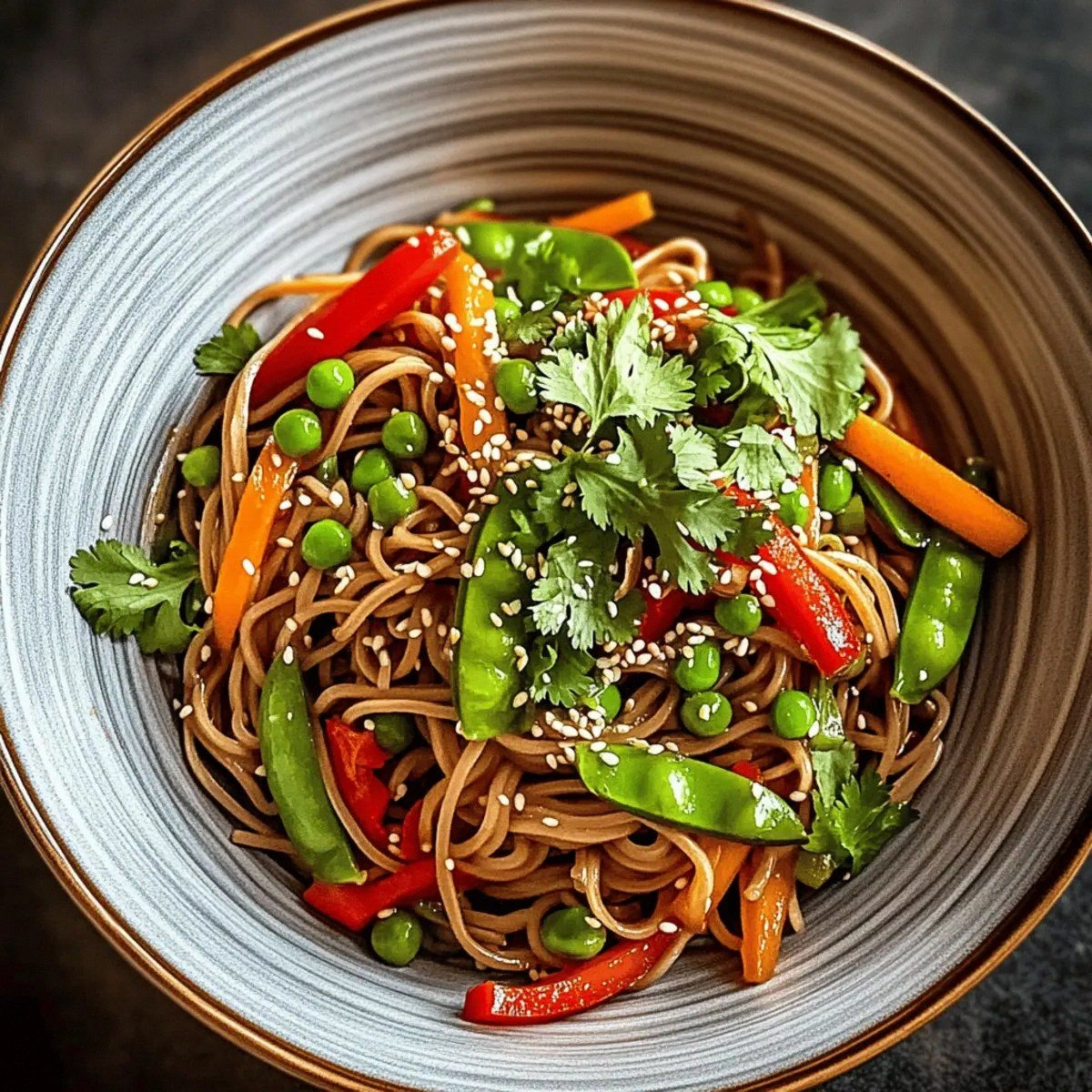
- Time for the confetti: add carrots, bell pepper, snap peas, and half the green onions. Toss gently; you want to distribute, not pulverize. The colors should look like a Tokyo street market at dusk—loud, happy, inviting.
- Drizzle in the sesame oil, sprinkle sesame seeds and cilantro, and give one final lift. Taste a noodle. Need more zip? Splash in a teaspoon of rice vinegar. More sweet? A dab of honey. This is your moment to fine-tune the orchestra.
- Cover the bowl with plastic wrap pressed right onto the surface (prevents fridge odors from hijacking your masterpiece) and chill at least twenty minutes. The flavors meld, the sauce tightens, and when you pull it out you’ll hear angels humming. Serve in chilled bowls, topped with remaining green onions and extra sesame seeds because we’re fancy like that.
That's it—you did it. But hold on, I've got a few more tricks that'll take this to another level...
Insider Tricks for Flawless Results
The Temperature Rule Nobody Follows
Your dressing should be warm when it hits the noodles and absolutely cold by the time it hits the fridge. Warm opens the noodle pores so they drink up sauce; cold tightens the glaze so it adheres instead of puddling. Skip either step and you’ll get either greasy separation or Sahara-dry strands. Trust thermodynamics; it’s been working for millennia.
Why Your Nose Knows Best
When reducing teriyaki, hover about six inches above the pan. When the sharp alcoholic edge of the vinegar burns off and you smell deep caramel with a ginger-pepper lift, you’re done. Over-reduce and it becomes taffy; under-reduce and the salad tastes like watered-down soy puddle. Your schnozz is smarter than any timer app.
The Five-Minute Rest That Changes Everything
After you mix everything, let the bowl sit on the counter five minutes before refrigerating. This equalizes temperatures so the dressing doesn’t seize into a thick shell when it hits the cold veg. A friend tried skipping this once—let’s just say it ended with a solid sesame brick and a very sad spatula.
Knife-Cut Consistency 101
Cut vegetables to roughly match the noodle width—about two-inch matchsticks—so they intertwine instead of sinking. When everything’s the same size, each chopstick grab delivers the perfect ratio of carb, crunch, and color. Uneven chunks mean you’ll end up with a pile of stray peppers at the bottom and nobody wants a segregated salad.
Protein Power Move
If you’re adding cooked chicken, tofu, or shrimp, fold it in only after the salad is fully chilled. Warm proteins will melt the sesame oil and cloud the glossy sheen. Cold keeps the visual wow factor intact and prevents rubbery reheats. Plus, tossing later means the protein stays in proud chunks rather than shredding into tuna-salad sadness.
Creative Twists and Variations
This recipe is a playground. Here are some of my favorite ways to switch things up:
Mango Tango Fusion
Add thin strips of ripe mango and swap cilantro for mint. The tropical sweetness plays off teriyaki like ukulele chords—bright, beachy, impossible not to smile. Perfect for poolside potlucks where you want people to ask for the recipe before they’ve even swallowed.
Sesame-Crusted Tuna Steak Edition
Press ahi tuna into sesame seeds, sear for ninety seconds a side, chill, slice, and fan over the top. The rare tuna’s meaty richness turns the salad into steakhouse fare that still feels virtuous. Serve with cold sake and watch grown adults fight over the last slice with chopsticks like elegant gladiators.
Peanut-Lover’s Detour
Whisk two tablespoons of natural peanut butter into the warm teriyai reduction. You’ll get satay vibes without the grill, plus extra protein that makes this lunchbox-ready. Top with crushed roasted peanuts for double peanut power—because sometimes more is more.
Kimchi Punk Rock
Toss in a handful of chopped kimchi and a teaspoon of its juice. Fermented tang and chili heat punch through the sweetness, creating Korean-Japanese fusion that head-bangs in your mouth. Great for dinners where you need to wake up taste buds that have been lulled to sleep by too many rice cakes.
Coconut-Lime Beach Shack
Replace rice vinegar with lime juice and add two tablespoons of coconut milk to the dressing. Finish with toasted coconut flakes and Thai basil. Suddenly you’re barefoot on a fictional island where deadlines don’t exist and every hour is happy.
Breakfast-for-Lunch Yolkpocalypse
Top each serving with a six-minute egg so the jammy yolk becomes part of the sauce. Break the egg tableside for maximum Insta drama. Breakfast noodles that are socially acceptable at noon? Yes, please.
Storing and Bringing It Back to Life
Fridge Storage
Pack into airtight glass containers (plastic absorbs sesame perfume and makes everything taste like last month’s takeout). It keeps four days, though the colors are brightest within 48 hours. Press plastic wrap directly onto the surface if you’re storing in a bowl to prevent oxygen from browning the veggies.
Freezer Friendly?
Don’t. The high water content in vegetables turns into microscopic daggers that puncture cell walls, so when it thaws you get limp pepper noodles and carrot mush. Make only what you’ll eat in four days; the recipe halves or doubles effortlessly.
Best Refresh Method
If the salad has been camping in the fridge, let it sit at room temp ten minutes so the sesame oil loosens up. Add a tiny splash of rice vinegar and a pinch of fresh sesame seeds, toss like your life depends on it. The acid wakes up dulled flavors and the seeds restore crunch time. Taste and adjust salt; cold dulls seasoning perception, so a whisper more soy might be in order.