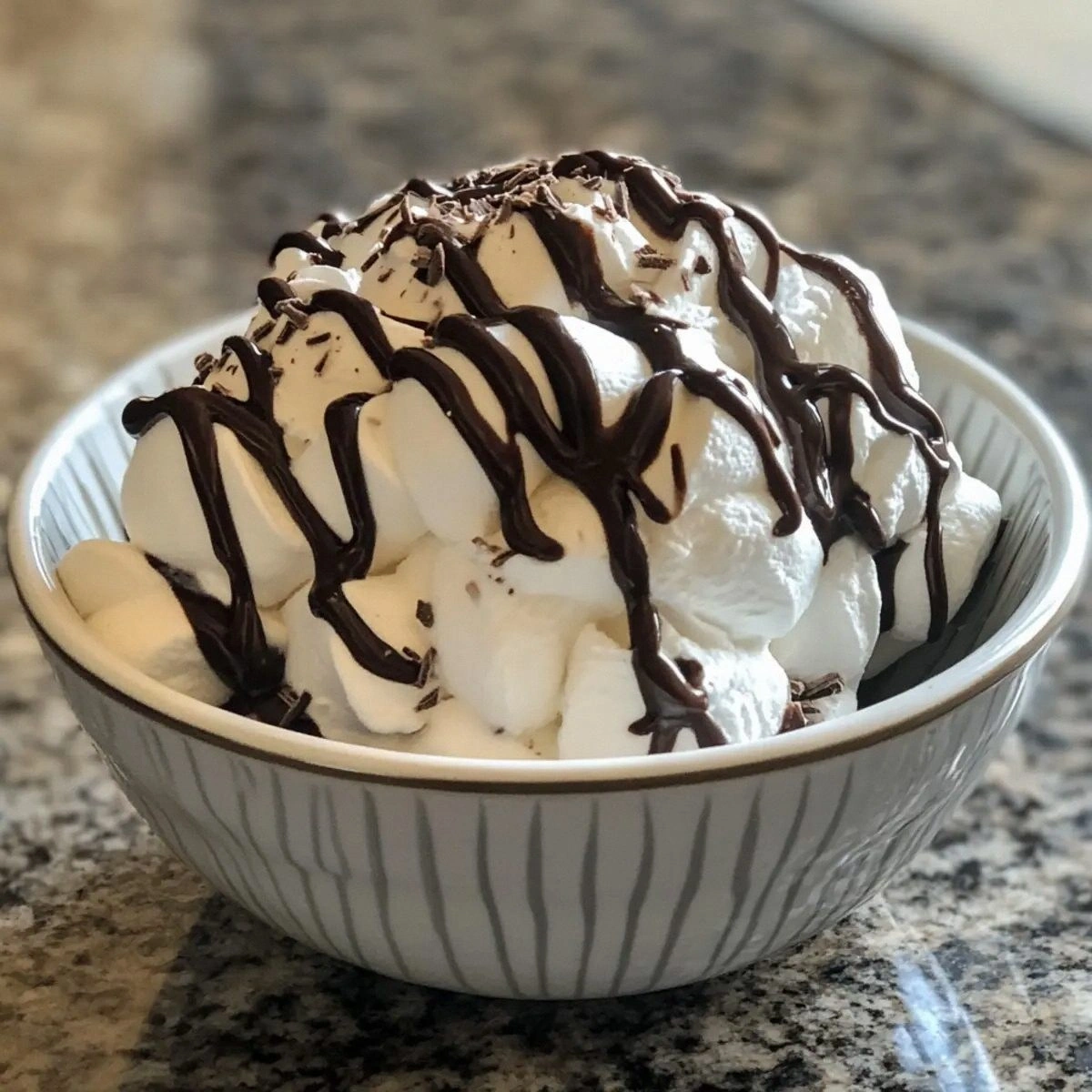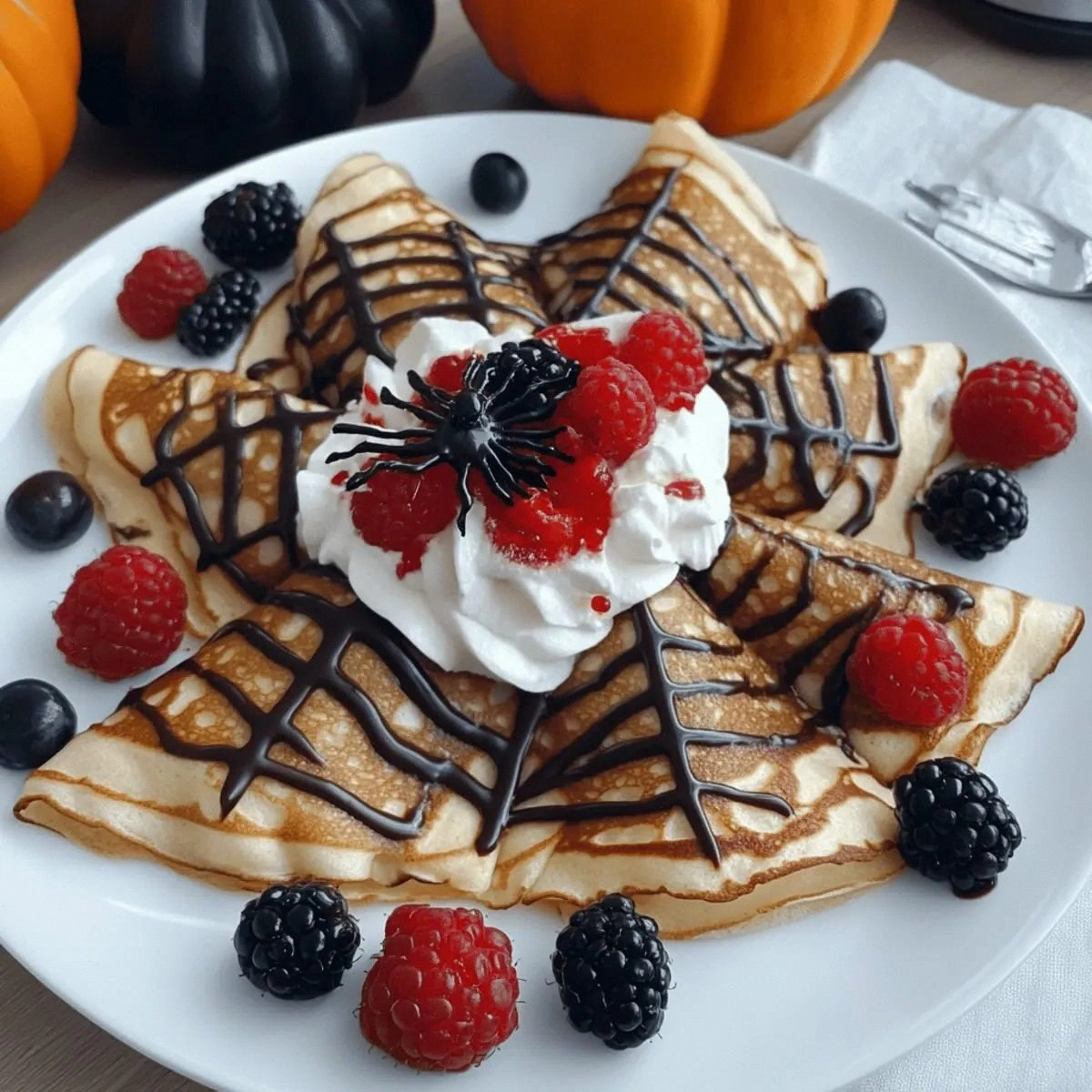
I still remember the night my kitchen turned into a haunted house. I had promised my niece a “spooky snack” for her Halloween party, but my first attempt at a simple pancake turned into a charcoal‑black disaster that could have scared a ghost. The batter clumped, the pan hissed like a banshee, and the result was a sad, rubbery slab that no one wanted to touch. I stared at the mess, feeling the weight of a dozen disappointed kids, and thought, “There has to be a better way.” That moment of culinary dread sparked a fierce determination to create the ultimate Halloween treat that would make even the most skeptical sweet tooth swoon.
Fast forward a few weeks, and I was knee‑deep in flour, eggs, and a secret stash of dark chocolate sauce, experimenting with every variable I could think of. I whisked, I rested, I flipped, and I tasted—often more than I should have admitted. The kitchen filled with the buttery aroma of crepes hitting a hot pan, the faint crackle of caramelizing sugar, and a whisper of vanilla that seemed to echo like a distant wind through a graveyard. My senses were on high alert: the sound of the batter spreading thin as a cobweb, the sight of golden edges curling like tiny tombstones, the feel of the pan’s heat radiating up to my fingertips. When the first perfect spider‑web crepe emerged, I knew I had cracked the code.
What sets this version apart is not just the visual drama of the spiderweb drizzle, but the texture that dances between feather‑light and satisfyingly chewy. The batter is a delicate balance of flour, eggs, and a splash of water that keeps the crepes supple enough to fold without tearing, while the butter adds a glossy sheen that catches the chocolate “spider silk” beautifully. I’ve added a pinch of salt to enhance the sweet notes, and the finishing toppings—whipped cream and fresh berries—bring a bright contrast that feels like a moonlit clearing in a dark forest. Most recipes get this completely wrong, either making the crepes too thick or the chocolate too sweet; I’ve nailed the sweet‑savory equilibrium that makes each bite a little celebration of Halloween mischief.
And here’s the kicker: I’m going to reveal a technique that most home cooks overlook—a brief rest for the batter that lets the gluten relax, resulting in a crepe that slides off the pan like a ghost slipping through a wall. I dare you to taste this and not go back for seconds; the combination of airy texture, silky chocolate, and the playful crunch of berries is downright addictive. Okay, ready for the game‑changer? Let me walk you through every single step — by the end, you’ll wonder how you ever made it any other way.
What Makes This Version Stand Out
- Texture: The batter’s 1‑to‑1 ratio of milk to water creates a whisper‑thin sheet that crisps at the edges while staying tender in the center, delivering a mouthfeel that’s both delicate and satisfying.
- Flavor Balance: A pinch of salt amplifies the sweet chocolate sauce, while the fresh berries cut through the richness with a burst of acidity that feels like a midnight breeze.
- Simplicity: Only seven pantry staples are needed, and the technique requires no fancy equipment—just a non‑stick skillet and a steady hand for the spiderweb drizzle.
- Visual Drama: The spiderweb pattern is achieved by swirling chocolate sauce with a toothpick, creating a hauntingly beautiful design that steals the show at any Halloween spread.
- Crowd Reaction: Guests can’t help but gasp when they see the crepes, and the first bite often triggers an involuntary “ooh” that turns into enthusiastic “more!”
- Make‑Ahead Potential: The batter can be prepared a day ahead, and the crepes freeze beautifully, making party prep a breeze.
- Ingredient Quality: Using real melted butter instead of oil gives a richer flavor and a glossy finish that cheap substitutes simply can’t match.
- Versatility: While the default topping is chocolate, whipped cream, and berries, the base is sturdy enough for savory twists if you ever want to flip the script.
Inside the Ingredient List
The Flavor Base
The cornerstone of any great crepe is the flour‑egg‑liquid trio. 1 cup all‑purpose flour provides the structural framework, creating a delicate network that traps air bubbles for that airy lift. If you skip the flour or use a low‑protein alternative, the crepes will either fall apart or turn dense like a brick. 2 large eggs act as emulsifiers, binding the liquid and dry components while adding richness; using fewer eggs can make the batter too watery, while extra eggs will weigh it down. For the liquids, 1/2 cup milk and 1/2 cup water create a perfect balance—milk adds creaminess, water keeps the batter light. If you’re dairy‑free, swap the milk for almond or oat milk, but keep the water ratio the same to maintain texture.
The Texture Crew
1/4 teaspoon salt might seem insignificant, but it’s a flavor enhancer that makes the chocolate sauce pop and the berries shine. A pinch less and the sweet notes become flat; a pinch more and you risk a salty bite. 2 tablespoons melted butter are folded in after whisking the dry and wet ingredients; this step adds a glossy sheen and a subtle buttery aroma that clings to the crepe like a ghostly veil. If you prefer a lighter version, you can use a high‑quality vegetable oil, but you’ll lose the depth that butter provides.
The Unexpected Star
Chocolate sauce is the spider silk that ties the whole Halloween narrative together. Use a high‑quality dark chocolate sauce with at least 60% cacao for a bittersweet edge that cuts through the sweetness of the whipped cream. If you drizzle too much, the crepes become soggy; the secret is a thin, deliberate line that you can later swirl into a web. Whipped cream adds a cloud‑like softness that balances the richness of the chocolate, and a dollop on each crepe feels like a little haunted mound. Finally, fresh berries—preferably a mix of raspberries and blackberries—bring a tart pop and a burst of color reminiscent of little blood‑red eyes peering from the darkness.
The Final Flourish
All these components come together in a symphony of flavors that dance on the palate. The key is timing: the batter must be rested, the pan pre‑heated, and the toppings prepared in advance so you can assemble each crepe swiftly. If any ingredient is missing, the final result loses its haunting charm. For instance, skipping the butter will make the crepes dry, while omitting the salt will mute the chocolate’s depth. Choose the freshest berries you can find, because their natural acidity is what prevents the dessert from becoming cloyingly sweet.
Everything's prepped? Good. Let's get into the real action...
The Method — Step by Step
Gather all your ingredients and whisk the dry components—flour, salt, and a pinch of sugar if you like a subtle sweetness—into a large bowl. This ensures even distribution and prevents lumps. I like to sift the flour; it adds air, which translates into lighter crepes. Let the bowl sit for a minute while you pre‑heat the skillet; this short pause lets the flour settle, a tiny trick that makes a big difference.
In a separate bowl, beat the two large eggs until they turn a pale yellow, then whisk in the milk and water. The liquid should be smooth and slightly frothy—think of a gentle wave rather than a storm. Add the melted butter slowly while whisking, creating an emulsion that will coat the pan like a silk sheet. That sizzle when it hits the pan? Absolute perfection.
Combine the wet and dry mixtures, stirring just until the batter is smooth. A few tiny lumps are okay; over‑mixing will develop gluten and make the crepes tough. Cover the bowl with plastic wrap and let it rest for 30 minutes at room temperature.
Kitchen Hack: Resting the batter also allows any air bubbles to rise, giving you a more uniform surface when you pour it into the pan.Heat a non‑stick 8‑inch skillet over medium‑high heat and brush lightly with melted butter. The pan is ready when a few drops of water dance and evaporate within two seconds. Pour a ladleful (about ¼ cup) of batter, tilting the pan in a circular motion to spread it into a thin, even layer. You’ll hear a gentle sizzle as the batter meets the hot surface—listen for that sound; it tells you the pan is at the right temperature.
Cook the crepe for 1–2 minutes, watching the edges turn opaque and start to pull away from the pan. When the surface is set and the underside is a light golden brown, flip it with a thin spatula. This is the moment of truth—if the crepe tears, the batter was too thin or the pan wasn’t hot enough. Cook the other side for another 30 seconds, then slide the crepe onto a warm plate.
Repeat the process with the remaining batter, stacking the crepes on a plate lined with parchment. Keep them covered with foil to stay warm and pliable. If you notice the batter thickening as you go, stir in a splash of water to restore its fluidity; this prevents the crepes from becoming stiff.
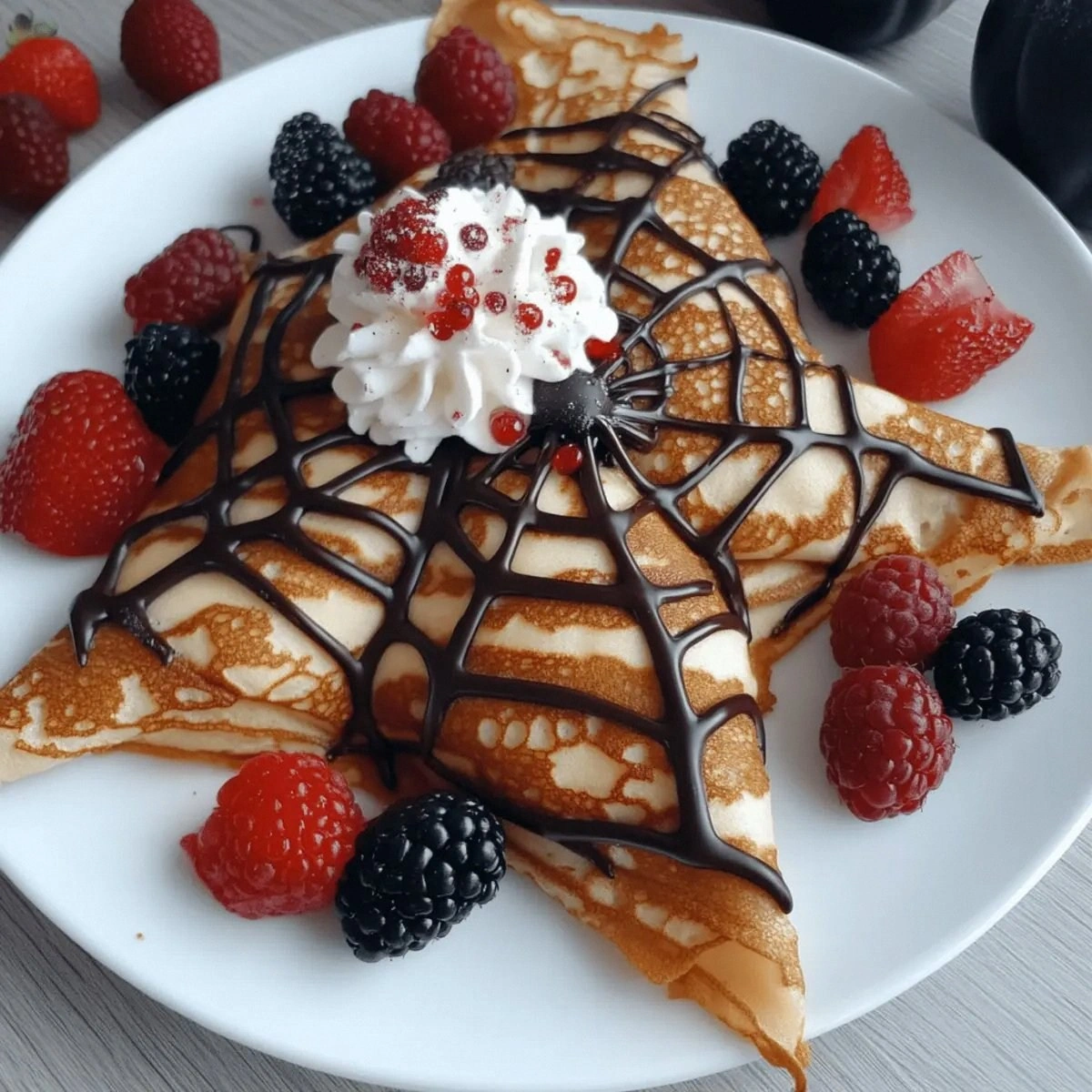
Now for the spooky art: drizzle a thin line of chocolate sauce down the center of each crepe using a squeeze bottle or a spoon. Take a clean toothpick and drag it from the center outward in quick, erratic motions to create a web‑like pattern.
Watch Out: Too much chocolate will soak into the crepe and make it soggy; aim for a delicate thread, not a river.Top each crepe with a generous dollop of whipped cream, then scatter fresh berries over the surface. The berries should be placed strategically to mimic tiny eyes peering from the darkness, adding both visual intrigue and a burst of tartness. Serve the crepes immediately while the chocolate is still glossy and the whipped cream is airy. I’ll be honest — I ate half the batch before anyone else got to try it.
That's it — you did it. But hold on, I've got a few more tricks that'll take this to another level...
Insider Tricks for Flawless Results
The Temperature Rule Nobody Follows
Most home cooks set the stove to “medium” and hope for the best, but the exact temperature is crucial. A pan that’s too hot will scorch the batter before it spreads, while a pan that’s too cool will produce soggy crepes that stick. Use an infrared thermometer or the “hand hover” test: hold your hand 2 inches above the surface; you should feel a steady, comfortable warmth, not a searing heat. This precise control ensures each crepe cooks evenly, giving you that coveted edge‑to‑center color gradient.
Why Your Nose Knows Best
Your sense of smell is a hidden ally in the kitchen. When the batter first hits the pan, you’ll notice a faint buttery aroma that deepens into a nutty, toasted scent as the crepe cooks. If you catch a hint of burnt sugar before the edges lift, lower the heat immediately. Trusting your nose prevents overcooking and keeps the flavor profile pure.
The 5‑Minute Rest That Changes Everything
Letting the batter rest for at least half an hour is a game‑changer. During this time, the flour fully hydrates, and any bubbles rise to the surface, creating a smoother, more elastic batter. I once skipped this step in a rush, and the crepes turned out dense and rubbery—definitely not the ethereal texture we’re after. Set a timer, pour a glass of pumpkin spice latte, and come back to a batter that spreads like a silk sheet.
The Silent Flip
Flipping the crepe can feel like a circus act, but the secret is a gentle, confident motion. Use a thin, flexible spatula, slide it under the crepe fully, and give a quick, upward flick. If you hesitate, the crepe may tear; if you over‑flip, the chocolate pattern can smear. Practice on a single crepe, then the rest will follow like a well‑rehearsed dance.
Butter Brush Mastery
A light brush of melted butter before each crepe prevents sticking and adds a glossy finish. Too much butter makes the crepes greasy; too little causes them to cling. Keep a small bowl of butter handy and use a silicone brush for even coverage.
Creative Twists and Variations
This recipe is a playground. Here are some of my favorite ways to switch things up:
Spooky Nutella Swirl
Replace the dark chocolate sauce with a generous swirl of Nutella. The hazelnut undertones add depth, and the lighter color creates a ghostly, misty effect when you drag the toothpick. Kids love the familiar taste, and adults appreciate the subtle nutty finish.
Pumpkin Spice Surprise
Add a teaspoon of pumpkin spice to the batter for a warm, autumnal twist. Pair it with caramel sauce instead of chocolate, and garnish with a dusting of cinnamon. This variation is perfect for early October gatherings when pumpkins are still in season.
Savory Midnight
Swap the sweet toppings for a savory version: spread a thin layer of goat cheese, top with caramelized onions, and drizzle a balsamic reduction in a spider‑web pattern. The contrast of tangy cheese and sweet onion creates a flavor that’s both haunting and comforting.
Berry‑Blast Explosion
Mix fresh strawberries, blueberries, and blackberries into the batter before cooking. The fruit pieces burst as the crepe cooks, leaving speckles of color and a natural sweetness that reduces the need for additional sauce.
Chocolate‑Mint Chill
Add a few drops of peppermint extract to the chocolate sauce for a refreshing cool aftertaste. Top with crushed peppermint candies for a festive crunch that feels like walking through a frosty graveyard.
Storing and Bringing It Back to Life
Fridge Storage
Place cooled crepes in an airtight container, separating each layer with parchment paper to prevent sticking. They keep fresh for up to three days. When ready to serve, warm them gently in a skillet over low heat, adding a splash of water to the pan; the steam will revive the delicate texture.
Freezer Friendly
Stack crepes with wax paper between each, then place the stack in a freezer‑safe zip‑lock bag. They freeze solid for up to two months. To reheat, microwave for 30 seconds, then finish in a hot skillet for a crisp edge. The added water trick works here too—just a teaspoon before reheating keeps them from drying out.
Best Reheating Method
For the ultimate comeback, use a preheated non‑stick pan over medium heat. Add a tiny splash (about a teaspoon) of water, cover the pan for 20 seconds, then uncover and let the crepe crisp for another 10 seconds. This method restores the original fluffiness while giving the edges a fresh, toasty bite.