I was standing in my kitchen, the smoke alarm blaring because I’d over‑cooked a batch of frozen meatballs, and a friend shouted, “If you can’t make a decent meatball, you’re not eating Mediterranean food!” I laughed, wiped the grease off my hands, and made a daring promise: I would create a chicken meatball that would make even the most skeptical aunt gasp, “This is hands down the best version you’ll ever make at home.” The challenge was set, the stakes were high, and the kitchen was alive with the clatter of pans and the sizzle of ambition. I dove into my pantry, grabbed the freshest herbs, and let my imagination run wild, because I knew the only thing that could save me from that smoky disaster was a dish that sang with flavor and texture.
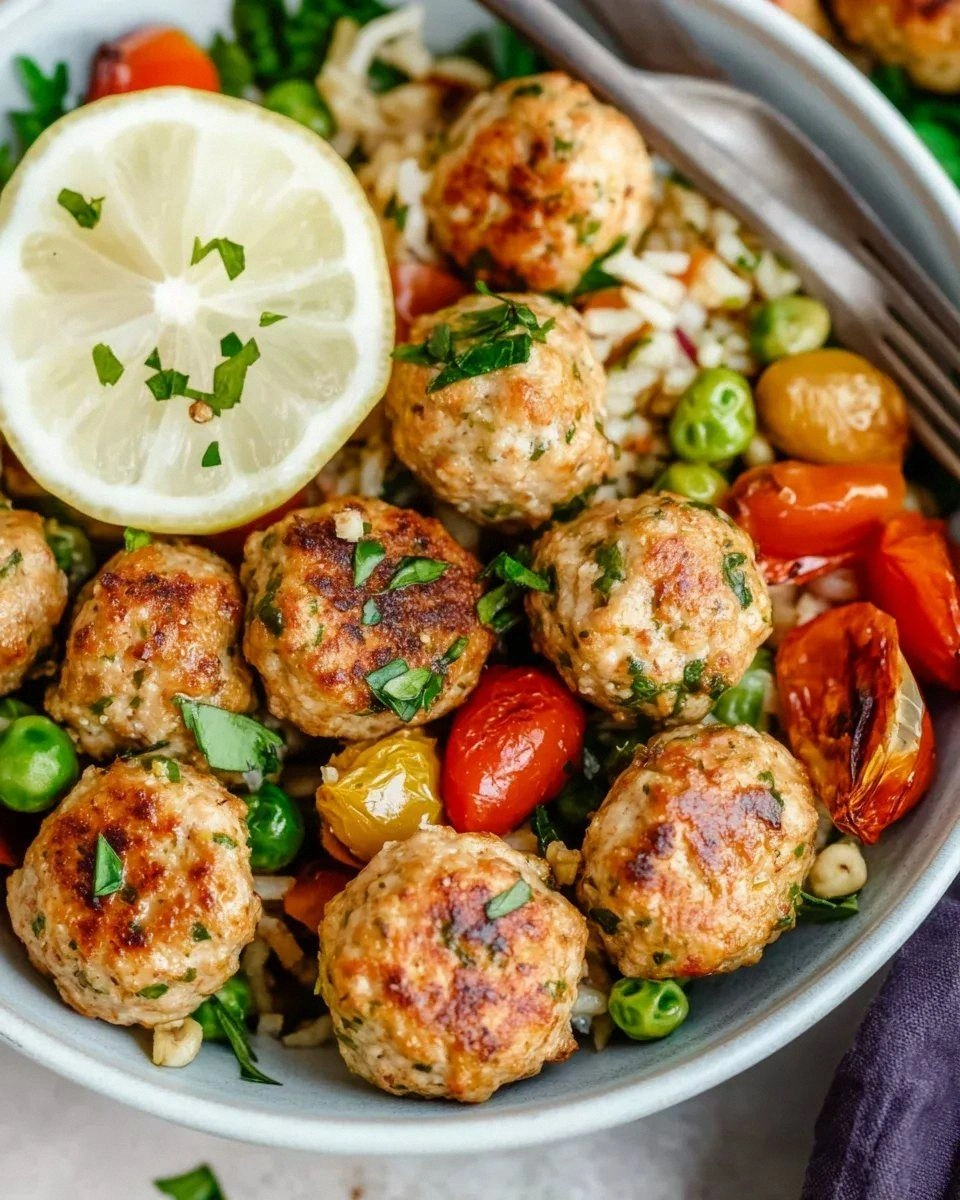
Picture this: a golden‑brown sphere, crisp on the outside, tender and juicy inside, studded with crumbled feta and sun‑dried tomatoes that burst like tiny fireworks of umami. The aroma of cumin and coriander dances with fresh mint and parsley, while a cool, garlicky Greek yogurt sauce drapes over each bite like a silky Mediterranean shawl. When you bite in, the crunch of breadcrumbs gives way to a melt‑in‑your‑mouth chicken base, and the tangy feta adds that perfect salty punch that makes your taste buds do a little happy dance. The sauce, cool and herbaceous, balances the heat of the spices, and the whole plate feels like a sun‑kissed seaside tavern on a plate.
Most recipes get this completely wrong. They either drown the meat in breadcrumbs, use bland chicken breast, or forget the crucial herb combo that makes Mediterranean cooking sing. I’ve tried dozens of variations, and each time something felt off—either the meatballs were dry, the flavors clashed, or the sauce was too watery. That’s why this version stands out: it respects the delicate balance of herbs, uses thigh meat for juiciness, and incorporates a yogurt‑dill sauce that isn’t just an afterthought but a core component of the experience. I’ll be honest — I ate half the batch before anyone else got to try it, and that’s a confession I’m not ashamed to make.
Now, I’m about to walk you through every single step — by the end, you’ll wonder how you ever made it any other way. Okay, ready for the game‑changer? This next part? Pure magic. Stay with me here — this is worth it.
What Makes This Version Stand Out
- Flavor Explosion: The blend of cumin, coriander, and oregano creates a warm, earthy backbone that’s instantly recognizable as Mediterranean, while the fresh mint adds a surprising pop of brightness.
- Juicy Texture: Using ground chicken thigh ensures each bite stays moist, and the breadcrumbs are just enough to bind without turning the mixture into a dense loaf.
- Herb Symphony: Parsley, mint, and dill aren’t just garnish—they’re woven into the meat and the sauce, giving every mouthful layers of green‑herb perfume.
- Feta & Sun‑Dried Tomatoes: Crumbled feta introduces a salty creaminess, while sun‑dried tomatoes deliver concentrated sweetness that offsets the spices.
- Versatile Sauce: The Greek yogurt‑cucumber dip isn’t just a side; it’s a cooling counterpoint that keeps the dish balanced and makes it perfect for any season.
- Easy Prep: All ingredients are pantry‑friendly, and the steps are straightforward, meaning even a kitchen rookie can nail it without a culinary degree.
- Crowd‑Pleaser: Whether you’re feeding a family dinner or a potluck, these meatballs disappear fast— I dare you to taste this and not go back for seconds.
- Make‑Ahead Friendly: You can shape, freeze, and fry them later, or keep the sauce ready in the fridge for a quick assembly on a busy night.
Inside the Ingredient List
The Flavor Base
Ground chicken is the heart of this dish, and I insist on using thigh meat because its higher fat content keeps the meatballs moist and tender. If you opt for breast meat, you’ll need to add an extra tablespoon of olive oil or a splash of water to prevent dryness. The garlic, both minced in the meat and in the sauce, provides that unmistakable aromatic punch that makes you think of sun‑drenched markets. Red onion adds a subtle sweetness that balances the acidity of the sun‑dried tomatoes, and the cumin and coriander bring a warm, earthy depth that feels like a hug from the Mediterranean coast.
The Texture Crew
Breadcrumbs act as the silent hero, soaking up any excess moisture while giving the meatballs a gentle bite. I recommend panko for a lighter, airier texture, but regular breadcrumbs work just as well if that’s what you have on hand. The egg binds everything together, creating a cohesive mixture that doesn’t fall apart during frying. Crumbled feta introduces a creamy, salty crumb that melts just enough to coat the interior with its tangy flavor.
The Unexpected Star
Sun‑dried tomatoes might seem like a garnish, but they’re the secret weapon that adds concentrated sweetness and a chewy texture that contrasts beautifully with the soft chicken. Their oil‑packed nature also contributes a subtle richness, so be sure to drain them well to avoid excess greasiness. Fresh mint, though often overlooked, brings a cooling note that lifts the spice profile, making each bite feel fresh and bright. Finally, the Greek yogurt sauce, with cucumber and dill, is the perfect companion—its creaminess tempers the spice while adding a crisp, garden‑fresh finish.
The Final Flourish
Olive oil is used twice: a couple of tablespoons for frying the meatballs to achieve that golden crust, and a drizzle in the sauce to enrich its texture. The dill in the sauce adds an anise‑like freshness that complements the cucumber’s cool crunch. Lemon juice brightens the entire dish, cutting through the richness and ensuring each bite feels balanced. A pinch of salt and pepper in both the meat and the sauce is essential; they amplify all the other flavors without overwhelming them.
Everything's prepped? Good. Let’s get into the real action…
The Method — Step by Step
First, combine the ground chicken, breadcrumbs, and the large egg in a large mixing bowl. Use your hands—yes, get a little messy—to blend everything together until the mixture is just combined; over‑mixing will make the meatballs tough. Add the minced garlic, finely chopped red onion, parsley, mint, and the crumbled feta. At this point, the mixture should look speckled with green and white, smelling fragrant and inviting. Power transition: Okay, ready for the game‑changer?
Now sprinkle in the ground cumin, coriander, dried oregano, salt, and black pepper. These spices are the backbone of the Mediterranean flavor profile, so make sure they’re evenly distributed. Give the mixture another gentle fold, feeling the herbs coat each morsel. That sizzle when it hits the pan? Absolute perfection.
Kitchen Hack: Chill the mixture for 15 minutes; it makes the meatballs easier to shape and helps the flavors meld.While the mixture rests, prepare the sauce. In a separate bowl, combine the Greek yogurt, grated cucumber (squeeze out excess water), minced garlic, fresh dill, lemon juice, olive oil, salt, and black pepper. Stir until smooth; the sauce should be thick yet pourable. Taste and adjust seasoning—remember, the sauce should be bright and tangy, not overly salty. Cover and refrigerate; the flavors will deepen as the meatballs cook.
Watch Out: When shaping the meatballs, avoid making them too large; a 1‑inch diameter is ideal for even cooking. If they’re too big, the exterior will burn before the interior is fully cooked, and you’ll lose that coveted juicy center. Roll each portion between your palms, lightly dusting your hands with a bit of flour or breadcrumbs to prevent sticking. Place the formed balls on a tray lined with parchment paper.
Heat a large skillet over medium‑high heat and add the 2 tablespoons of olive oil. When the oil shimmers—like a mirror catching the sun—gently lay the meatballs in a single layer, giving each enough space to breathe. Let them sear undisturbed for about 2‑3 minutes; you’ll hear a faint crackle that signals a golden crust forming.
Turn the meatballs using tongs, allowing each side to brown evenly. After the first flip, reduce the heat to medium‑low and cover the pan with a lid. This traps steam, ensuring the interior cooks through without drying out. Cook for an additional 6‑8 minutes, or until a meat thermometer inserted into the center reads 165 °F (74 °C).
Watch Out: If you overcrowd the pan, the meatballs will steam rather than fry, losing that coveted crispness.Once cooked, transfer the meatballs to a paper‑towel‑lined plate to absorb any excess oil. This step keeps them crisp and prevents sogginess. While they rest for a couple of minutes, the residual heat continues to finish cooking the interior, and the juices redistribute, making each bite succulent.
Now, the final assembly: arrange the meatballs on a serving platter, drizzle generously with the chilled yogurt‑cucumber sauce, and garnish with a sprinkle of extra dill and a few crumbled feta pieces for visual flair. The contrast of warm meatballs against the cool, creamy sauce creates a visual and textural duet that’s irresistible.
Serve immediately with warm pita, a simple salad, or even over a bed of couscous. Picture yourself pulling this out of the skillet, the whole kitchen smelling incredible, and the first bite delivering a chorus of flavors that makes you think, “I dare you to eat just one.” That’s it — you did it. But hold on, I’ve got a few more tricks that’ll take this to another level…
Insider Tricks for Flawless Results
The Temperature Rule Nobody Follows
Most home cooks crank the heat up, hoping to get a quick crust, but that’s a recipe for uneven cooking. Keep the pan at medium‑high for the initial sear, then drop to medium‑low to finish. This gradual temperature shift ensures the exterior caramelizes while the interior stays juicy. I once tried the “high‑heat all the way” method and ended up with burnt outsides and raw centers—trust me, the lesson stuck.
Why Your Nose Knows Best
Your sense of smell is the ultimate timer. When the meatballs start to smell toasty and you hear that faint pop as the crust forms, you’re close to flipping. If you’re unsure, lift one gently; the underside should be a deep golden‑brown, not just tan. This sensory checkpoint beats any timer because it adapts to your stove’s quirks.
The 5‑Minute Rest That Changes Everything
After frying, let the meatballs sit for five minutes. This short rest lets the juices settle, preventing them from spilling out when you bite in. It’s the same principle bakers use for bread—rest equals flavor retention. Skipping this step leads to a dry mouthfeel, which is the exact opposite of what we want.
Sauce Timing Trick
Mix the yogurt sauce right after the meatballs are done, while the skillet is still warm. The residual heat gently thins the sauce, making it spreadable without losing its coolness. If you chill the sauce too long, it can become stiff; a quick stir with a warm spoon solves that.
Freezer‑Friendly Formulation
If you want to make a big batch, shape the raw meatballs, flash‑freeze them on a tray, then transfer to a zip‑top bag. When you’re ready to serve, pop them straight into a hot skillet—no thawing needed. The texture stays as crisp as fresh‑made, and the flavor is locked in.
Creative Twists and Variations
This recipe is a playground. Here are some of my favorite ways to switch things up:
Spicy Harissa Kick
Swap half the cumin for harissa paste and add a dash of smoked paprika. The result is a smoky, fiery version that pairs beautifully with a cooling tzatziki. Perfect for those who love a little heat.
Lemon‑Zaatar Fusion
Replace the mint with za’atar and add a zestier lemon juice in the sauce. Zaatar brings a nutty, thyme‑laden flavor that makes the meatballs taste like a Levantine brunch. Serve with flatbread for a Mediterranean tapas feel.
Cheese‑Stuffed Surprise
Take a small piece of mozzarella or halloumi, embed it in the center of each meatball before cooking. As they fry, the cheese melts into a gooey core, turning each bite into a molten surprise. It’s a crowd‑pleaser that adds a decadent twist.
Veggie‑Boosted Version
Finely grate a carrot and a zucchini into the meat mixture, and reduce the breadcrumbs slightly. The extra veggies add moisture, a subtle sweetness, and a splash of color without compromising the classic flavor profile.
Herb‑Infused Oil Drizzle
After plating, drizzle a warm herb‑infused olive oil (olive oil + thyme + rosemary, heated gently) over the meatballs. This adds an aromatic finish that elevates the dish from home‑cooked to restaurant‑style.
Storing and Bringing It Back to Life
Fridge Storage
Place cooled meatballs in an airtight container, layered with a thin sheet of parchment between layers to prevent sticking. They’ll stay fresh for up to 4 days. Keep the yogurt sauce in a separate sealed jar; it lasts a week in the refrigerator.
Freezer Friendly
Freeze raw or cooked meatballs on a tray, then transfer to a freezer bag. They keep for up to 3 months. When reheating, add a splash of water or broth to the pan; the steam revives the crisp exterior while keeping the interior juicy.
Best Reheating Method
For the best texture, reheat in a hot skillet with a drizzle of olive oil over medium heat, covering for the first two minutes to steam the interior, then uncover to crisp the outside. If you’re in a rush, the microwave works, but you’ll lose that golden crust.