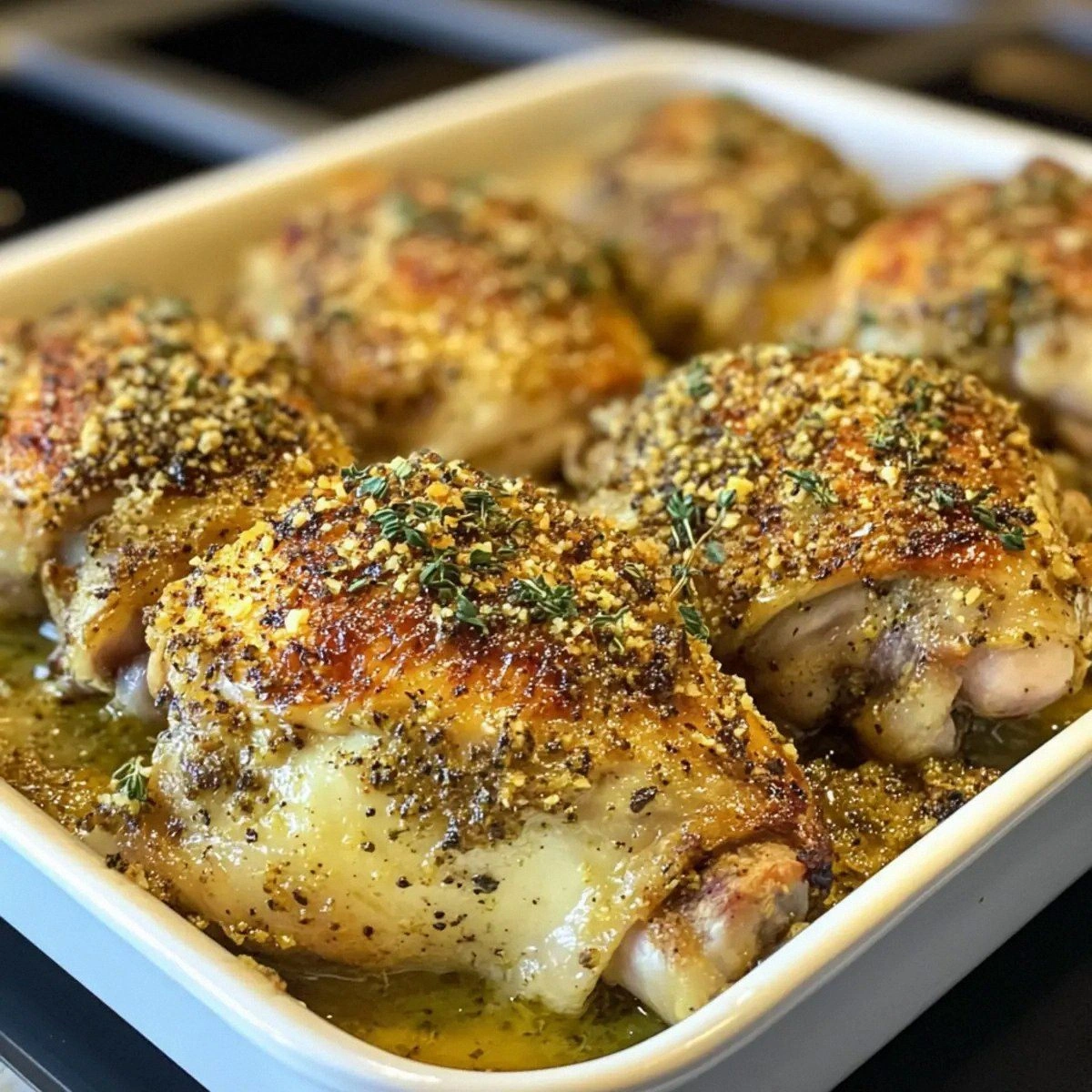
I was standing in my kitchen, staring at a pan of chicken that looked like it had been through a war zone, when my roommate dared me to make something that would make even the most skeptical foodie say, “Okay, that’s actually amazing.” I accepted the challenge, grabbed a jar of Dijon mustard that had been sitting on the counter for weeks, and set out to prove that a simple roast could become the star of any dinner table. The moment the mustard hit the chicken, a fragrant cloud rose, and I swear the whole apartment inhaled a sigh of relief—like the scent of a fresh rainstorm after a long, dry summer. The first bite was a revelation: the skin crackled like autumn leaves underfoot, while the meat stayed so juicy it practically sang a lullaby to my taste buds.
If you’ve ever wrestled with dry, bland chicken that tastes like cardboard, you know the frustration all too well. Most recipes either drown the bird in sauce or leave it as dry as a desert road, and you end up with a plate that looks good but feels like a punishment to eat. This version, however, is the antidote: a mustard‑infused crust that locks in moisture, a buttery buttermilk bath that tenderizes, and a breadcrumb coating that adds a crunch you can hear from across the room. I’ll be honest — I ate half the batch before anyone else got a chance to try it, and that’s because the flavor is that addictive. The secret? A splash of lemon zest that brightens everything, and a dash of thyme that whispers of garden freshness.
Most recipes get the balance of tang and richness completely wrong. They either go overboard with mustard, turning the dish into a pungent punch, or they forget the crucial step of letting the chicken rest, resulting in a texture that’s more rubber than roast. Here’s what actually works: a quick marination in buttermilk that softens the fibers, a generous coating of Dijon that adheres to the breadcrumbs, and a high‑heat roast that creates that coveted caramelized edge. The technique is so simple that even a kitchen rookie can nail it, yet the result feels like something you’d order at a five‑star bistro. Picture yourself pulling this out of the oven, the whole kitchen smelling incredible, and the golden crust glistening like a sunrise over a calm sea.
Okay, ready for the game‑changer? I’m about to walk you through every single step — by the end, you’ll wonder how you ever made it any other way. Stay with me here — this is worth it. I dare you to taste this and not go back for seconds. Let’s dive in and turn a humble chicken dinner into a legendary feast.
What Makes This Version Stand Out
- Taste: The Dijon mustard delivers a sharp, sophisticated tang that cuts through the richness of the chicken, while the lemon zest adds a bright pop that lifts the entire flavor profile.
- Texture: A crunchy breadcrumb crust gives way to melt‑in‑your‑mouth meat, creating a contrast that’s as satisfying as biting into a perfectly toasted crostini.
- Simplicity: Fewer than ten ingredients, a single pan, and a 45‑minute timeline make this recipe approachable for any home cook, even on a busy weeknight.
- Uniqueness: The buttermilk soak is the secret weapon that most other mustard chicken recipes skip, ensuring the meat stays juicy and tender.
- Crowd Reaction: Guests often claim they’ve never tasted chicken this good, and the dish becomes the centerpiece of conversation at dinner parties.
- Ingredient Quality: Using a high‑quality Dijon and fresh herbs elevates the dish from ordinary to restaurant‑level without breaking the bank.
- Cooking Method: Roasting at a high temperature creates caramelization, while the gentle heat of the buttermilk bath prevents drying.
- Make‑Ahead Potential: You can prep the coating and marinate the chicken a day ahead, making the final assembly a breeze.
Inside the Ingredient List
The Flavor Base
Dijon mustard is the heart of this dish. Its smooth, slightly spicy profile penetrates the chicken, creating layers of flavor that develop as the roast cooks. If you skip it, you lose that signature tang that makes the crust sing. A good substitute is whole‑grain mustard, though you’ll trade a bit of silkiness for texture. When buying, look for a jar with a creamy consistency and a bright golden color—this indicates a higher mustard seed content and less added sugar.
The Texture Crew
Fresh bread crumbs provide that satisfying crunch, while the buttermilk bath ensures the meat stays tender. The crumbs absorb a hint of the mustard, creating a unified coating that clings perfectly. If you’re out of fresh breadcrumbs, you can pulse day‑old bread in a food processor, but avoid pre‑toasted crumbs as they’ll burn faster. The buttermilk’s acidity breaks down proteins, acting like a gentle tenderizer; you could use plain yogurt as a swap, but the flavor will shift slightly toward the tangy side.
The Unexpected Star
Lemon zest is the surprise element that brightens the whole dish. It adds a citrusy aroma that cuts through the richness of the chicken and mustard, making each bite feel fresh. If you don’t have a microplane, a fine grater works, but be careful not to include the bitter white pith. Fresh zest beats bottled lemon extract because it carries essential oils that are impossible to replicate synthetically.
The Final Flourish
Garlic, thyme, salt, and pepper are the classic aromatics that round out the flavor profile. Garlic brings depth, thyme adds an earthy herbaceous note, and the salt‑pepper combo seasons the meat from the inside out. If you’re allergic to garlic, a pinch of asafoetida can mimic its umami without the bite. Fresh thyme is preferable because its leaves lift off the stem easily, but dried thyme works in a pinch—just use half the amount.
Everything's prepped? Good. Let's get into the real action…
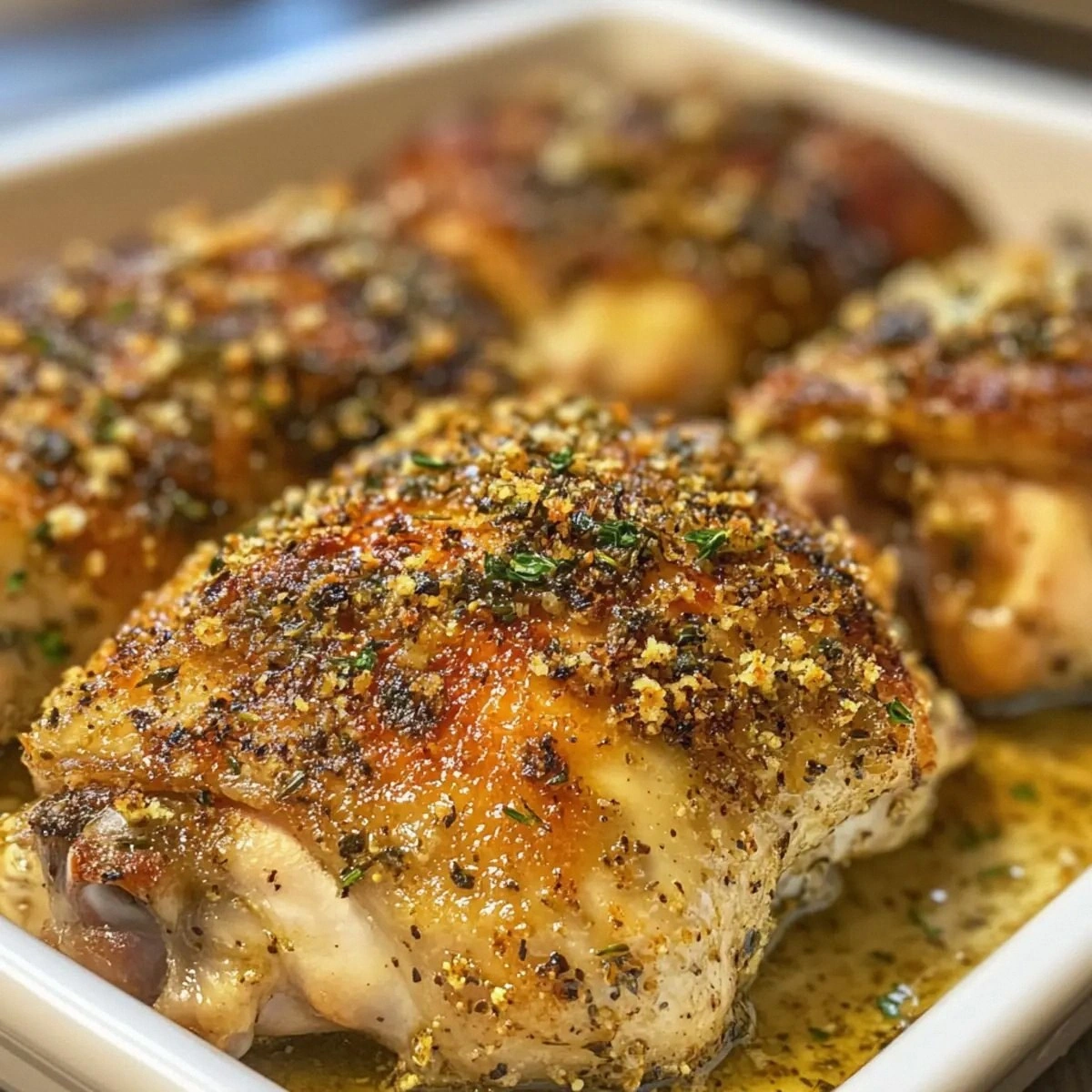
The Method — Step by Step
First, gather your chicken pieces—four thighs or drumsticks work best because they have enough skin to crisp up while staying juicy. Pat them dry with paper towels; moisture on the surface will steam the skin and prevent that coveted crackle. I dare you to skip this step and see how the texture suffers. The kitchen will fill with a faint sizzle as the meat meets the dry pan, a sound that promises a golden crust.
Next, whisk together the buttermilk, half of the Dijon mustard, and the minced garlic in a large bowl. Submerge the chicken, making sure each piece is fully coated. Let it marinate for at least 30 minutes, or up to 4 hours if you have time. This is the moment of truth: the acidity will start breaking down the muscle fibers, ensuring every bite stays tender.
Kitchen Hack: If you’re short on time, place the marinating chicken in a zip‑top bag and refrigerate; the bag conforms to the shape, ensuring even coverage.While the chicken marinates, prepare the breadcrumb mixture. In a shallow dish, combine the fresh breadcrumbs, the remaining Dijon mustard, lemon zest, thyme, salt, and pepper. Toss until every crumb is glossy with mustard and speckled with zest. This coating will form a crust that shatters like thin ice when you bite into it.
Preheat your oven to 425°F (220°C). This high heat is essential for that initial burst of caramelization. Meanwhile, line a baking sheet with parchment or a silicone mat; this prevents sticking and makes cleanup a breeze.
Remove the chicken from the buttermilk bath, letting excess drip off. Dredge each piece in the breadcrumb mixture, pressing gently so the coating adheres. The crust should cling like a second skin, not fall off when you lift the piece. Place the coated chicken on the prepared sheet, spacing them evenly to allow air circulation.
Slide the tray into the oven and roast for 20 minutes. At the 20‑minute mark, flip each piece to ensure an even golden color on both sides. This is where the magic happens: the heat will cause the mustard to caramelize, creating a deep, amber hue that smells like a forest after rain.
Watch Out: Do not open the oven door too often; each opening drops the temperature and can lead to uneven browning.Continue roasting for another 10‑12 minutes, or until the internal temperature reaches 165°F (74°C) at the thickest part. The skin should be crisp, and the meat should feel springy to the touch. If you press a fork into the meat and it slides in with little resistance, you’ve hit the perfect doneness.
Remove the chicken from the oven and let it rest on a cutting board for five minutes. This resting period allows the juices to redistribute, preventing a dry bite. While the chicken rests, the crust will firm up a touch more, giving you that satisfying snap with each bite.
Slice, serve, and watch your guests' eyes widen. The aroma that still lingers on the plate is a testament to the layers of flavor you just built. Pair it with roasted veggies or a simple green salad, and you’ve got a dinner that feels both comforting and sophisticated. And now the fun part—dig in and savor every juicy, mustard‑kissed bite.
Insider Tricks for Flawless Results
The Temperature Rule Nobody Follows
Most home cooks set the oven to 375°F and wonder why the crust never gets that deep caramel color. The secret is to start hot—425°F guarantees that initial sear, locking in juices before the meat has a chance to dry out. If you’re using a convection oven, lower the temperature by 25°F to avoid over‑browning. I once tried a lower temperature out of “caution” and ended up with soggy skin; lesson learned, never compromise the heat.
Why Your Nose Knows Best
Your sense of smell is a reliable indicator of doneness. When the mustard‑bread crumb mixture starts to smell nutty and slightly sweet, you’re nearing the perfect caramelization point. If you catch a faint burnt scent, pull the tray out immediately—over‑roasted mustard turns bitter, ruining the balance. Trust that aromatic cue; it’s more accurate than a timer alone.
The 5‑Minute Rest That Changes Everything
Resting is often overlooked, but those five minutes are a game‑changer. The meat fibers re‑absorb the juices that were pushed to the surface during roasting, resulting in a succulent bite every time. Skipping this step is like cutting a cake too early—the pieces crumble and the flavor falls flat. I once served a rushed chicken and got a polite “It’s good, but…”—the rest saved me from that embarrassment.
Breadcrumb Toasting Trick
Toast your breadcrumbs with a drizzle of olive oil until they’re just golden before mixing with the mustard. This adds a subtle nuttiness and ensures the coating stays crisp even after resting. If you forget this step, the crust may become soggy, especially if you’re serving the chicken warm for a longer period.
Double‑Dijon Boost
For an intensified mustard flavor, blend a spoonful of whole‑grain mustard into the coating mixture. The tiny mustard seeds provide bursts of texture that contrast beautifully with the smooth Dijon base. Just remember: a little goes a long way, so keep the proportion at about 1 tablespoon per cup of breadcrumbs.
Creative Twists and Variations
This recipe is a playground. Here are some of my favorite ways to switch things up:
Spicy Chipotle Kick
Add 1 teaspoon of chipotle powder to the breadcrumb mixture and swap half the Dijon for smoked paprika. The result is a smoky, mildly spicy crust that pairs beautifully with a cool avocado crema. Perfect for those who love a little heat without overwhelming the mustard’s brightness.
Herbaceous Garden
Replace thyme with a blend of fresh rosemary and sage, and toss in finely chopped parsley into the coating. This herb‑forward version feels like a spring garden on a plate, making it ideal for Easter brunches or a light summer dinner.
Cheesy Parmesan Crunch
Stir ¼ cup of grated Parmesan into the breadcrumbs. The cheese melts into the crust, creating a savory, umami‑rich layer that adds depth and a golden hue. Serve with a simple lemon‑butter sauce to let the cheese shine.
Asian‑Inspired Glaze
Mix 2 tablespoons of soy sauce, 1 tablespoon of honey, and a splash of rice vinegar into the mustard before coating. The result is a sweet‑savory glaze with a hint of umami, perfect when paired with steamed bok choy and jasmine rice.
Citrus‑Herb Fusion
Add orange zest alongside the lemon zest and incorporate a teaspoon of fresh oregano. The citrus duo brightens the palate, while oregano introduces a Mediterranean flair that pairs nicely with roasted potatoes.
Storing and Bringing It Back to Life
Fridge Storage
Let the chicken cool completely, then transfer it to an airtight container. It will keep for up to three days in the refrigerator. When reheating, place the pieces on a baking sheet and cover loosely with foil to prevent drying.
Freezer Friendly
Wrap each cooked piece individually in parchment paper, then seal them in a zip‑top freezer bag. They freeze beautifully for up to two months. To reheat, thaw overnight in the fridge, then bake at 375°F for 15‑20 minutes until the crust regains its crunch.
Best Reheating Method
For the ultimate revival, preheat your oven to 400°F, place the chicken on a wire rack over a baking sheet, and add a splash of water (about a tablespoon) to the pan. The steam will keep the meat moist while the high heat restores the crisp crust. In just 10 minutes, you’ll think it’s fresh from the oven.