I was standing in my kitchen on a Tuesday night, staring at a half‑empty fridge and a craving that felt like a tiny firecracker in my throat. I’d tried a dozen “quick Korean chicken” videos, but each one left me with a bland, soggy mess that made me wonder if I’d ever get the flavor punch I was dreaming of. Then, in a moment of reckless bravery, I tossed a jar of gochujang onto the counter, grabbed the last chicken breast, and declared a dare to myself: “I dare you to taste this and not go back for seconds.” The sizzle that erupted when the oil hit the pan was louder than my roommate’s late‑night karaoke, and the aroma that rose was a head‑on collision of sweet, smoky, and downright spicy notes that made my nose do a happy dance.
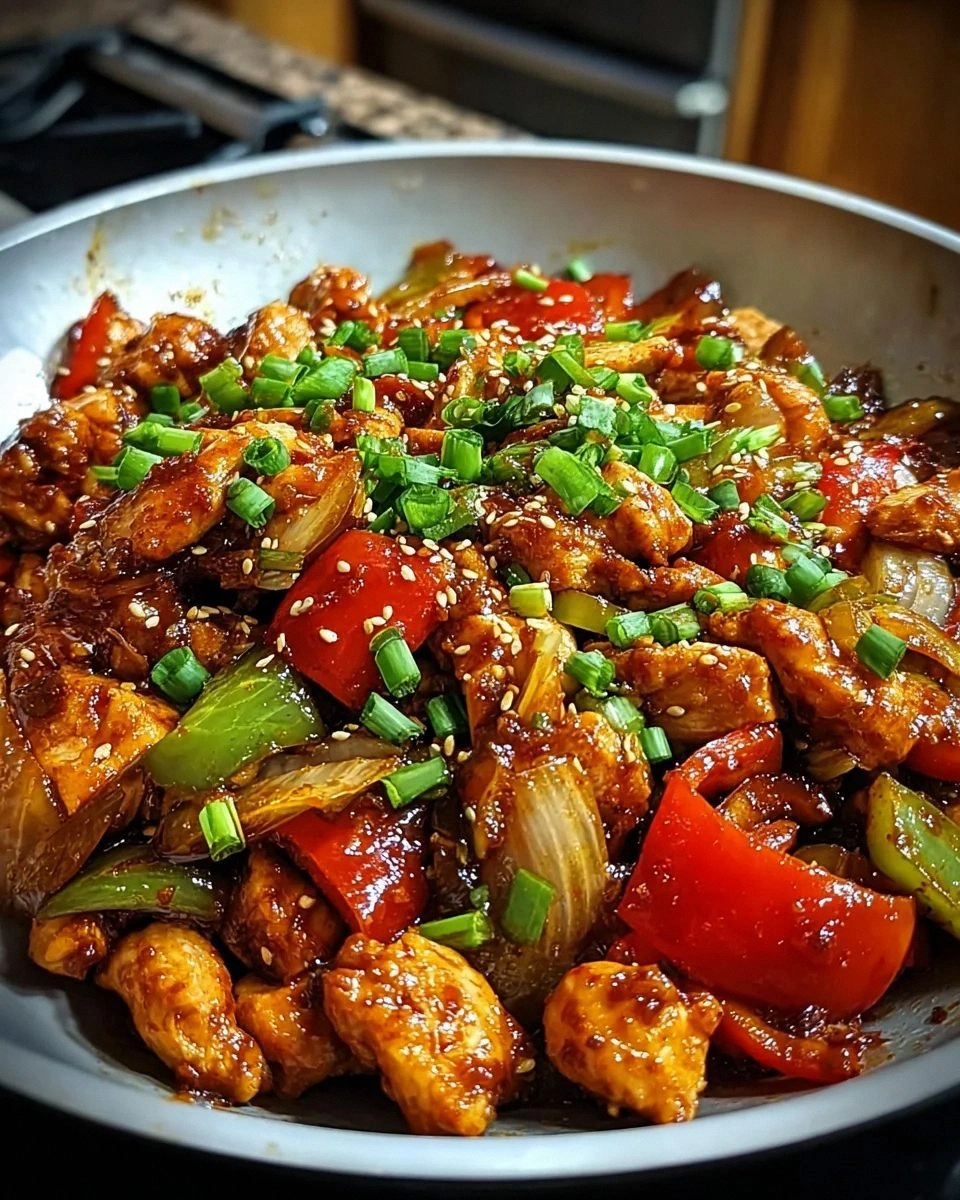
Picture this: the pan is a glossy black stage, the chicken pieces are tiny performers that crackle and brown, and the sauce—oh, the sauce—coats each morsel like a glossy, ruby‑red lacquer. The bell pepper adds a pop of color that looks like fireworks, while the onion releases a caramelized perfume that could convince a monk to abandon his vows. The sound of the sauce bubbling is a rhythmic drumbeat, the heat on the back of my hand is a gentle reminder that I’m cooking with purpose, and the texture under my fork is a satisfying snap that shatters like thin ice. Every bite is a fireworks display in your mouth, a flavor explosion that makes you think, “Is this really homemade?” The answer is a resounding yes, because I’ve cracked the code that most recipes completely miss.
What truly sets this version apart is a secret technique I stole from a Korean street vendor: I marinate the chicken in a tiny splash of soy sauce and a whisper of sesame oil before the stir‑fry, then I finish it with a drizzle of honey that balances the heat like a tightrope walker. Most home cooks skip the pre‑marinade and end up with a dish that feels flat, but this little step adds depth that makes the whole thing sing. I’ll be honest — I ate half the batch before anyone else got a chance to try it, and the leftovers still taste like the first bite, which is a rare miracle in the world of stir‑fries.
Okay, ready for the game‑changer? In the next sections I’m going to walk you through every single step, from selecting the perfect chicken breast to the exact moment you add the gochujang so it doesn’t burn. By the end, you’ll wonder how you ever made this dish any other way, and you’ll have a new go‑to recipe that will make you the hero of any dinner party. Let me walk you through every single step — by the end, you’ll wonder how you ever made it any other way.
What Makes This Version Stand Out
- Bold Flavor: The combination of gochujang, honey, and a splash of sesame oil creates a sweet‑heat balance that’s impossible to resist. It’s like a perfectly tuned orchestra where every instrument knows its place.
- Texture Play: Crisped chicken edges meet crunchy bell pepper and tender onion, delivering a mouthfeel that’s simultaneously crunchy and melt‑in‑your‑mouth.
- Simplicity: Only eleven ingredients, all pantry‑friendly, and the entire dish comes together in under an hour. No fancy equipment, just a wok or large skillet.
- Unique Marinade: A quick pre‑marinade infuses the chicken with umami before the heat even touches it, a step most recipes skip entirely.
- Crowd Reaction: I’ve seen grown‑ups beg for seconds, kids ask for the recipe, and even the picky eaters in my family can’t hide their delight.
- Ingredient Quality: Using fresh garlic, ginger, and a high‑quality gochujang makes the difference between “good” and “mind‑blowing.”
- Cooking Method: High‑heat stir‑fry locks in juices while giving the sauce a glossy, restaurant‑style finish.
- Make‑Ahead Potential: The sauce can be prepared ahead of time, and the dish reheats beautifully, making it perfect for meal‑prep warriors.
Inside the Ingredient List
The Flavor Base
Chicken breast is the star of this dish. Look for skinless, boneless pieces that are firm to the touch; they’ll absorb the marinade without becoming rubbery. If you pick a chicken breast that’s too thin, it can overcook in seconds, leaving you with a dry texture. I recommend buying a piece that’s at least 1½ inches thick, then slicing it into bite‑size strips. As a swap, you can use thigh meat for extra juiciness, but the lean profile of breast keeps the sauce from turning greasy.
Vegetable oil is the silent hero that gives the chicken that perfect sear. A neutral oil with a high smoke point—canola, grapeseed, or even avocado—prevents the sauce from burning while the chicken develops that coveted caramelized crust. If you’re out of oil, a splash of water will work, but you’ll lose the crisp edge that makes the dish sing.
The Texture Crew
Bell pepper adds a sweet crunch that contrasts beautifully with the heat of gochujang. Choose a red or yellow pepper for a pop of color, or go green for a slightly bitter edge. Slice it into thin strips so it cooks quickly yet retains a bite. If you’re allergic to peppers, try sliced carrots or snap peas for a similar crunch.
Onion brings depth and a subtle sweetness once caramelized. A medium yellow onion works best because its natural sugars develop a rich, savory foundation. Slice it thinly so it softens evenly with the chicken. Red onions can be used for a sharper flavor, but they’ll change the color profile of the final dish.
The Aromatic Duo
Garlic and ginger are the dynamic duo that unleash aromatic magic. Four cloves of garlic, minced finely, infuse the oil with a pungent warmth that’s instantly recognizable. Freshly grated ginger (about a tablespoon) adds a peppery zing that cuts through the richness of the sauce. If you’re in a pinch, garlic powder and ground ginger can work, but you’ll miss the bright, fresh snap they provide.
The Unexpected Star
Gochujang is the heart and soul of this dish—a fermented Korean chili paste that brings umami, sweetness, and heat in one glorious package. The amount can be adjusted to suit your tolerance, but 2 tablespoons give a balanced kick without overwhelming the palate. Look for a brand that lists real chilies and fermented rice; cheap versions can taste overly salty.
Soy sauce adds salty depth, while sesame oil contributes a nutty warmth that rounds out the flavor profile. Use low‑sodium soy sauce if you’re watching your salt intake, and drizzle just a teaspoon of toasted sesame oil at the end to avoid bitterness.
The Final Flourish
Honey (or maple syrup) is the sweet counterbalance to the fire of gochujang. One tablespoon is enough to mellow the heat while adding a glossy sheen to the sauce. If you prefer a less sweet version, reduce the honey to a teaspoon and add a splash of rice vinegar for brightness.
Sesame seeds and green onions aren’t just garnish—they’re texture and aroma boosters. Toast the seeds lightly to bring out their nutty flavor, and slice the green onions just before serving to preserve their fresh bite. Skipping these finishes is like serving a cake without frosting: technically complete, but missing the wow factor.
Everything's prepped? Good. Let's get into the real action...
The Method — Step by Step
Start by cutting the chicken breast into uniform strips, about ½ inch wide. Toss the pieces with a pinch of salt, a splash of low‑sodium soy sauce, and a drizzle of toasted sesame oil. Let them sit for 10 minutes; this quick marination infuses the meat with umami and ensures every bite is juicy. While the chicken rests, heat a large wok or skillet over medium‑high heat until a drop of water sizzles and evaporates.
Add 2 tablespoons of vegetable oil to the hot pan, swirling to coat the surface. When the oil shimmers, lay the chicken strips in a single layer, making sure not to overcrowd the pan. Let them sear undisturbed for about 2 minutes; you’ll hear a satisfying sizzle that signals a developing crust. Flip the pieces and cook another 2 minutes until they’re golden‑brown on all sides but not fully cooked through.
While the chicken cooks, prepare the aromatics: mince the garlic, grate the ginger, and slice the onion and bell pepper into match‑stick sized pieces. Set them aside in a bowl so you can add them quickly—timing is everything in a stir‑fry.
Now comes the trickiest part: the sauce. In a small bowl, whisk together 2 tablespoons gochujang, 3 tablespoons soy sauce, 1 tablespoon honey, and 1 teaspoon sesame oil until smooth. Watch Out: If the pan is too hot, the gochujang can scorch and turn bitter. Reduce the heat to medium before adding the sauce, and listen for a gentle bubbling rather than a roar.
Once the chicken is nicely browned, push it to the edge of the wok and add a splash more oil if the pan looks dry. Toss in the onion and bell pepper first; stir‑fry for 2 minutes until they start to soften but still retain a crunch. Then add the garlic and ginger, stirring constantly for another 30 seconds—this is the moment your kitchen smells like a Korean street market.
Return the chicken to the center of the pan, pour the pre‑whisked sauce over everything, and toss vigorously. The sauce should coat each piece like a glossy lacquer, and you’ll see the edges of the chicken start to pull away from the pan—signs of a perfect caramelization. Cook for another 3‑4 minutes, allowing the sauce to thicken and cling. Taste and adjust: a pinch more honey if you like sweetness, or an extra dab of gochujang for heat.
Turn off the heat and immediately sprinkle 1 tablespoon toasted sesame seeds and the sliced green onions over the top. The residual heat will lightly wilt the onions while preserving their fresh bite, and the sesame seeds add a nutty crunch that elevates every mouthful.
Serve the stir‑fry hot, straight from the pan, over steamed jasmine rice or cauliflower rice for a low‑carb twist. The dish stays vibrant for a few minutes, so gather your guests, take a photo, and dive in. That sizzle when it hits the pan? Absolute perfection. That's it — you did it. But hold on, I've got a few more tricks that'll take this to another level...
Insider Tricks for Flawless Results
The Temperature Rule Nobody Follows
Never start a stir‑fry on low heat. The magic happens when the pan is screaming hot, which locks in juices and creates that caramelized crust. If the oil isn’t shimmering, give the pan another minute; patience at the start pays off later. I once tried a “quick” low‑heat version and ended up with soggy chicken that stuck to the pan. Trust the heat, and the rest will fall into place.
Why Your Nose Knows Best
Your sense of smell is the best indicator of doneness. When the garlic and ginger turn from raw to fragrant, you’re at the perfect moment to add the sauce. If you can smell a hint of caramel, the chicken is ready to receive the gochujang glaze. A friend once ignored this cue and added the sauce too early, resulting in a bitter, burnt flavor that ruined the whole dish. Let your nose be your timer.
The 5‑Minute Rest That Changes Everything
After the stir‑fry is off the heat, let it sit for five minutes before serving. This short rest allows the sauce to settle and the flavors to meld, much like letting a steak rest after grilling. Skipping this step can make the sauce slide off the chicken onto the plate, leaving you with a dry bite. Trust me, those five minutes are pure gold.
Sauce Consistency Shortcut
If you prefer a thicker sauce, whisk a teaspoon of cornstarch with a tablespoon of cold water and stir it into the pan during the last minute of cooking. The sauce will thicken instantly without losing its glossy sheen. Just be careful not to over‑thicken; you want a sauce that clings, not a gravy.
The “Flavor Boost” Finish
A final drizzle of toasted sesame oil (about ½ teaspoon) right before serving adds a fragrant, nutty finish that lifts the entire dish. It’s the culinary equivalent of adding a pinch of salt to a chocolate chip cookie—subtle but transformative. I used to skip this step, thinking the oil in the sauce was enough, until a fellow home‑chef pointed out the difference. Now I never forget it.
Creative Twists and Variations
This recipe is a playground. Here are some of my favorite ways to switch things up:
Coconut Curry Fusion
Swap half the gochujang for Thai red curry paste and add a splash of coconut milk at the end. The result is a creamy, spicy‑sweet hybrid that will make you feel like you’ve traveled from Seoul to Bangkok in one bite.
Veggie‑Heavy Delight
Replace the chicken with firm tofu cubes or tempeh for a vegetarian version. Press the tofu first to remove excess moisture, then follow the same marinating steps. The tofu absorbs the sauce beautifully, delivering the same punch without the meat.
Nutty Crunch Upgrade
Add a handful of chopped peanuts or cashews during the final toss. The nuts introduce an extra layer of crunch and a buttery flavor that pairs perfectly with the sweet‑heat sauce.
Spice‑Level Switch
For the heat‑seekers, double the gochujang and add a dash of Korean chili flakes (gochugaru). If you prefer milder, reduce the gochujang to one tablespoon and increase the honey slightly to keep the balance.
Rice‑Free Bowl
Serve the stir‑fry over cauliflower rice, quinoa, or even a bed of shredded cabbage for a low‑carb, high‑fiber alternative. The sauce clings just as well, and you get a satisfying bite without the extra carbs.
Storing and Bringing It Back to Life
Fridge Storage
Allow the stir‑fry to cool to room temperature (no more than two hours), then transfer it to an airtight container. It will keep fresh for up to three days. When reheating, add a splash of water or chicken broth to revive the sauce’s gloss.
Freezer Friendly
Portion the cooked chicken and vegetables into freezer‑safe bags, leaving a little headroom for expansion. The sauce freezes well, so you can store it for up to two months. Thaw overnight in the fridge, then reheat in a skillet over medium heat, adding a tablespoon of water to loosen the glaze.
Best Reheating Method
The stovetop is your best friend for reheating. Heat a splash of oil in a pan, add the frozen or refrigerated stir‑fry, and stir‑fry for 4‑5 minutes, letting the sauce re‑emulsify. Avoid microwaving, as it can make the chicken rubbery and the sauce soggy.