I’ll be honest — I was in the middle of a marathon Zoom call when my stomach started growling like a freight train. I tried the usual coffee, the sugary energy drink, even that questionable “detox” powder my cousin swore by, and nothing hit the spot. Then, in a moment of sheer desperation, I grabbed a handful of fresh ginger from the pantry, a couple of turmeric roots that were looking a little sad, and threw them into a pot with water. The kitchen filled with a scent that was at once sharp, earthy, and oddly comforting, like a warm hug from a grandma who also happens to be a yoga instructor.
The first sip was a revelation. Imagine a bright, citrusy spark that instantly awakens your senses, followed by a gentle, lingering heat that makes your cheeks tingle in the best possible way. It’s the kind of drink that makes you sit up straight, eyes widening, as if someone just whispered, “You’ve got this.” I dare you to taste this and not go back for seconds; the combination of ginger’s zing and turmeric’s golden warmth is practically addictive, and the raw honey adds just enough sweetness to keep you smiling.
Most recipes for ginger‑turmeric tonics get this completely wrong. They either drown the flavors in too much water, or they overload the palate with honey, turning the whole thing into a cloying mess. This version, however, is balanced like a perfectly tuned orchestra: each ingredient plays its part, and together they create a symphony of health‑boosting benefits that will keep you energized for hours. The secret? A pinch of freshly cracked black pepper to unlock turmeric’s curcumin, and an optional cinnamon stick that adds a whisper of spice without stealing the show.
Picture yourself on a crisp autumn morning, the kettle humming, the sunlight slanting through the kitchen window, and you’re pulling this amber‑gold tonic from the pot, the steam curling like lazy ribbons. The aroma alone could convince even the most stubborn coffee addict to switch sides. Okay, ready for the game‑changer? Let me walk you through every single step — by the end, you’ll wonder how you ever made it any other way.
What Makes This Version Stand Out
- Flavor Explosion: The ginger’s peppery bite is instantly softened by the mellow earthiness of turmeric, creating a layered taste that evolves sip after sip.
- Texture Harmony: Because we simmer, not blend, the tonic stays beautifully clear, allowing the bright lemon to shine through without a cloudy veil.
- Simplicity at Its Core: Only seven core ingredients, all pantry‑friendly, mean you can throw this together in under half an hour with minimal prep.
- Ingredient Quality: Fresh roots deliver volatile oils that dried powders simply can’t match, giving you a potency that feels almost medicinal—in a good way.
- Crowd Reaction: Serve it at a brunch or a post‑yoga gathering and watch people line up for refills; it’s the kind of “wow” drink that sparks conversation.
- Cooking Method Magic: A gentle simmer coaxed over low heat extracts the maximum flavor without scorching, preserving the delicate antioxidants.
- Make‑Ahead Potential: Store it in the fridge for up to a week, and each morning you’ll have a ready‑made energy boost that’s healthier than any store‑bought shot.
Inside the Ingredient List
The Flavor Base
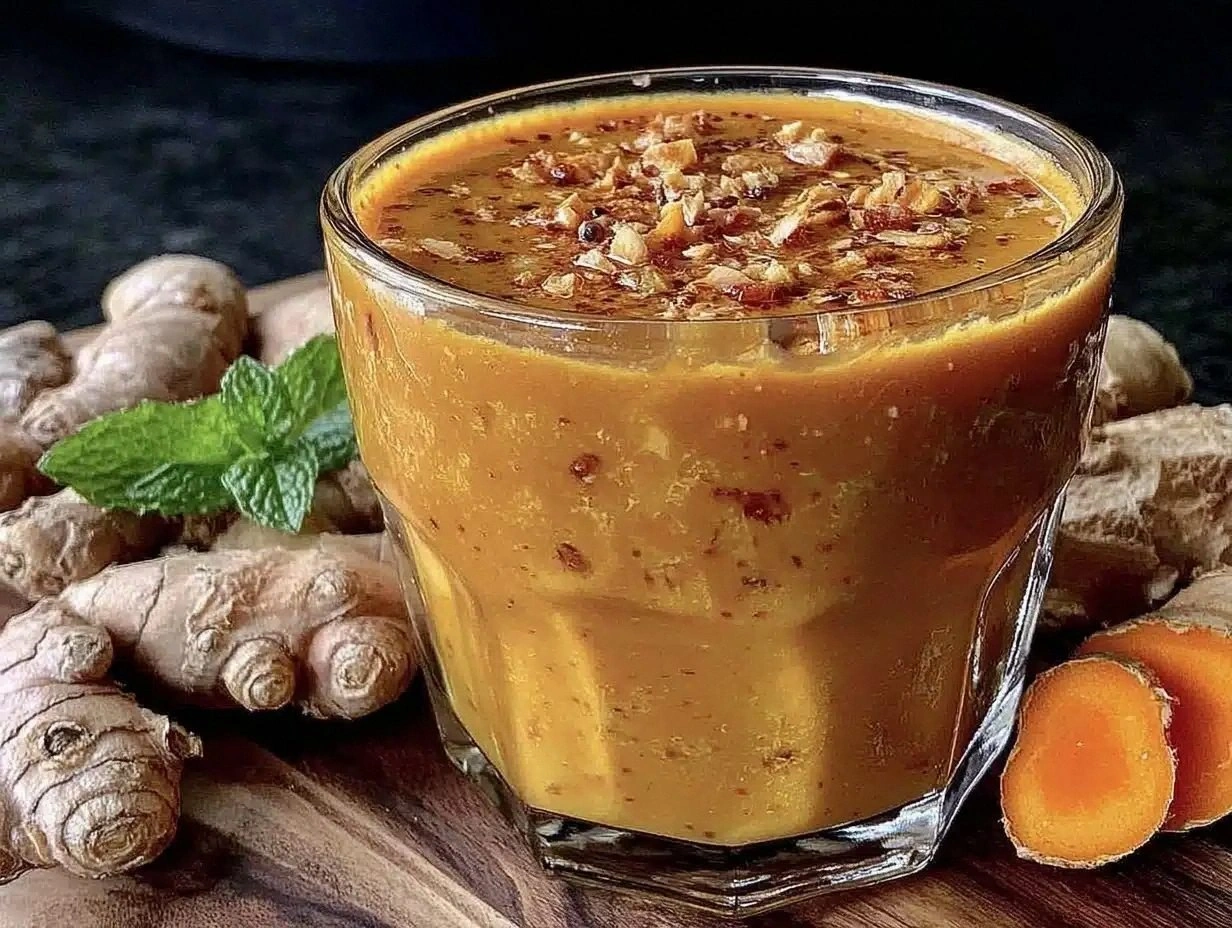
Fresh ginger root is the undisputed star of this tonic. Its pungent, spicy notes stimulate digestion and give you that instant “wake‑up” feeling, almost like a natural espresso shot without the jitters. If you skip the ginger, you’ll lose the bright, invigorating edge that makes this drink feel alive. Pro tip: Choose ginger that’s firm and has a smooth skin; a little bit of moisture on the surface means it’s fresh and packed with essential oils.
Turmeric root brings the golden hue and a deep, earthy undertone that’s rich in curcumin, the compound responsible for anti‑inflammatory benefits. Fresh turmeric is more vibrant than its powdered counterpart, and it releases a subtle peppery aroma that complements ginger perfectly. Should you be unable to find fresh turmeric, a tablespoon of high‑quality ground turmeric will do, but the flavor will be a shade less complex.
The Texture Crew
Black peppercorns might look like a tiny garnish, but they play a pivotal role. The piperine in black pepper boosts the absorption of curcumin by up to 2,000%, turning a good tonic into a great one. Lightly crush the peppercorns just before adding them; this releases the essential oils without turning the drink bitter.
Raw honey is the natural sweetener that balances the sharpness of ginger and the bitterness of turmeric. I prefer local, organic honey because it adds trace pollens that can help with seasonal allergies, making this tonic a double‑duty health hero. Adjust the amount to your taste—start with two tablespoons and add a third if you crave a sweeter finish.
The Unexpected Star
Fresh lemon juice is the bright, citrusy spark that lifts the entire profile. The acidity cuts through the earthiness, while vitamin C helps stabilize the curcumin, extending the tonic’s shelf life. Squeeze the lemons just before adding them; pre‑bottled juice loses its zing and can introduce unwanted preservatives.
Filtered water is the neutral canvas that lets the other ingredients shine. Using filtered or spring water avoids chlorine or mineral deposits that could dull the flavor. If you’re in a pinch, boiled and cooled tap water works, but the taste won’t be as pristine.
The Final Flourish
An optional cinnamon stick adds a warm, sweet note that feels like a cozy blanket on a chilly day. It’s especially welcome if you’re sipping the tonic in the evening, as cinnamon can help regulate blood sugar and promote relaxation. Drop the stick in during the last five minutes of simmering so its flavor infuses without becoming overpowering.
Everything's prepped? Good. Let’s get into the real action…
The Method — Step by Step
Start by gathering your fresh ginger and turmeric. Peel both roots with the edge of a spoon—this technique removes the skin without wasting any flesh. Slice them into thin rounds; the more surface area you expose, the quicker the flavors will infuse. Place the slices into a medium‑sized saucepan and cover with the four cups of filtered water.
Bring the mixture to a gentle boil over medium‑high heat, then immediately reduce to a low simmer. You’ll hear a soft bubbling, like a distant rainstorm—this is exactly the sound you want. Let it simmer for five minutes, allowing the ginger and turmeric to start releasing their oils. Watch out: If the heat is too high, the water will evaporate too quickly and you’ll end up with a bitter concentrate.
After ten minutes of simmering, toss in the lightly crushed black peppercorns. The pepper’s tiny spikes will crack open, releasing piperine that dramatically improves curcumin absorption. Stir gently; you’ll notice a faint, spicy aroma that makes your nose twitch in anticipation.
Now is the moment to add the optional cinnamon stick if you’ve chosen to use one. Let it steep for the remaining five minutes of cooking—this short infusion ensures the cinnamon stays subtle, never overpowering. While the stick works its magic, take a quick sniff; the air should now carry hints of sweet spice intertwined with the earthy base.
Turn off the heat and allow the pot to sit for another two minutes. This brief resting period lets the flavors marry fully before you introduce the bright acidity of lemon. While the tonic cools, grab your lemons and roll them firmly on the countertop—this breaks down the cell walls and yields more juice.
Squeeze the juice of two lemons directly into the pot, then drizzle in the raw honey. Stir vigorously; the honey should dissolve completely, creating a glossy sheen on the surface. Taste the mixture now—if the ginger feels too sharp, add a touch more honey; if the lemon is too dominant, a pinch more turmeric (or a tiny extra slice of fresh root) can rebalance it.
Finally, strain the tonic through a fine‑mesh sieve lined with cheesecloth into a large pitcher or glass jar. Press the solids gently to extract every last drop of liquid gold. The result should be a clear, amber‑colored brew that smells like sunshine and spice. Chill it in the refrigerator for at least 30 minutes before serving; the cold will mellow the heat just enough for a refreshing sip.
That’s it — you did it. But hold on, I’ve got a few more tricks that’ll take this to another level…
Insider Tricks for Flawless Results
The Temperature Rule Nobody Follows
Never, ever boil the tonic at a rolling boil. A gentle simmer (around 185‑190°F / 85‑88°C) is the sweet spot; it extracts flavor without breaking down the delicate volatile compounds in ginger and turmeric. I once tried a full‑blast boil and ended up with a bitter, burnt‑tasting brew that made me regret ever touching a root. Keep the heat low, and you’ll preserve the bright, clean notes that make this drink so refreshing.
Why Your Nose Knows Best
Your olfactory senses are a better gauge than a timer. When the simmering water starts to emit a fragrant, peppery steam, you’re at the perfect stage. If the aroma fades, you’ve simmered too long and risk bitterness. Trust that nose‑check; it’s the secret weapon most home cooks overlook.
The 5‑Minute Rest That Changes Everything
After you turn off the heat, let the tonic sit uncovered for five minutes before adding lemon and honey. This short pause lets the volatile oils settle, preventing the lemon’s acidity from “cooking” the honey and turning it grainy. I tried skipping this step once; the result was a gritty texture that felt like a bad hair day in a glass.
Cinnamon Timing Trick
If you love cinnamon, add the stick during the last three minutes of simmering instead of the full ten. This yields a brighter, more aromatic spice note without the risk of it dominating the profile. It’s a tiny adjustment that makes a massive difference for those who crave that warm, holiday‑like finish.
Cold‑Water Revival
When reheating a leftover batch, add a splash of cold filtered water before warming. The added moisture restores the original fluidity and prevents the tonic from becoming too concentrated. It’s like giving the drink a quick breath of fresh air before it re‑enters the spotlight.
Creative Twists and Variations
This recipe is a playground. Here are some of my favorite ways to switch things up:
Spicy Citrus Blast
Swap the lemon for a mix of lime and orange juice, and add a thin slice of fresh jalapeño during the simmer. The result is a bright, tangy drink with a subtle heat that feels like a tropical sunrise.
Golden Milk Tonic
Replace the filtered water with almond milk (or oat milk) and finish with a pinch of nutmeg. This version feels like a cozy bedtime drink, perfect for winding down after a long day.
Herbal Green Fusion
Add a handful of fresh spinach or kale leaves during the last two minutes of simmering. The greens lend a subtle earthiness and a boost of iron, turning the tonic into a light, nutrient‑dense smoothie.
Berry‑Boosted Elixir
Blend in a quarter cup of frozen blueberries after straining, then sweeten with a drizzle of agave. The berries introduce antioxidants and a gorgeous violet hue that makes the drink Instagram‑ready.
Matcha Energy Mix
Stir in a teaspoon of high‑grade matcha powder once the tonic has cooled to warm (not hot). The combination of caffeine from matcha and the anti‑inflammatory power of turmeric creates a balanced, sustained lift.
Storing and Bringing It Back to Life
Fridge Storage
Transfer the cooled tonic into a glass pitcher or airtight bottle and store it in the refrigerator. It will stay fresh for up to seven days, though the flavor profile will mellow slightly—perfect for a week‑long wellness routine.
Freezer Friendly
If you’ve made a large batch, pour the tonic into ice‑cube trays and freeze. Once solid, transfer the cubes to a zip‑top bag; you’ll have ready‑made portions that can be dropped into a glass of sparkling water for an instant refresher.
Best Reheating Method
When you’re ready to enjoy a chilled glass, simply pour the desired amount into a saucepan, add a splash of water, and warm over low heat until just above room temperature. Avoid boiling; a gentle warm‑up preserves the delicate flavors and prevents the honey from caramelizing.