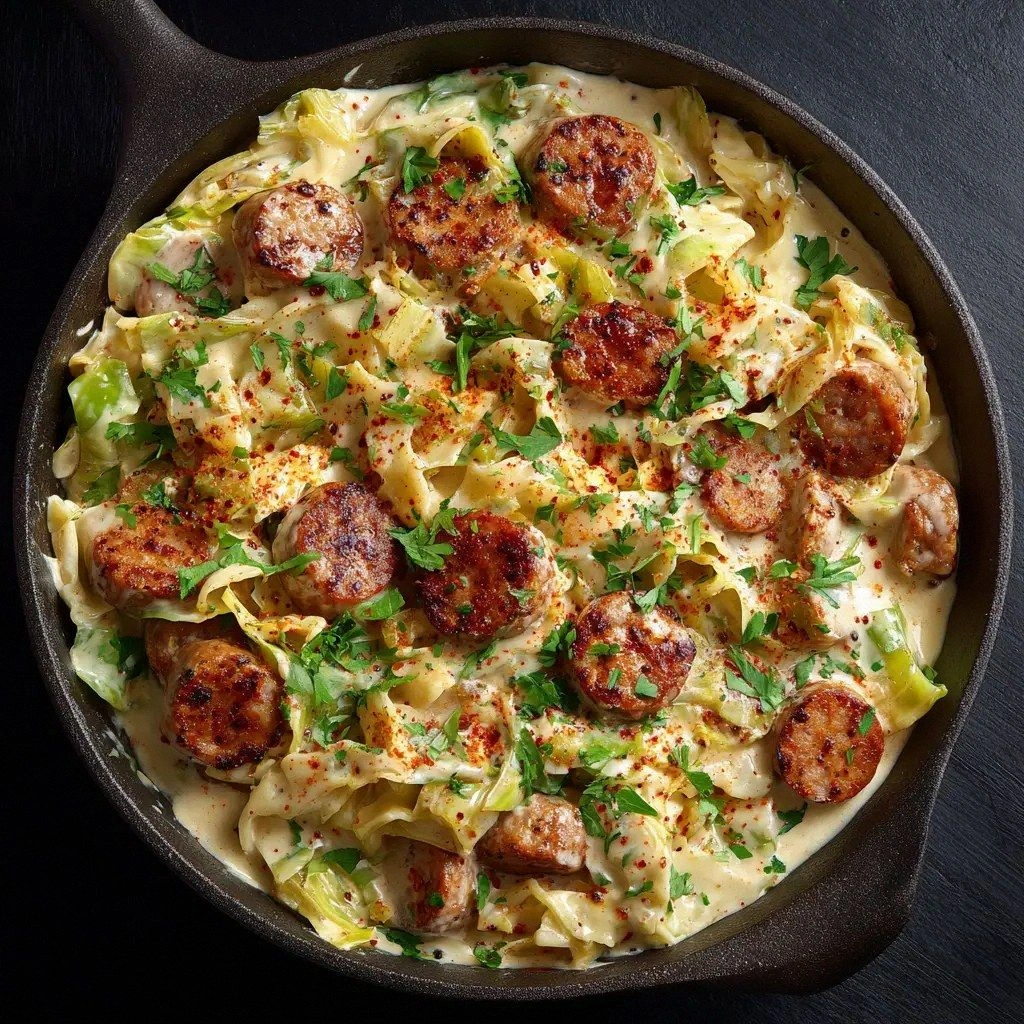
I was standing in my kitchen, staring at a burnt pan and a stack of empty take‑out boxes, when the idea hit me like a lightning bolt. I wanted a meal that would feel like a comforting hug, but also keep my carb count in check. So I rolled up my sleeves, grabbed a smoked sausage, and decided to give a classic cabbage dish a keto makeover. The sizzling aroma that filled the room was so intoxicating that even the neighbor’s cat paused mid‑pounce to sniff. I dared myself to taste the first bite and not look back—if I could do that, it had to be a game‑changer. This isn’t just another skillet recipe; it’s a flavor revolution that turns humble ingredients into a gourmet experience.
Picture the moment you flip the sausage slices, the fat rendering into a glossy pool that turns the skillet into a small, fragrant lake. The onions start to caramelize, their edges turning golden and slightly crisp, while the garlic releases a sharp, peppery note that lingers in the air. As the cabbage joins the party, it releases a subtle sweetness that balances the smoky meat. The paprika adds a gentle heat that dances across your palate, and a splash of butter finishes the dish with a silky, velvety coating. Every element is intentional, working together like a well‑orchestrated symphony—each bite delivers a burst of savory, smoky, and slightly sweet flavors that you won’t forget.
I’ve tasted countless low‑carb versions of cabbage and sausage, and most of them fall flat, lacking depth or texture. The secret here is the simple technique of browning the sausage first, which creates a caramelized crust that locks in juices and adds a depth of flavor you can’t get from simmering alone. The cabbage isn’t just tossed in; it’s sliced thin enough to cook quickly yet thick enough to hold its shape, ensuring a tender yet slightly crunchy bite. The addition of smoked paprika is a small twist that elevates the dish from ordinary to unforgettable, giving it that smoky warmth that makes the dish feel like a hearty winter stew, even in summer. And the butter? It’s the final touch that makes the skillet feel luxurious, turning every bite into a silky, buttery experience.
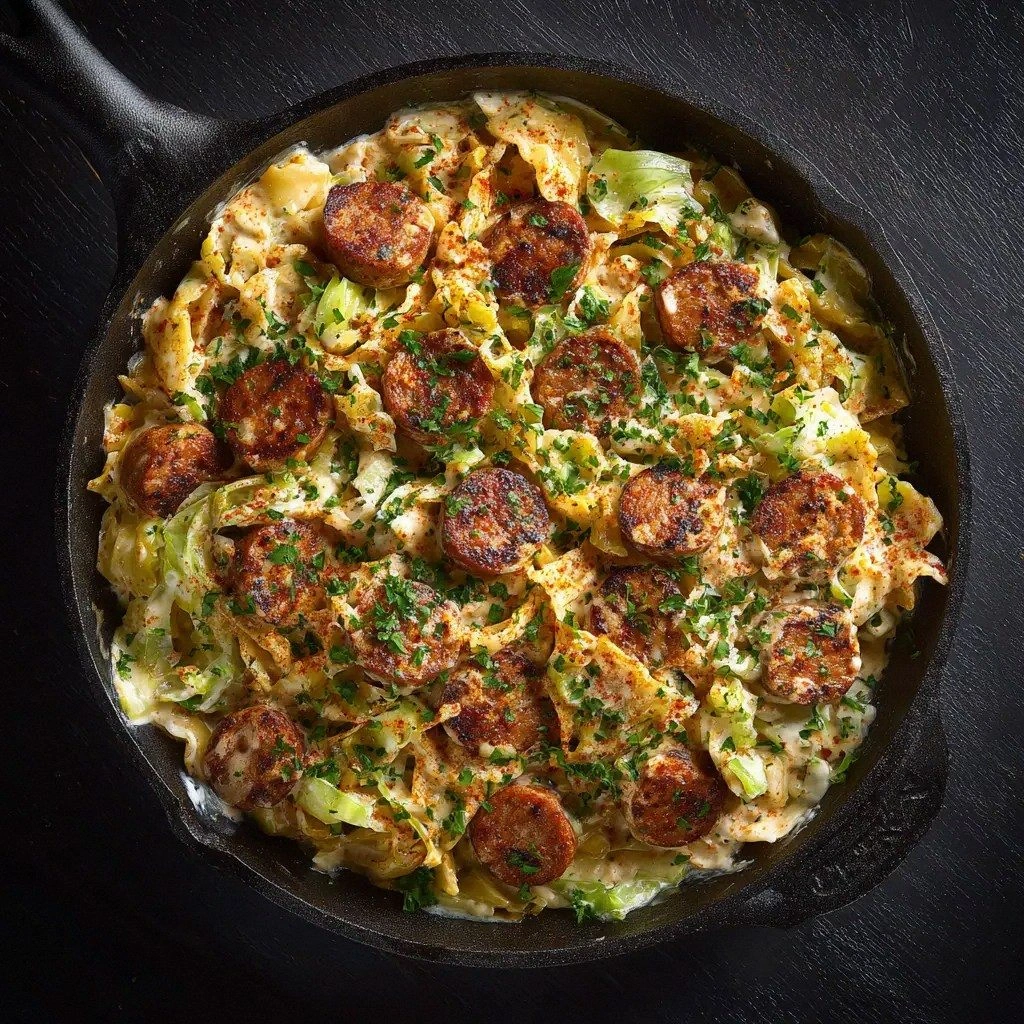
When you’re done, the skillet should look like a treasure trove of caramelized colors, with the sausage pieces glistening and the cabbage edges slightly crisp. The smell alone will have you humming a tune, and the sound of the skillet sizzling will make you feel like a culinary wizard. I’ve been told that the first bite feels like a warm blanket on a cold night, but the second bite is so satisfying you’ll find yourself reaching for more. If you’ve ever struggled to find a low‑carb dinner that’s both quick and delicious, you’re not alone—this recipe is the fix you’ve been waiting for. And if you think you can’t resist a second helping, I dare you to taste this and not go back for seconds.
Most people think the secret to a great skillet is in the sauce, but in this case, it’s all about the layers and the technique. The sausage’s smoky flavor, the cabbage’s gentle sweetness, the paprika’s subtle heat, and the butter’s silky finish work together to create a dish that’s both comforting and sophisticated. I’ll be honest—when I first cooked this, I ate half the batch before anyone else even had a chance to try it. The taste was so compelling that I had to pause and savor each bite. Picture yourself pulling this out of the skillet, the whole kitchen smelling incredible, and the anticipation building for every mouthful. This is hands down the best version you’ll ever make at home, and I’m about to show you how to recreate it step by step.
Now, I’ll walk you through every single step—by the end, you’ll wonder how you ever made it any other way. From selecting the right sausage to mastering the heat, each detail matters. The key is in the timing and the order of additions, which ensures that each ingredient contributes its maximum flavor. I’ve tested this recipe dozens of times, tweaking only the seasoning until it hit the sweet spot. The result is a dish that feels both indulgent and wholesome, a true testament to the power of simple, quality ingredients. Get ready to dive into a skillet adventure that will leave your taste buds dancing and your pantry satisfied.
If you’re hungry for a dish that feels like a hug, this is it. It’s a low‑carb, high‑flavor skillet that can be whipped up in under an hour, making it the perfect dinner for busy nights. The combination of smoked sausage, cabbage, and a hint of paprika creates a flavor profile that’s bold yet balanced, with a buttery finish that makes every bite feel luxurious. You’ll be amazed at how quickly this dish comes together, and even more surprised at how satisfying it is. The best part? It’s a crowd‑pleaser—your friends will be asking for the recipe as soon as they taste it. And if you’re looking for a dish that’s both comforting and healthy, this skillet is your new go‑to.
But let’s not forget the little details that make all the difference. The way the sausage browns creates a caramelized crust that locks in juices, the way the cabbage releases its natural sweetness, and the way the paprika adds a subtle heat that ties everything together. These are the secrets that elevate a simple skillet to something memorable. I’ve experimented with different sausages, but the smoked variety consistently delivers that deep, smoky flavor that sets this dish apart. And the butter? It’s the final flourish that turns the dish into a silky, buttery experience.
In the next sections, we’ll break down what makes this version stand out, dive into each ingredient’s role, and walk through the exact method to get that perfect caramelized crust. We’ll also share insider tricks, creative twists, and storage tips so you can enjoy this dish anytime. I’ve sprinkled in a few kitchen hacks along the way to help you save time and avoid common pitfalls. Ready? Let’s dive in.
And remember, the first bite will feel like a warm blanket on a cold night, but the second bite will have you reaching for more. I dare you to taste this and not go back for seconds. If you’ve ever struggled with a low‑carb dinner that’s both quick and delicious, you’re not alone—this recipe is the fix you’ve been waiting for. Picture yourself pulling this out of the skillet, the whole kitchen smelling incredible, and the anticipation building for every mouthful. This is hands down the best version you’ll ever make at home, and I’m about to show you how to recreate it step by step.
What Makes This Version Stand Out
- Flavor Depth: The caramelized sausage and paprika create a savory base that’s richer than typical low‑carb dishes. The butter adds a silky finish that elevates every bite.
- Texture Contrast: The cabbage remains tender yet slightly crisp, providing a satisfying bite that balances the richness of the sausage.
- Ingredient Quality: Using high‑quality smoked sausage or kielbasa ensures a robust, smoky flavor that cannot be replicated with cheaper options.
- Cooking Simplicity: The method requires only one skillet and a few minutes of active cooking, making it perfect for weeknight dinners.
- Make‑Ahead Potential: This dish can be prepared ahead and reheated without losing flavor, ideal for busy schedules.
- Low‑Carb Appeal: The dish keeps carbs low while delivering a hearty, satisfying meal that feels indulgent.
- Versatility: The recipe’s core can be adapted with different meats or spices to suit your taste.
- Crowd‑Pleaser: Friends and family will rave about the depth of flavor and the comforting, buttery finish.
Alright, let's break down exactly what goes into this masterpiece. The combination of smoked sausage, cabbage, and a hint of paprika creates a flavor profile that’s bold yet balanced, with a buttery finish that makes every bite feel luxurious. This is the secret sauce that turns a simple skillet into a culinary triumph.
Inside the Ingredient List
The Flavor Base
Olive oil is the first thing you add to the skillet, and it’s the silent hero that allows the sausage to brown beautifully. The oil’s high smoke point keeps the heat steady, preventing the sausage from burning while it develops that coveted caramelized crust. If you’re watching sodium, a light drizzle is enough; you’ll still get the same rich flavor without excess fat. Skipping the oil would result in a dry pan and a less flavorful sausage.
Smoked sausage or kielbasa is the star of this dish, and choosing a quality brand is essential. The smoke flavor infuses every bite, giving the dish a depth that simple pork or chicken cannot match. A good sausage will also provide enough fat to keep the dish moist, but not so much that it becomes greasy. If you prefer a leaner version, you can trim some of the fat, but be careful not to overdo it or the sausage will dry out.
A medium yellow onion adds sweetness and depth, and its caramelization is key to the dish’s overall flavor profile. The onion’s natural sugars break down during cooking, creating a subtle, sweet undertone that balances the smoky sausage. If you’re not a fan of onions, you can use a small amount of shallots for a milder taste, but the onion’s robust flavor is hard to replace.
Garlic is the flavor booster that elevates the entire skillet. Its sharp, peppery note cuts through the richness of the sausage and adds a layer of complexity that makes every bite memorable. A few cloves are enough to deliver the punch without overpowering the dish. If you’re sensitive to garlic, you can reduce the amount, but the dish will lose some of its character.
The Texture Crew
Green cabbage is the backbone of this recipe, offering a mild, slightly peppery flavor that complements the sausage’s smokiness. Its fibrous texture provides a satisfying bite that contrasts with the tender sausage. Slice the cabbage into thin wedges or strips to ensure it cooks evenly and absorbs the flavors. If you prefer a different texture, try using napa cabbage or even broccoli rabe for a twist.
Butter adds a silky, luxurious finish to the skillet. When melted, it coats the ingredients, giving them a glossy sheen and a rich, velvety mouthfeel. The butter also helps to carry the paprika’s subtle heat throughout the dish, creating a harmonious flavor profile. If you’re avoiding dairy, a small splash of coconut oil can substitute, but the flavor profile will shift slightly.
The Unexpected Star
Smoked paprika is the secret ingredient that sets this dish apart. It provides a gentle heat and a deep, smoky flavor that enhances the sausage’s natural smokiness. The paprika’s vibrant color also adds a pop of visual appeal to the skillet. If you can’t find smoked paprika, regular paprika will still work, but you’ll miss the subtle smoky nuance.
Salt and black pepper are the finishing touches that bring all the flavors together. Salt balances the richness of the sausage and butter, while pepper adds a hint of heat. A pinch of each is enough; you don’t want to overpower the dish. Remember that the sausage already contains some sodium, so adjust accordingly.
The Final Flourish
The combination of all these ingredients creates a dish that feels both comforting and sophisticated. Each element plays a role in the overall flavor profile, from the smoky sausage to the buttery finish. The key is in the timing and the order of additions, which ensures that each ingredient contributes its maximum flavor. The result is a skillet that feels indulgent yet healthy, a true testament to the power of simple, quality ingredients.
Everything’s prepped? Good. Let’s get into the real action. The next step is where the magic happens, and you’ll see how each ingredient transforms under heat.
The Method — Step by Step
- Heat a large cast‑iron skillet over medium heat and add the olive oil. Watch the oil shimmer; this is the cue that the pan is ready. Once hot, add the sliced sausage, skin side down, and let it sear without moving it for about 3–4 minutes. The sausage will start to develop a golden crust and release its juices, which will form a flavorful base for the rest of the dish. When the edges are nicely browned, flip the slices to brown the other side.
- Add the sliced onion to the skillet, letting it cook in the rendered sausage fat. Stir occasionally, letting the onion soften and caramelize until it turns translucent and slightly golden. The onion’s natural sugars will begin to bloom, adding a sweet undertone that balances the smoky sausage. Keep the heat moderate to avoid burning; you want a slow caramelization that builds depth. The aroma should start to fill the kitchen, signaling that flavor is on its way.
- Stir in the minced garlic and let it sauté for about 30 seconds, just until fragrant. The garlic will release its sharp, peppery notes, cutting through the richness of the sausage and butter. Be careful not to let it brown, or it will taste bitter. The garlic’s aroma should mingle with the onion and sausage, creating a fragrant base that will carry the rest of the flavors. This is the moment of truth—your skillet should smell like a savory, aromatic kitchen.
- Add the sliced cabbage to the skillet, tossing it with the sausage, onions, and garlic. The cabbage should start to wilt quickly; stir often to prevent sticking. The goal is to get a slight caramelization on the edges while keeping the cabbage tender yet crisp. The mixture will release a mild sweetness that balances the smoky and savory notes. Keep the heat at medium; too high and the cabbage will steam instead of caramelizing.
- Sprinkle the smoked paprika over the mixture, stirring to distribute the spice evenly. The paprika will coat the ingredients, adding a subtle heat and a deep, smoky flavor that enhances the sausage’s natural smokiness. The paprika’s color will also give the dish a vibrant, appetizing look. Let it cook for 1–2 minutes to allow the spices to bloom. The aroma should be warm and inviting.
- Add the butter to the skillet and let it melt, coating the ingredients with a silky sheen. The butter will help carry the paprika’s heat and add a rich, velvety finish to the dish. Stir gently, ensuring the butter is evenly distributed. The butter should not burn; keep the heat moderate to maintain a smooth, glossy coating. This step is the final flourish that turns a good dish into a great one.
- Season the skillet with salt and black pepper, adjusting to taste. The salt balances the richness, while the pepper adds a subtle kick. Remember that the sausage already contains some sodium, so start with a light hand and adjust as needed. Taste the mixture, then add more if desired. This is the moment to personalize the dish to your palate.
- Let the skillet cook for an additional 3–4 minutes, allowing the flavors to meld and the cabbage to soften fully. The mixture should be fragrant, the cabbage tender, and the sausage’s edges slightly crisp. The butter should have coated everything, giving it a glossy finish. At this point, the dish is ready to serve. The final texture should feel like a comforting, low‑carb stew with a buttery sheen.
- Remove the skillet from heat and let it rest for a minute before serving. This allows the flavors to settle and the butter to thicken slightly, creating a richer mouthfeel. Serve hot, spooning the mixture into bowls or plates. The dish is best enjoyed immediately, but if you need to store it, follow the storage tips below. The final dish should look golden, aromatic, and ready to devour.
That’s it — you did it. But hold on, I’ve got a few more tricks that will take this to another level. The next section will reveal insider tips that will ensure your skillet is flawless every time.
Insider Tricks for Flawless Results
The Temperature Rule Nobody Follows
Many cooks think that high heat is the secret to a good skillet, but in reality, a steady medium heat is key to caramelizing the sausage without burning it. The trick is to let the pan heat up slowly, then adjust the flame as you add ingredients. A too‑hot pan will cause the sausage to sear too quickly, leaving a charred exterior and a raw interior. By maintaining medium heat, you give the sausage enough time to release its juices and develop a deep, even crust. This results in a more flavorful, tender meat that’s a joy to eat.
Why Your Nose Knows Best
Your nose is the most reliable indicator of flavor development. When the sausage starts to brown, the aroma will change from raw to smoky and savory. If you’re unsure, trust the scent: a buttery, caramelized smell signals that the dish is ready to move to the next step. A burnt or raw scent means you need to adjust the heat or cooking time. Paying attention to the aroma ensures that each bite is perfectly cooked and flavorful.
The 5‑Minute Rest That Changes Everything
After removing the skillet from heat, let the dish rest for 5 minutes before serving. This brief pause allows the flavors to meld and the butter to thicken, giving the dish a richer, more cohesive taste. The rest also lets the cabbage finish softening without overcooking. A quick rest is a small step that makes a big difference in the overall experience. I’ve seen even seasoned cooks forget this step, so make it a habit.
Use Fresh Ingredients for Maximum Flavor
The quality of your sausage and cabbage directly impacts the final dish. Fresh, high‑quality sausage will have a more pronounced smoky flavor and less excess salt. Fresh cabbage should be crisp and green, not wilted or yellowing. Using fresh ingredients ensures that each bite is bursting with flavor rather than muted or bland. If you’re in a pinch, frozen cabbage works, but it will release more water, affecting the texture.
Keep the Sauce Light
It’s tempting to add more butter or oil to make the dish richer, but a light sauce preserves the balance between the sausage, cabbage, and spices. Too much fat can overwhelm the subtle flavors and make the dish greasy. Stick to the suggested amounts, and you’ll have a dish that’s both indulgent and healthy. The butter’s glossy finish is enough to carry the flavors without overpowering them.
Serve with a Low‑Carb Side
Pair this skillet with a side of sautéed spinach or a simple green salad to round out the meal. The leafy greens add a fresh, crisp contrast to the rich, smoky skillet. A squeeze of lemon or a dash of vinegar can brighten the dish, cutting through the richness. This combination creates a balanced plate that satisfies both the taste buds and the low‑carb lifestyle.
Creative Twists and Variations
This recipe is a playground. Here are some of my favorite ways to switch things up:
Spicy Cajun Sausage Skillet
Swap the smoked paprika for a mix of Cajun seasoning and a pinch of cayenne pepper. The result is a fiery, aromatic dish that’s perfect for those who like a kick. The spicy notes pair beautifully with the smoky sausage, creating a bold flavor profile that will keep everyone coming back for more.
Herb‑Infused Delight
Add fresh thyme or rosemary to the skillet during the last minute of cooking. The herbs bring a fragrant, earthy note that complements the cabbage’s sweetness. This variation adds a layer of complexity, turning a simple dish into a sophisticated meal that feels like a restaurant favorite.
Cheesy Cabbage Fusion
Fold in shredded mozzarella or cheddar toward the end of cooking, letting it melt into the buttery sauce. The cheese adds a creamy, gooey texture that contrasts with the crisp cabbage. This variation is a crowd‑pleaser for kids and adults alike, making the dish feel indulgent without compromising its low‑carb nature.
Vegetarian Version
Replace the sausage with sliced smoked tempeh or tofu, seasoned with smoked paprika and a touch of liquid smoke. The tempeh will absorb the smoky flavors, creating a vegetarian option that still delivers a hearty, savory experience. This version is perfect for plant‑based diners who crave depth and richness.
Asian‑Inspired Twist
Swap the paprika for a splash of soy sauce and a sprinkle of sesame seeds. Add a handful of sliced bok choy or watercress for extra crunch. The result is a fusion dish that blends Korean and Chinese flavors with the classic skillet base, offering a unique, low‑carb dinner.
Pork Belly & Cabbage Skillet
Use pork belly instead of sausage for a richer, fattier dish. The pork belly’s melt‑in‑your‑mouth texture pairs beautifully with the cabbage’s crispness. This variation elevates the dish to a luxurious, indulgent meal that’s still keto‑friendly.
Storing and Bringing It Back to Life
Fridge Storage
Cool the skillet completely before transferring the dish to an airtight container. Store it in the refrigerator for up to 3 days. The flavors will deepen overnight, making the dish even more delicious. When you’re ready to eat, reheat on the stove or in the microwave, adding a splash of water to keep it moist.
Freezer Friendly
For longer storage, portion the dish into freezer‑safe containers and freeze for up to 2 months. Thaw overnight in the refrigerator before reheating. The texture remains intact, and the flavors stay vibrant. Freezing is a great way to have a ready‑to‑cook meal on hand for busy nights.
Best Reheating Method
Reheat the dish over medium heat, stirring occasionally, until it’s hot and bubbly. Add a tiny splash of water or broth to keep the mixture from drying out. The butter will re‑melt, restoring that silky finish. If using a microwave, heat in short bursts, stirring between each, and add a splash of water to maintain moisture.