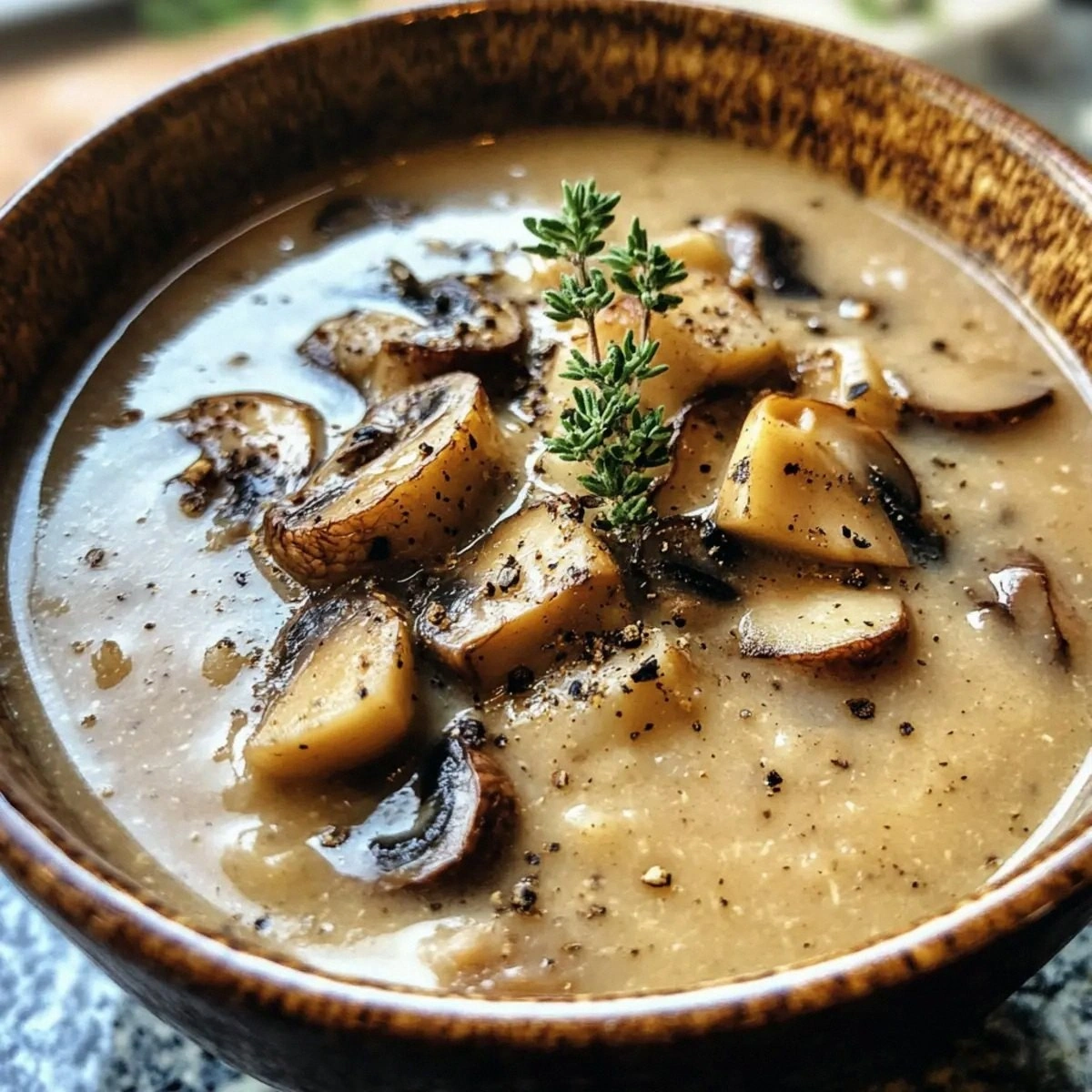
I was standing in my kitchen on a rain‑soaked Tuesday, the kind of day when the clouds look like a heavy blanket and every thought of stepping outside feels like betrayal. I had a pot of bland broth simmering, a half‑finished grocery list, and a craving that was louder than my neighbor’s dog barking at 3 a.m. I dared my roommate to a “mushroom‑only” challenge, and she laughed—until she tasted the first spoonful of what would become the most addictive soup of her life. That moment of accidental brilliance, when the earthy aroma of fresh mushrooms collided with the sweet sting of gochujang miso, sparked the creation of what I now call the Double Umami Mushroom Soup for Ultimate Comfort Cooking.
Picture this: the kitchen fills with a perfume that’s part forest floor, part umami fireworks, and the sound of a gentle simmer that whispers, “stay awhile.” The butter melts into the pan, turning a golden hue that glistens like sunrise on a lake, while the shallots sizzle and release a sweet, almost caramel‑like perfume. A chorus of cremini and shiitake mushrooms joins the party, their caps turning a deep mahogany as they soak up the broth, each bite promising a burst of savory depth. The whole scene feels like a cozy blanket for your senses, a warm hug that you can’t help but want to share.
Why does this version stand out from every other mushroom soup you’ve ever tried? Most recipes treat mushrooms as a background player, a simple filler for a bland base. Not this one. I’m layering two distinct mushroom varieties, each bringing its own texture and flavor profile, then supercharging the broth with Kikkoman® Teriyaki Takumi, Gochujang Spicy Miso—a secret weapon that adds a sweet‑spicy umami punch you never saw coming. The heavy cream finishes the soup with a silkiness that coats your tongue like velvet, while the thyme and bay leaf provide a subtle herbaceous lift that keeps the palate from getting stuck in one note.
I’ll be honest — I ate half the batch before anyone else got to try it, and that’s a confession I’m willing to own because the flavor is that good. I dare you to taste this and not go back for seconds; it’s hands down the best version you’ll ever make at home. And now, ready for the game‑changer? Let me walk you through every single step — by the end, you’ll wonder how you ever made it any other way.
What Makes This Version Stand Out
- Depth: By combining cremini and shiitake, you get a layered earthiness that a single mushroom can’t deliver. The cremini offers a mild, nutty backdrop while shiitake adds a meaty, almost smoky intensity.
- Umami Boost: The gochujang miso isn’t just a flavor; it’s a flavor amplifier. It turns the broth into a symphony of salty, sweet, and spicy notes that dance on the tongue.
- Creamy Finish: Heavy cream is folded in at the very end, creating a luxurious mouthfeel that makes the soup feel like a decadent sauce rather than a simple starter.
- Simplicity: Despite the complex taste, the technique is straightforward—no fancy equipment, just a sturdy pot and a willingness to stir with love.
- Crowd Reaction: This soup has a habit of turning skeptics into believers. Serve it at a dinner party and watch the compliments roll in like applause after a standing‑ovation.
- Ingredient Quality: Fresh, high‑quality mushrooms make all the difference. The better the mushrooms, the richer the flavor foundation.
- Make‑Ahead Potential: This soup actually improves after a night in the fridge; the flavors meld and deepen, making leftovers even more irresistible.
- Versatility: It works as a starter, a main, or even a comforting midnight snack when paired with crusty bread.
Inside the Ingredient List
The Flavor Base
Unsalted butter is the silent hero here. It melts into the pan, creating a glossy, buttery canvas that prevents the shallots and garlic from scorching. If you skip the butter, you’ll miss that subtle richness that carries the umami forward. A good quality butter with a higher butterfat content will give you a more pronounced flavor; think European‑style butter for the best results.
Chopped shallots bring a sweet onion note without the harsh bite of regular onions. Their delicate flavor deepens as they caramelize, adding a gentle sweetness that balances the salty miso later on. If you can’t find shallots, a mix of half a small yellow onion and a pinch of sugar can mimic the effect, though the authenticity will be slightly off.
Minced garlic is the aromatic spark that cuts through the richness. Freshly minced garlic releases allicin, which adds a sharp, almost peppery edge that brightens the broth. If you overcook it, the garlic turns bitter—watch it closely and remove the pan from heat the moment it turns golden.
The Texture Crew
Cremini mushrooms, also known as baby bellas, bring a firm bite that holds up well during simmering. Their earthy flavor is milder than portobello but more pronounced than button mushrooms, making them the perfect middle ground. If you substitute with button mushrooms, expect a loss of that nutty undertone.
Shiitake mushrooms contribute a deep, almost meaty texture that transforms the soup from a simple broth into a hearty experience. Their caps are thick and chewy, while the stems are fibrous and best removed before cooking. Look for shiitake with a rich, dark brown cap and a dry texture; fresh is best, but dried shiitake rehydrated in warm water works in a pinch.
The Unexpected Star
All‑purpose flour is the secret thickener that creates that velvety body without making the soup gummy. When whisked into the melted butter, it forms a roux that coats each mushroom piece, ensuring every spoonful carries that silky coating. If you’re gluten‑free, swap with cornstarch mixed with a little cold water, but the texture will be slightly lighter.
Kikkoman® Teriyaki Takumi, Gochujang Spicy Miso is the flavor bomb that turns ordinary broth into an umami masterpiece. Its combination of sweet soy, fermented miso, and spicy gochujang adds depth, heat, and a subtle sweetness. Use it sparingly at first; you can always add more, but you can’t take it out.
The Final Flourish
Fresh thyme leaves and a single dried bay leaf are the herbaceous whisper that lifts the heavy mushroom base. Thyme adds a piney brightness, while the bay leaf contributes an underlying warmth that rounds out the flavors. Remember to remove the bay leaf before serving; it’s a flavor enhancer, not a chewable garnish.
Heavy cream is the luxurious finishing touch. It mellows the sharp edges of the miso and garlic, turning the broth into a luscious, velvety river of comfort. For a lighter version, you can substitute half‑and‑half, but the richness will be noticeably reduced.
Salt and pepper to taste are the final seasoning adjustments. Because the miso already brings salt, you’ll want to taste before adding more. A pinch of freshly cracked black pepper adds a subtle heat that lingers on the palate.
Everything's prepped? Good. Let’s get into the real action…
The Method — Step by Step
Heat a large, heavy‑bottomed pot over medium heat and add the 2 tablespoons of unsalted butter. As the butter melts, listen for that gentle sizzle that tells you the pan is ready. Add the chopped shallots and let them cook, stirring occasionally, until they become translucent and start to turn a light golden color—about 3‑4 minutes. This is the moment where the kitchen smells like a French bistro, and you’ll know you’re on the right track.
Drop in the 3 cloves of minced garlic. Keep the heat moderate; you want the garlic to release its aroma without burning, which would add bitterness. As soon as you detect that sharp, inviting garlic scent, it’s time to move on.
Kitchen Hack: Add a splash of water (about a tablespoon) if the garlic starts to stick; it will steam and prevent scorching.Introduce the mushroom crew: 8 ounces of cremini and 4 ounces of shiitake, sliced into uniform pieces. Increase the heat slightly to get a good sear; you’ll hear a satisfying pop as the mushrooms hit the pan. Cook, stirring frequently, until they release their moisture and start to brown—about 6‑8 minutes. The mushrooms should look glossy and deep brown, and the kitchen will be filled with an earthy perfume that makes you want to hug the pot.
Sprinkle the 2 tablespoons of all‑purpose flour over the mushroom mixture, stirring constantly to form a roux. This step is crucial; the flour must coat every mushroom piece before any liquid is added, otherwise you’ll end up with lumps. Cook the roux for 2‑3 minutes, watching it turn a light caramel color—this is the foundation of that silky body you’ll love.
Slowly pour in the 4 cups of vegetable broth, whisking continuously to dissolve the roux and avoid any clumps. As the broth hits the hot roux, you’ll hear a gentle hiss, and the soup will begin to thicken almost instantly. Add the 1 teaspoon of fresh thyme leaves and the single dried bay leaf, then bring the mixture to a gentle simmer. Reduce the heat to low and let it bubble softly for 15 minutes, allowing the flavors to meld.
Stir in the 2 tablespoons of Kikkoman® Teriyaki Takumi, Gochujang Spicy Miso, ensuring it fully dissolves. This is the game‑changer; the miso adds depth, the gochujang adds a subtle heat, and the teriyaki brings a sweet‑salty balance. Taste the broth now—if it feels a little shy, add a pinch of salt, but remember the miso already carries a lot of saltiness.
Remove the bay leaf and any tough shiitake stems. Then, lower the heat and gently whisk in the 1 cup of heavy cream. The soup will turn a luscious, pale‑gold color, and you’ll notice the surface become glossy. Let it heat through for another 3‑4 minutes, but do not let it boil, or the cream may separate.
Season with freshly cracked black pepper to taste, and give the soup one final stir. At this point, the aroma should be a perfect blend of mushroom earthiness, sweet‑spicy miso, and creamy richness. If you want a touch more brightness, a squeeze of fresh lemon juice can be added, but that’s optional.
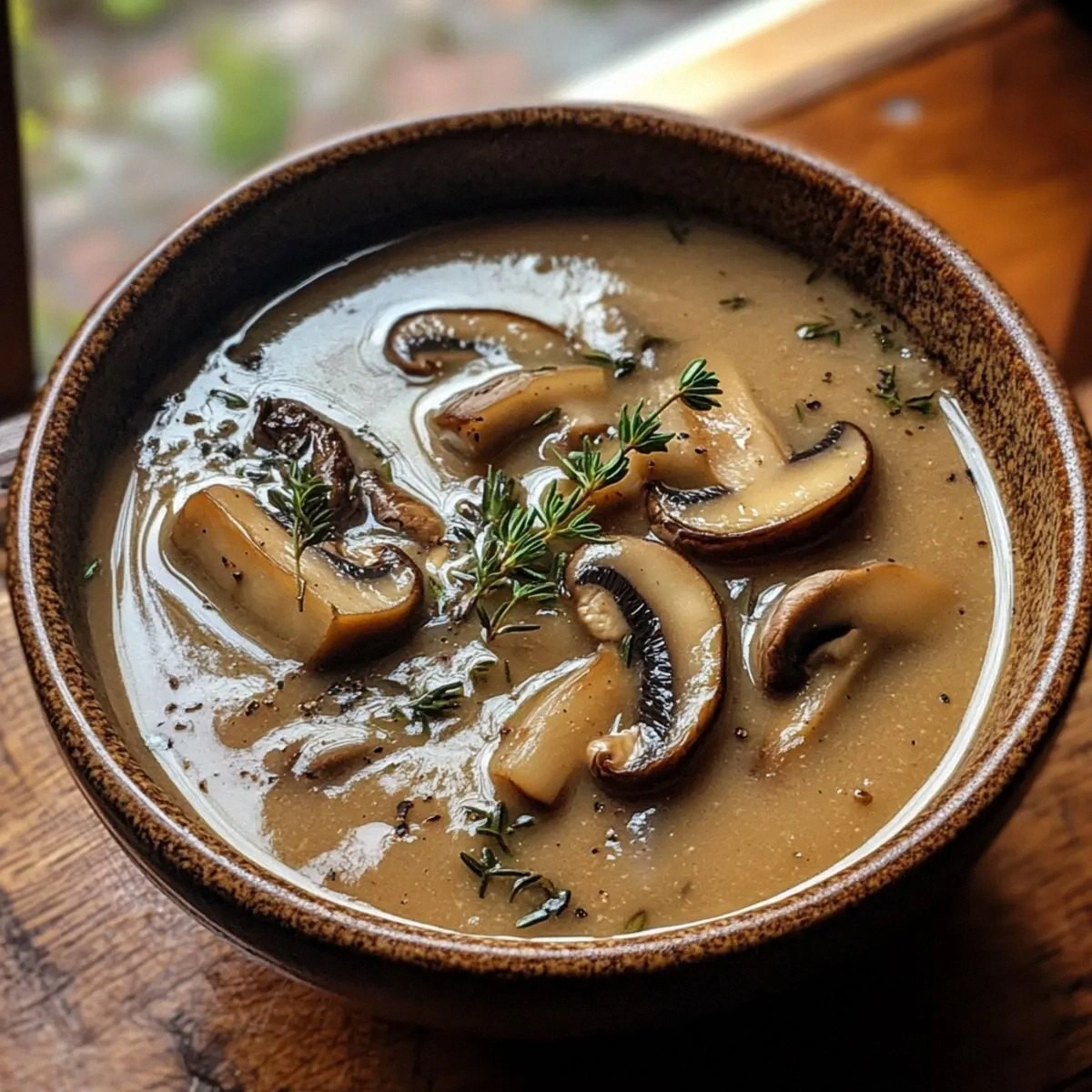
Turn off the heat, ladle the soup into bowls, and garnish with a drizzle of extra heavy cream, a sprinkle of thyme leaves, and if you’re feeling fancy, a few sliced shiitake mushrooms for visual flair. Serve immediately with crusty bread or a side of toasted baguette.
Watch Out: If the soup thickens too much after cooling, simply whisk in a splash of warm broth or water to reach your desired consistency.
That's it — you did it. But hold on, I've got a few more tricks that'll take this to another level...
Insider Tricks for Flawless Results
The Temperature Rule Nobody Follows
Never rush the simmer. A low, steady simmer allows the mushrooms to release their juices slowly, creating a richer broth. If you crank the heat, the broth evaporates too quickly, concentrating salt and losing subtle flavors. Keep the pot covered partially to retain moisture while still allowing steam to escape.
Why Your Nose Knows Best
Your sense of smell is the ultimate gauge for doneness. When the soup starts to smell like a forest after a rain, you’re close. If you notice a raw mushroom scent lingering, give it a few more minutes. Trust your nose more than the timer.
The 5‑Minute Rest That Changes Everything
After you finish cooking, let the soup sit off the heat for five minutes. This short rest lets the flavors marry, and the cream fully integrates, resulting in a smoother mouthfeel. Skipping this step is like serving a song before the final chord—something feels unfinished.
Mushroom Prep Mastery
Clean mushrooms with a damp paper towel rather than soaking them. Mushrooms are sponges; too much water dilutes their flavor. Slice them uniformly so they cook evenly, ensuring each bite offers the same texture.
The Cream Integration Secret
Creative Twists and Variations
This recipe is a playground. Here are some of my favorite ways to switch things up:
Spicy Sriracha Swirl
Add a tablespoon of sriracha to the broth just before the cream. The heat will complement the gochujang, creating a layered spice profile that’s perfect for those who love a kick. Garnish with a few red pepper flakes for visual heat.
Herbaceous Green
Swap thyme for fresh rosemary and add a handful of chopped spinach at the end. The rosemary adds piney depth, while the spinach brings a pop of color and a mild earthiness that pairs beautifully with the mushrooms.
Vegan Velvet
Replace butter with olive oil, use coconut cream instead of heavy cream, and swap the miso for a vegan miso blend. The result is a plant‑based version that still delivers that luxurious mouthfeel.
Truffle Infusion
Stir in a drizzle of truffle oil just before serving. The earthy, luxurious aroma of truffle elevates the soup to a fine‑dining experience. Use sparingly; a little goes a long way.
Cheesy Finish
Blend in ½ cup of grated Gruyère or aged cheddar during the final simmer. The cheese adds a nutty richness that deepens the umami profile, turning the soup into a comforting cheese‑lover’s dream.
Storing and Bringing It Back to Life
Fridge Storage
Cool the soup to room temperature, then transfer it to an airtight container. It will keep for up to 4 days in the refrigerator. When reheating, add a splash of water or broth to restore its silky texture, and stir gently over low heat.
Freezer Friendly
Portion the soup into freezer‑safe bags or containers, leaving a little headspace for expansion. Freeze for up to 3 months. Thaw overnight in the fridge, then reheat gently on the stove, adding a bit of cream or broth if it looks too thick.
Best Reheating Method
Reheat on the stovetop over low to medium heat, stirring constantly. Avoid microwave reheating, which can cause the cream to separate. Add a teaspoon of water per cup of soup if you notice any graininess; the steam will bring it back to silky perfection.