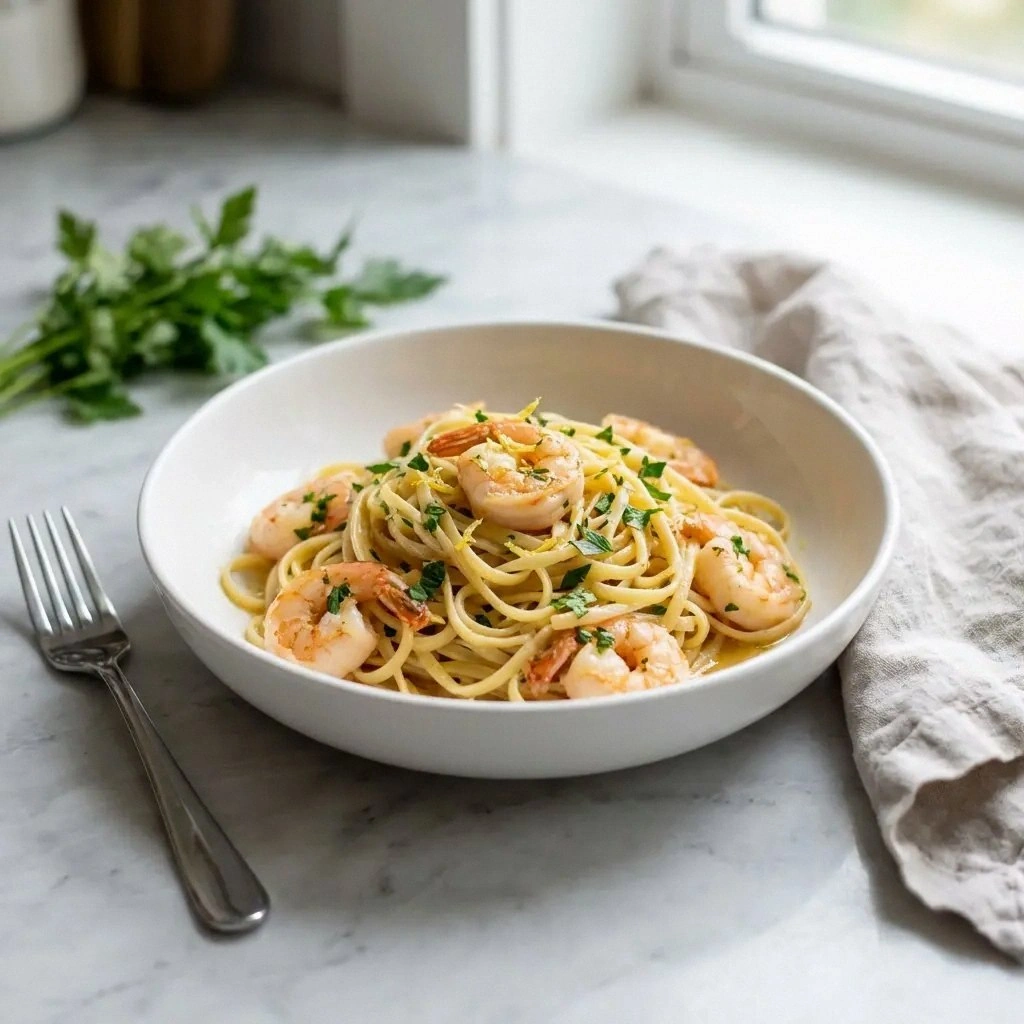
It started on a rainy Thursday when I was halfway through a week‑long cooking marathon, flipping a pan of pasta that seemed to have a mind of its own. The sauce was a sad, pale brown, the shrimp had turned rubbery, and the kitchen smelled like burnt garlic. I stared at the mess, wondering if I’d ever be able to salvage the dish. Then, in a moment of culinary desperation, I grabbed a handful of shrimp, a splash of white wine, and a generous knob of butter, and decided to give this recipe a shot. The result was a sauce that glistened like a freshly poured lacquer, the shrimp brightened to a perfect pink, and the pasta sat in a silky coat that clung to every strand. I laughed, because I’d just turned a potential disaster into a triumph, and I knew I had to share this revelation with anyone who’d ever stared at a ruined plate.
Picture the aroma that wafts up from the pan: a sharp, citrusy tang of lemon, undercut by the sweet, mellow scent of garlic sautéed in butter. The sound is a gentle hiss as the butter foams, the garlic turns translucent, and the shrimp sizzle as they hit the hot surface. The sight is a glossy, amber sauce that coats the pasta like velvet, speckled with bright green parsley and a subtle pop of red from the pepper flakes. The taste is a harmonious balance of briny shrimp, buttery richness, and a bright citrus lift that cuts through the heaviness of the sauce. The texture is a delightful contrast: tender, juicy shrimp, al dente pasta, and a sauce that clings without weighing down the dish.
What makes this version stand out from the countless shrimp pasta recipes out there is a deliberate orchestration of flavors and textures that I’ve refined over countless trials. I use a dry white wine to deglaze the pan, which not only lifts the fond but also adds a subtle acidity that brightens the entire dish. I reserve a splash of lemon juice for the very end, giving the sauce a final zing that wakes up the palate. The butter is added in stages, creating layers of richness that build depth without becoming cloying. The garlic is thinly sliced, allowing it to release its flavor slowly, and the red pepper flakes are added at the end to preserve their heat. Finally, a generous handful of fresh parsley not only adds color but also a burst of freshness that cuts through the richness.
I dare you to taste this and not go back for seconds. I’ve been known to devour half the batch before anyone else has a chance to try a bite. Most recipes get this completely wrong by overcooking the shrimp or using too much cream, but here, the shrimp are perfectly pink and the sauce stays silky. Picture yourself pulling this out of the pan, the whole kitchen smelling incredible, and a plate of pasta that looks like it’s been plated by a Michelin‑star chef. The moment the shrimp hit the pan, you’ll hear that satisfying sizzle, a cue that the dish is on the right track.
Let me walk you through every single step — by the end, you’ll wonder how you ever made it any other way. I’ll be honest, I’ve experimented with countless variations, but this is the version that truly shines. If you’ve ever struggled to get shrimp just right, you’re not alone — and I’ve got the fix. I’ll keep you side by side with me, sharing every little detail, every tweak, and every moment of triumph. This recipe is a playground, and I’m about to show you how to turn a simple dinner into a culinary masterpiece.
Before we dive into the cooking, let’s break down exactly what makes this dish a winner. I’ll walk you through the ingredients, the technique, and the secrets that make this sauce sing. And if you’re ready, we’ll jump straight into the action. Trust me, you’re in for a treat that will change the way you think about shrimp pasta forever.
Alright, let’s break down exactly what goes into this masterpiece…
What Makes This Version Stand Out
- Flavor Depth: The dry white wine deglazes the pan, lifting the browned bits and infusing the sauce with a subtle, complex acidity that balances the richness of butter and shrimp.
- Texture Contrast: Tender, juicy shrimp paired with al dente pasta creates a satisfying bite that keeps you coming back for more.
- Ingredient Simplicity: Only ten ingredients, all of which can be found in any grocery store, make this dish a quick yet impressive option for any night.
- Time Efficiency: The entire process takes less than an hour, yet the flavors develop deeply thanks to the layered cooking technique.
- Versatility: The sauce can be tweaked to suit dietary preferences—swap shrimp for scallops or add a splash of cream for a richer version.
- Make‑Ahead Potential: The sauce can be prepared ahead of time and reheated without losing its silky texture, making it ideal for entertaining.
- Crowd‑Pleaser: Friends and family rave about the buttery finish and the bright citrus lift, making it a guaranteed hit at dinner parties.
Inside the Ingredient List
The Flavor Base
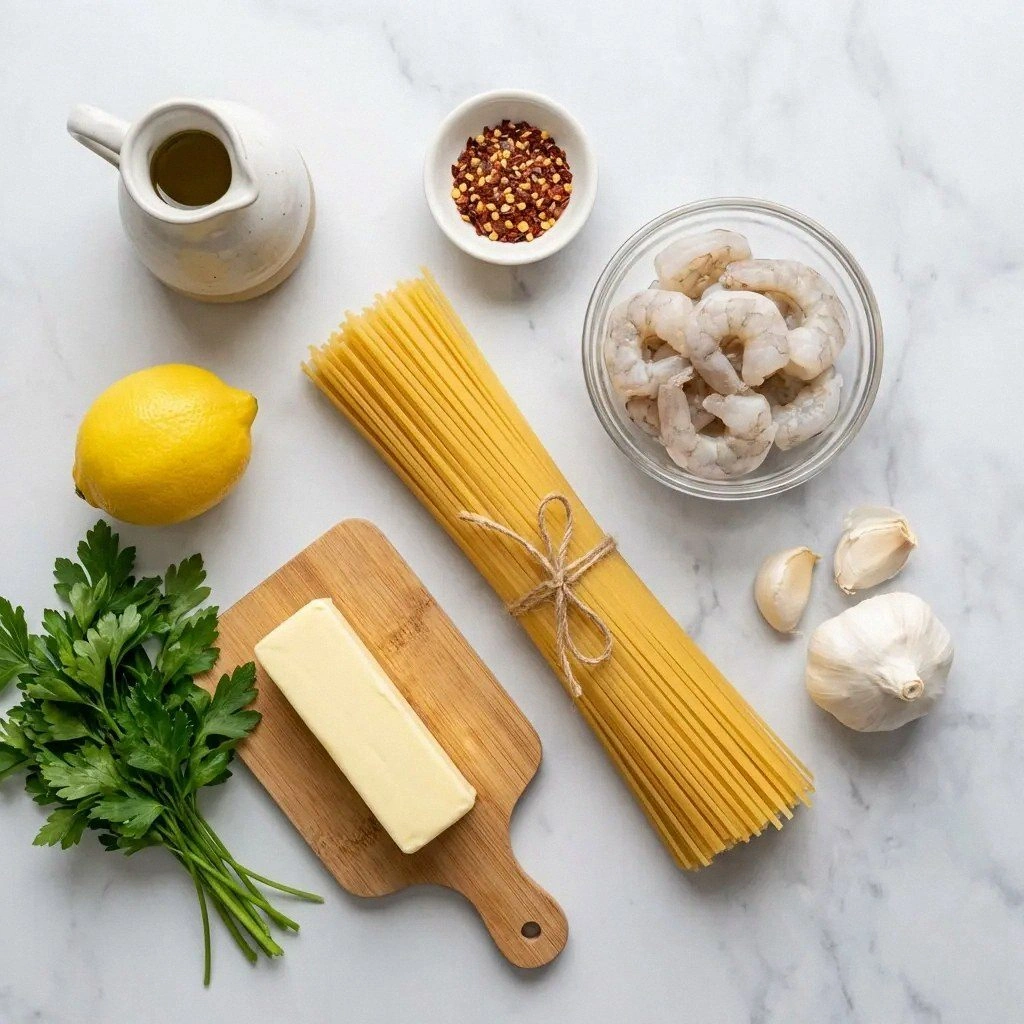
At the heart of this dish lies the classic combination of garlic and butter. The butter melts into a golden pool, creating a silky medium that carries the garlic’s aroma and the shrimp’s briny sweetness. Thinly sliced garlic releases its flavor slowly, preventing a harsh bite and allowing the sauce to develop a mellow, sweet undertone. The olive oil, though used sparingly, helps the garlic sauté evenly and prevents it from burning, ensuring a smooth, even flavor profile.
The Protein Powerhouse
Large shrimp are the star of this dish, offering a firm yet tender bite that holds up against the buttery sauce. When cooked properly, shrimp should be pink and slightly translucent, not rubbery or overcooked. The shrimp’s natural sweetness is amplified by the citrus and wine, creating a complex flavor that lingers on the palate. If you’re feeling adventurous, you can replace shrimp with scallops for a slightly sweeter, more delicate taste.
The Liquid Lift
Dry white wine is more than just a flavor enhancer; it acts as a deglazer, lifting the browned bits from the pan and incorporating them into the sauce. This technique not only adds depth but also helps prevent the sauce from becoming too thick. The wine’s acidity cuts through the richness of butter, creating a balanced, harmonious flavor profile that feels light yet satisfying.
The Final Flourish
Lemon juice and zest are added at the very end, providing a bright, zesty finish that wakes up the dish. Fresh parsley adds a pop of color and a subtle herbal note that complements the citrus. A pinch of red pepper flakes brings a gentle heat that lingers without overwhelming the delicate flavors. Together, these ingredients create a sauce that feels both indulgent and refreshing.
Everything’s prepped? Good. Let’s get into the real action…
The Method — Step by Step
- Bring a large pot of salted water to a rolling boil. Add the pasta and cook until it’s just shy of al dente, about 8–9 minutes. Drain the pasta, reserving a cup of the starchy cooking water for later. Toss the drained pasta with a splash of olive oil to keep it from sticking, then set aside on a warm plate.
- While the pasta cooks, pat the shrimp dry with paper towels. Season both sides with a pinch of salt and pepper. Heat a large skillet over medium-high heat and add the tablespoon of olive oil. Once the oil shimmers, add the shrimp in a single layer and let them sear for 2 minutes on one side before flipping. The shrimp should develop a golden crust before they finish cooking.
- Remove the shrimp from the skillet and set them aside on a plate. In the same pan, lower the heat to medium and add the butter. Let it melt until it turns a light golden brown, releasing a nutty aroma. This is the moment the sauce starts to develop its silky base.
- Add the thinly sliced garlic to the butter, cooking until it turns translucent and fragrant, about 30 seconds. Be careful not to let it brown; a burnt garlic will ruin the sauce’s delicate flavor. Once the garlic is ready, pour in the dry white wine, stirring to scrape up the browned bits. Let the wine reduce by half, which concentrates its flavors and creates a glossy base.
- Return the shrimp to the skillet and toss them gently to coat with the buttery wine mixture. Cook for an additional 1–2 minutes until the shrimp are pink and opaque. The sauce should have a silky sheen that coats the shrimp and the pasta.
- Add the cooked pasta back into the skillet, tossing it with the shrimp and sauce. If the mixture seems dry, drizzle in a few tablespoons of the reserved pasta water to help the sauce cling to every strand. Stir in the lemon zest, lemon juice, and red pepper flakes, allowing the citrus to brighten the dish instantly.
- Serve immediately, plating the pasta in shallow bowls or wide shallow pans. Garnish with a final dusting of parsley and a squeeze of fresh lemon juice if desired. The dish should look glossy, with shrimp nestled among the pasta and a bright green contrast from the parsley. Pair it with a crisp white wine or a chilled rosé for a complete dining experience.
That’s it — you did it. But hold on, I’ve got a few more tricks that’ll elevate this dish to an unforgettable level. Keep reading, because the next section will reveal secrets that even seasoned cooks can’t resist.
Insider Tricks for Flawless Results
The Temperature Rule Nobody Follows
Many people cook shrimp at a high temperature and overcook it, resulting in a rubbery texture. The trick is to keep the heat moderate, about medium‑high, and to flip the shrimp only once. This ensures that the shrimp stay tender and juicy. If you’re cooking in a large batch, it’s best to cook in two loads to avoid overcrowding the pan, which can steam the shrimp instead of searing them.
Why Your Nose Knows Best
As you cook, keep your nose close to the pan. The scent of butter and garlic will change from sweet to slightly nutty as the butter browns. When the garlic turns translucent, you’ll notice a subtle, almost floral aroma. This is a cue that the sauce is developing depth without burning. Trust your senses; they’re your best guide in the kitchen.
The 5‑Minute Rest That Changes Everything
After you’ve tossed the pasta with the sauce, let the dish sit for 5 minutes before serving. This short rest allows the flavors to meld, and the sauce to thicken slightly, creating a coat that clings to every strand. It also gives the shrimp a chance to finish cooking from residual heat, ensuring they’re perfectly pink. If you’re in a rush, skip the rest, but you’ll lose a subtle layer of flavor.
Keep the Pasta Warm
Instead of draining the pasta into a colander, place it directly into a warm bowl or a skillet with a splash of olive oil. This keeps the pasta from cooling down and becoming mushy. Warm pasta also absorbs the sauce better, resulting in a more cohesive dish. If you’re prepping ahead, you can keep the pasta warm in a low‑heat oven (around 200°F) until you’re ready to serve.
Use Fresh, Not Frozen Shrimp
Fresh shrimp have a bright, sweet flavor that’s hard to match. Frozen shrimp can be used, but thaw them slowly in the refrigerator overnight to preserve their texture. If you must use frozen shrimp, rinse them under cold water and pat them dry thoroughly before seasoning. A dry surface ensures a better sear and prevents excess steam from forming.
Balance the Salt
Seasoning is key to a harmonious dish. Start with a pinch of salt on the shrimp before cooking, then taste the sauce after the wine reduction. If it feels flat, add a tiny pinch of salt, but be careful not to overdo it. Salt amplifies all the flavors, but too much can mask the delicate sweetness of the shrimp and the brightness of the lemon.
Creative Twists and Variations
This recipe is a playground. Here are some of my favorite ways to switch things up:
Spicy Cajun Shrimp Pasta
Swap the red pepper flakes for a tablespoon of Cajun seasoning. Add diced bell peppers and a splash of hot sauce for an extra kick. The result is a bold, smoky dish that’s perfect for a summer barbecue.
Creamy Garlic Shrimp Pasta
For a richer sauce, add half a cup of heavy cream after the wine has reduced. Stir until the cream blends into a velvety sauce, then add the shrimp back in. This version feels like a decadent family dinner.
Vegetarian “Shrimp” Pasta
Replace shrimp with sliced mushrooms or tofu. Sauté them in the same buttery garlic sauce for a meaty texture. The dish remains comforting while catering to plant‑based diners.
Herb‑Infused Lemon Shrimp
Incorporate a handful of fresh basil or oregano during the final toss. The herbs add a fragrant, aromatic layer that complements the lemon zest. This variation is ideal for a Mediterranean vibe.
Low‑Carb Shrimp Linguine
Swap linguine for zucchini noodles or shirataki noodles. The sauce still clings beautifully, and the dish becomes a lighter, low‑carb option for calorie‑conscious palates.
Breakfast‑Style Shrimp Pasta
Serve the dish with a poached or fried egg on top. The runny yolk adds a silky richness that turns the dinner into a brunch favorite. It’s a creative way to use up leftover shrimp.
Storing and Bringing It Back to Life
Fridge Storage
Store the sauce and shrimp separately in airtight containers. Keep the pasta in a separate container to avoid it becoming soggy. When you’re ready to eat, reheat the sauce and shrimp in a skillet over medium heat, then toss with freshly cooked pasta. This method preserves the sauce’s silky texture.
Freezer Friendly
Freeze the sauce and shrimp in a freezer‑safe container for up to three months. When reheating, thaw overnight in the refrigerator, then gently warm on the stove. Add a splash of pasta water or a bit of olive oil to restore the sauce’s consistency.
Best Reheating Method
Heat the dish slowly over low heat, stirring frequently. Add a tiny splash of water or broth to keep the sauce from drying out. Finish with a squeeze of fresh lemon juice to revive the bright, citrusy notes.
Refrigerate for Up to 24 Hours
Keep the dish chilled in the refrigerator if you’re planning to eat it the next day. The flavors will deepen, and the sauce will thicken slightly, creating a more robust taste when reheated.