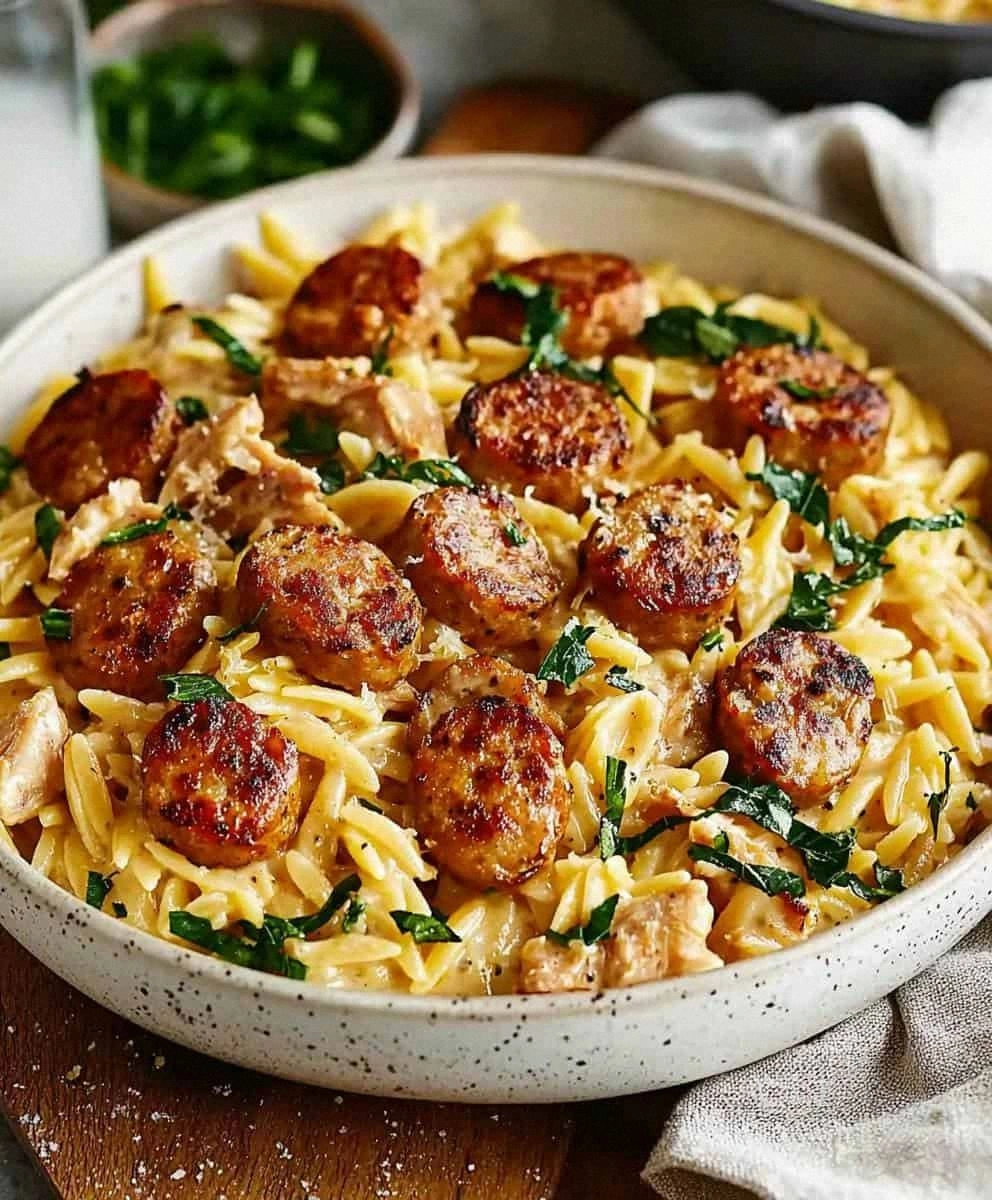
I’ve spent the last decade chasing the perfect comfort dish, and I finally stumbled upon a recipe that feels like a hug in a bowl. Picture this: the kitchen is a symphony of sizzling, the air thick with the scent of garlic, lemon, and a hint of butter; the sound of a pan crackling is music to my ears. I was standing there, spoon in hand, feeling the heat from the skillet, and the anticipation was almost tangible. This dish isn’t just a meal; it’s a revelation that turns a simple dinner into a celebration. It’s the kind of recipe that makes you question why you ever settled for anything less.
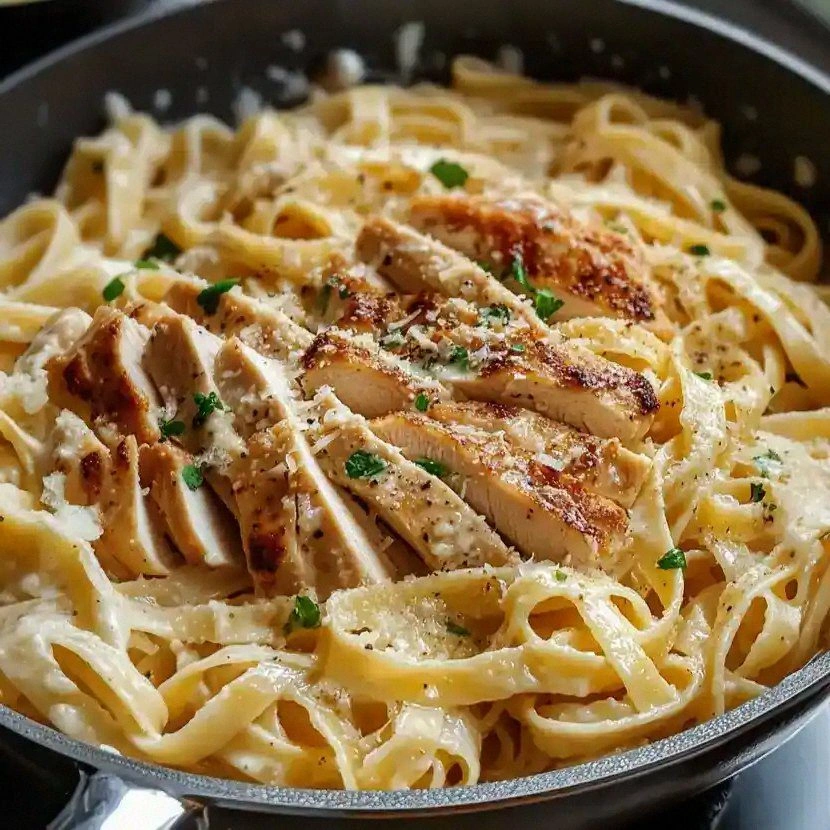
The first time I tasted it, I was stunned by the silky sauce that clung to every strand of pasta, coating it like velvet. The lemon’s bright zest cuts through the richness, delivering a citrusy punch that awakens the palate. The garlic, caramelized to a golden brown, adds depth and warmth that lingers on the tongue. The chicken, tender and juicy, is the star that anchors the dish, offering a protein-packed punch that satisfies without overpowering. The final flourish of Parmesan and fresh herbs elevates it to a culinary masterpiece.
Most recipes I’ve tried in the past either over-sauté the garlic or under-season the chicken, resulting in a bland or dry outcome. I dared myself to experiment with a technique that many overlook: letting the garlic sear just until it’s fragrant, then deglazing the pan with lemon juice to capture every flavor. The result is a sauce that’s both glossy and flavorful, with a bright acidity that balances the cream’s richness. This approach turns a simple pasta into a dish that feels sophisticated and comforting in equal measure. I can’t wait to walk you through every step, so by the end, you’ll wonder how you ever made it any other way.
Let me walk you through every single step — by the end, you'll wonder how you ever made it any other way. I’ve tested this recipe dozens of times, tweaking each element until it’s flawless. My friends keep asking for the secret, and I’m about to reveal it all. The journey from raw ingredients to a plated masterpiece is as exciting as the final bite. So grab your apron, and let’s dive into the magic of creamy lemon garlic chicken pasta.
What Makes This Version Stand Out
- Flavor: The sauce balances the sharp brightness of lemon with the deep umami of Parmesan, creating a layered taste that dances on the tongue. The garlic is caramelized to a sweet, nutty finish, preventing the usual sharp bite. The subtle kick from red pepper flakes adds a whisper of heat that enhances every bite.
- Texture: The cream turns into a silky coating that clings to each noodle, while the chicken remains juicy and tender. The pasta is cooked al dente, providing a satisfying bite that complements the sauce’s thickness. The final sprinkle of herbs adds a gentle crunch and a fresh burst of flavor.
- Ease: With only 12 minutes of prep and 30 minutes of cooking, this dish fits perfectly into a busy weeknight routine. Every ingredient is pantry-friendly, and the steps are straightforward, so you won’t get lost in a maze of techniques. The recipe is designed to be approachable for both novice cooks and seasoned chefs.
- Versatility: The sauce can be adapted to a range of dietary needs—use a dairy-free cream or a gluten-free pasta to keep it inclusive. Swap the chicken for shrimp or tofu for a different protein profile. The lemon and garlic base works wonderfully with a variety of vegetables, making it a flexible foundation.
- Presentation: The dish looks as good as it tastes, with a glossy, golden sauce and a bright splash of lemon zest that adds visual flair. The fresh herbs give a pop of color, making it Instagram-ready. The plated portion is generous enough to satisfy a crowd or a cozy dinner.
- Make‑ahead Potential: The sauce can be prepared ahead and reheated without losing its silky quality. The pasta can be tossed in olive oil to prevent sticking before serving. The chicken can be cooked in advance and reheated, saving you valuable time on busy days.
- Ingredient Quality: Each component is chosen for its flavor impact—fresh lemon juice, high‑fat heavy cream, and freshly grated Parmesan. The choice of boneless, skinless chicken breasts ensures tenderness and a clean, lean protein source. The use of fresh herbs rather than dried keeps the dish vibrant.
Inside the Ingredient List
The Flavor Base
Olive oil and butter form the fragrant foundation of the sauce, each adding distinct layers of flavor. The olive oil provides a subtle fruitiness, while the butter lends a rich, velvety mouthfeel. Together, they create a balanced base that supports the garlic and lemon without overpowering them. Using both fats ensures the sauce emulsifies smoothly, preventing separation.
The Texture Crew
The pasta is the canvas that carries the sauce; choose a shape that holds liquid well, like fettuccine or penne. The heavy cream gives the sauce a luxurious thickness, while the Parmesan cheese adds a natural thickening agent as it melts. The small amount of pasta water helps adjust consistency, ensuring the sauce coats the noodles evenly. The chicken’s juicy texture contrasts beautifully with the creamy sauce, creating a satisfying bite.
The Unexpected Star
Lemon zest is the secret weapon that gives this dish its bright, refreshing character. Unlike lemon juice, zest contains essential oils that deliver a pure citrus punch without acidity. It adds a subtle aroma that elevates the entire dish, making each spoonful feel lively. The red pepper flakes provide a gentle heat that keeps the sauce from feeling too sweet.
The Final Flourish
Fresh parsley or basil adds a burst of green that balances the richness of the sauce. The herbs also bring a fresh, slightly peppery note that lifts the overall flavor profile. Adding them at the end preserves their bright color and aromatic oils. A squeeze of lemon juice at the finish brightens the dish, making it feel complete.
Everything's prepped? Good. Let's get into the real action.
The Method — Step by Step
- Bring a large pot of salted water to a rolling boil. Add the pasta and cook until al dente, about 8–10 minutes, depending on the shape. Reserve a cup of pasta water before draining; it will help adjust sauce consistency later. While the pasta cooks, set a large skillet over medium heat and let it warm up. This ensures even cooking and prevents sticking.
- Add the olive oil to the skillet, swirling to coat the bottom. Once the oil shimmers, drop in the chicken breasts. Sear each side for 3–4 minutes until a golden crust forms and the internal temperature reaches 165°F. Flip the chicken only once to maintain moisture. As the chicken cooks, the aroma of seared meat will fill the kitchen, creating a mouthwatering backdrop.
- Remove the chicken from the skillet and set it aside on a plate. In the same pan, lower the heat to medium-low and add the butter. Let the butter melt completely, then add the minced garlic. Sauté the garlic for 1–2 minutes until it turns golden and fragrant, but not browned. This step creates a sweet, nutty base that anchors the sauce.
- Add the lemon zest to the skillet, stirring to release its oils. Then pour in the fresh lemon juice and deglaze the pan, scraping up any browned bits. These bits are flavor gold, adding depth to the sauce. Let the mixture simmer for 2 minutes to reduce slightly and meld the flavors together.
- Reduce the heat to low and pour in the heavy cream, swirling to combine. Stir continuously to prevent the cream from scorching. As the cream heats, it will thicken and coat the back of a spoon, indicating it's ready for the next step. The sauce should have a silky, glossy appearance that invites you to taste.
- Return the chicken to the skillet, nestling it into the sauce. Sprinkle the red pepper flakes, salt, and black pepper over the top. Let everything simmer together for 3 minutes, allowing the chicken to absorb the sauce and the flavors to meld. The chicken will finish cooking while the sauce thickens to a luxurious consistency.
- Add the drained pasta to the skillet, tossing gently to coat each strand with the sauce. If the sauce seems too thick, pour in a splash of reserved pasta water, a tablespoon at a time, until it reaches your desired consistency. Stir in the grated Parmesan cheese, letting it melt into the sauce for a velvety finish. The pasta should be coated, glossy, and fragrant.
- Remove the skillet from heat and sprinkle the fresh parsley or basil over the top. Give the dish one final toss to distribute the herbs evenly. Plate the pasta, ensuring each forkful contains a generous amount of chicken and sauce. Serve immediately, allowing the warmth to carry the flavors forward. That sizzle when it hits the pan? Absolute perfection.
That’s it — you did it. But hold on, I've got a few more tricks that'll take this to another level.
Insider Tricks for Flawless Results
The Temperature Rule Nobody Follows
Many cooks keep the sauce on high heat, which can cause the cream to curdle. I recommend turning the heat down to low once the cream is added, allowing the sauce to thicken without scorching. This slow simmer preserves the silky texture and prevents a grainy finish. The result is a sauce that feels luxurious in every bite.
Why Your Nose Knows Best
Before adding the lemon juice, give the pan a quick sniff. If the aroma feels flat, it’s a sign you need more garlic or zest. Your nose is a reliable indicator of flavor balance; a bright, citrusy scent signals that the dish is on track. If it smells too sharp, let it simmer a bit longer to mellow the acidity.
The 5-Minute Rest That Changes Everything
After removing the pasta from the skillet, let it rest for 5 minutes before serving. This short pause allows the sauce to thicken slightly and the flavors to marry. The rest also prevents the pasta from drying out while you finish plating. A quick rest is a simple step that elevates the dish from good to unforgettable.
Use a Shallow Pan for Even Cooking
A shallow, wide skillet ensures the sauce spreads evenly and reduces the risk of hot spots. This uniform heat distribution keeps the chicken tender and the sauce from scorching. When you can see the entire surface, you can easily monitor the sauce’s consistency.
Let the Chicken Rest Before Cutting
Once the chicken is cooked, let it rest for a few minutes before slicing. This allows the juices to redistribute, keeping the meat moist. Slicing too soon can cause the meat to dry out, resulting in a less satisfying bite. A short rest is a quick win that pays off.
Finish with a Splash of Butter
Right before serving, swirl in a tablespoon of butter into the sauce. The butter adds a glossy sheen and a subtle richness that ties everything together. It also helps the Parmesan melt more smoothly. The finish is silky, bright, and utterly indulgent.
Creative Twists and Variations
This recipe is a playground. Here are some of my favorite ways to switch things up:
Garlic Parmesan Chicken
Replace the lemon zest with a generous sprinkle of garlic powder for a deeper, earthier flavor. Add an extra tablespoon of Parmesan to intensify the cheese note. The result is a comforting, savory dish that pairs well with a crisp green salad. It’s perfect for those who prefer a more classic, Italian-inspired taste.
Spicy Cajun Kick
Swap the red pepper flakes for a pinch of cayenne pepper and a dash of Cajun seasoning. This adds a smoky, spicy undertone that complements the creamy sauce. The chicken will have a bold, zesty bite, making it ideal for fans of heat. Serve over rice instead of pasta for a hearty, one-pan meal.
Veggie‑Rich Powerhouse
Add a handful of sautéed spinach or sun‑dried tomatoes to the sauce for extra nutrition and color. The greens soften nicely in the cream, while the tomatoes add a sweet, tangy burst. This variation is great for a balanced meal that’s both filling and health‑conscious. It’s a wonderful way to sneak in vegetables.
Gluten‑Free Delight
Use a gluten‑free pasta variety, such as rice or quinoa noodles, to keep the dish safe for those with celiac disease. The texture of the gluten‑free pasta holds the sauce well, maintaining the dish’s integrity. Pair it with a side of roasted vegetables for a complete, wholesome dinner. This version is just as indulgent as the original.
Seafood Surprise
Replace the chicken with shrimp or scallops for a lighter, ocean‑flavored twist. Cook the seafood in the sauce for just 2–3 minutes until pink and opaque. The lemon and garlic pair beautifully with the briny flavor of the sea. This option is perfect for a quick, upscale dinner.
Low‑Carb Edition
Swap the pasta for spiralized zucchini or shirataki noodles to reduce carbs dramatically. The noodles absorb the sauce nicely, giving you the same creamy texture with fewer calories. This version is ideal for those on keto or low‑carb diets. It still feels indulgent without the guilt.
Storing and Bringing It Back to Life
Fridge Storage
Store leftovers in an airtight container in the refrigerator for up to 3 days. The sauce may thicken upon cooling, so add a splash of milk or cream when reheating to restore its silky consistency. Reheat gently over low heat, stirring frequently to prevent separation. Serve immediately for the best flavor and texture.
Freezer Friendly
Divide the dish into portioned containers and freeze for up to 2 months. When ready to eat, thaw overnight in the refrigerator and reheat slowly over low heat, stirring in a little pasta water to loosen the sauce. The flavor remains robust, and the texture stays creamy. Freezing is a convenient way to have a gourmet meal on hand.
Best Reheating Method
Reheat in a skillet on medium-low heat, adding a small amount of water or broth to prevent the sauce from drying. Stir continuously until the sauce is hot and silky again. The key is to keep the heat gentle to preserve the cream’s texture. Once reheated, garnish with fresh herbs for a fresh finish.