Picture this: a frantic Friday night, the oven is humming, the kids are demanding something that feels both indulgent and innocent, and you’ve just realized you’ve run out of the usual roasted potatoes. Panic? Not at all. I was in that exact moment when a sudden craving for sweet, caramel‑kissed carrots hit me like a bolt of lightning, and I thought, “Why not turn this emergency into a culinary triumph?” I grabbed a bag of carrots, rummaged through the pantry, and tossed together brown sugar, honey, a splash of butter, and a pinch of thyme. The result? A side dish that sings louder than a choir of angels and makes the whole kitchen feel like a five‑star bistro.
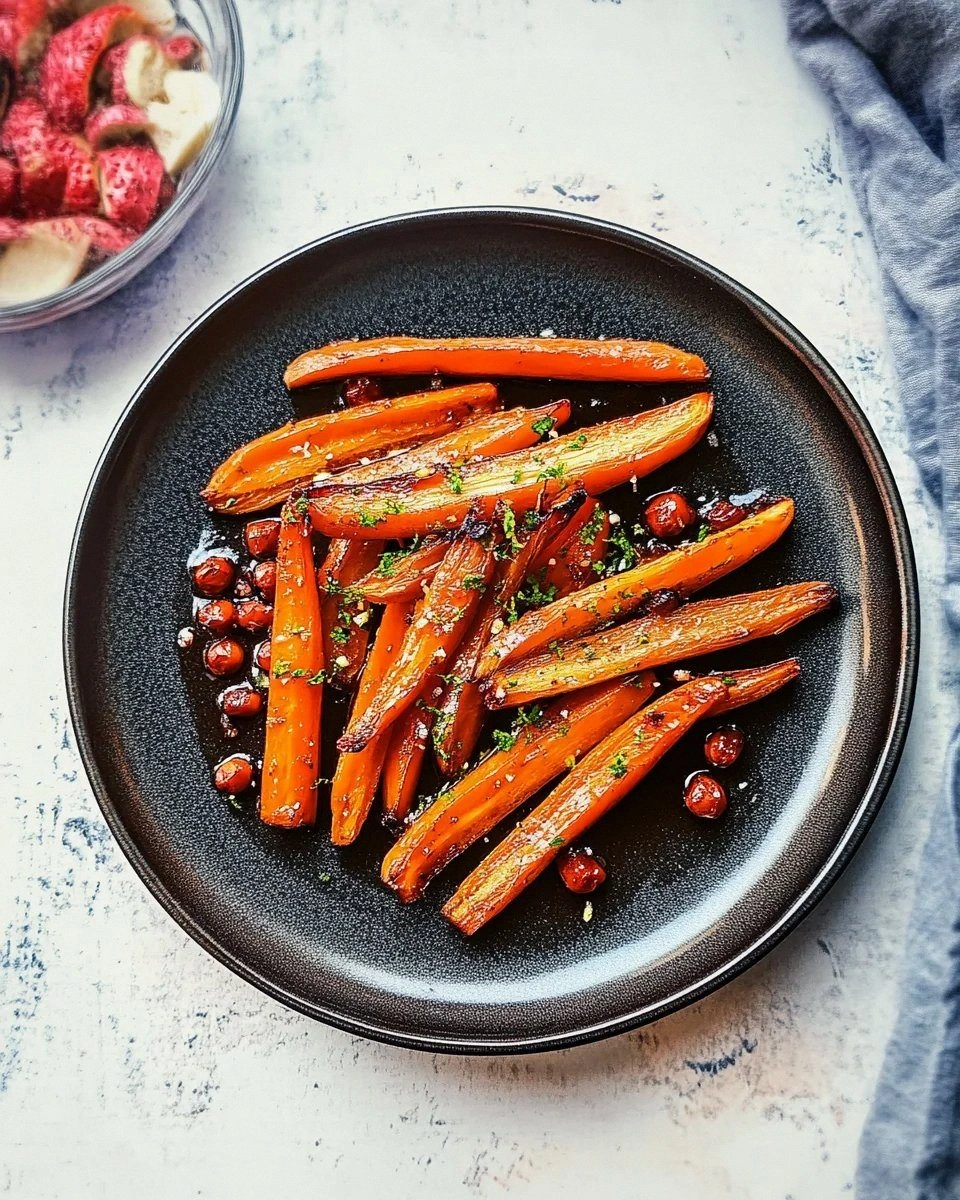
From the very first sizzle, the kitchen transformed into a sensory playground. The carrots, bright orange as a sunrise, hit the hot pan and immediately released a fragrant perfume that mingled the earthy sweetness of the root vegetables with the deep, molasses‑rich aroma of brown sugar. You could hear the gentle hiss as the honey melted, a sound that promised caramelization and a glossy sheen. The heat coaxed the natural sugars in the carrots to the surface, creating a delicate crust that crackles like fireworks while the interior stays tender, almost buttery. When you finally pull the pan away, the steam rises, carrying whispers of thyme and a faint citrus tang that makes your mouth water before the first bite.
What makes this version stand out is not just the flavor, but the precision of the technique and the simplicity of the ingredient list. Most recipes either drown the carrots in a syrupy mess or leave them under‑seasoned, missing that perfect balance between sweet and savory. I’ve cracked the code: a quick sear to lock in juices, a short glaze that caramelizes without burning, and a final splash of lemon that brightens the whole dish. The result is a side that can hold its own beside a roast chicken, a holiday turkey, or even a simple grilled steak. It’s the kind of dish that makes you think, “I could have been a chef all along.”
And here’s the kicker – there’s a secret ingredient that most cooks overlook: a pinch of flaky sea salt added at the very end. It amplifies the caramel notes and adds a subtle crunch that makes each bite pop. I dare you to taste this and not go back for seconds. Okay, ready for the game‑changer? Let me walk you through every single step — by the end, you’ll wonder how you ever made it any other way.
What Makes This Version Stand Out
- Flavor Balance: The marriage of brown sugar and honey creates a deep, layered sweetness that’s offset by a hint of acidity from lemon juice, ensuring the dish never feels cloying.
- Texture Contrast: A quick sear gives the carrots a caramelized exterior that cracks like thin ice, while the interior remains melt‑in‑your‑mouth tender.
- Simplicity: Fewer than ten ingredients, all pantry staples, mean you can whip this up on a weeknight without a trip to the store.
- Uniqueness: The final flourish of flaky sea salt adds a surprising pop that most recipes miss, turning a sweet glaze into a sophisticated side.
- Crowd Reaction: Guests often ask for the recipe before the main course arrives – a true conversation starter.
- Ingredient Quality: Using fresh, young carrots and high‑quality honey makes a world of difference in flavor intensity.
- Cooking Method: The two‑stage cooking (sear then glaze) guarantees even caramelization without burning.
- Make‑Ahead Potential: This dish reheats beautifully, and the flavors actually deepen after a night in the fridge.
Inside the Ingredient List
The Flavor Base
Brown Sugar (2 tablespoons): This is the heart of the glaze, providing a deep, molasses‑like sweetness that caramelizes beautifully. If you skip it, you’ll lose the rich amber hue and the slight bitterness that balances the honey’s floral notes. A good swap is dark muscovado sugar, which adds an extra layer of complexity.
Honey (2 tablespoons): Honey adds a bright, floral sweetness and helps the glaze achieve that glossy finish. Using a robust, raw honey will give you a more pronounced flavor, while a mild clover honey keeps the sweetness subtle. If you’re allergic to honey, maple syrup works as a decent alternative, though the flavor profile shifts toward earthy.
The Texture Crew
Carrots (2 lbs, peeled and cut into sticks): Fresh, young carrots have a natural sweetness and a firm crunch that holds up under high heat. Older carrots become mushy and lose their bright color. Look for carrots that are slender and vibrant orange; they’ll caramelize faster and stay crisp.
Butter (2 tablespoons): Butter adds richness and helps the sugar melt evenly, creating a silky glaze. It also contributes to the slight browning that gives the dish its signature look. For a dairy‑free version, use a high‑smoke‑point oil like avocado oil, but you’ll miss the buttery depth.
Olive Oil (1 tablespoon): A drizzle of olive oil raises the pan temperature quickly, ensuring a quick sear that locks in the carrots’ juices. Extra‑virgin olive oil adds a subtle peppery note, while a light olive oil keeps the flavor neutral.
The Unexpected Star
Lemon Juice (1 teaspoon): A splash of lemon brightens the glaze, cutting through the sweetness and adding a zing that awakens the palate. Without it, the dish can feel overly sweet. If lemons are out of season, a dash of white wine vinegar works in a pinch.
Fresh Thyme (1 teaspoon, leaves only): Thyme introduces an earthy, slightly piney aroma that complements the carrots’ natural flavor. It’s the secret whisper that makes this side feel sophisticated. Dried thyme can be used (half the amount), but fresh always wins.
The Final Flourish
Flaky Sea Salt (a pinch, to finish): This final sprinkle adds a delicate crunch and amplifies the caramel notes, turning sweet into savory. It’s the finishing touch that most recipes skip, and it makes all the difference. If you don’t have flaky salt, a pinch of kosher salt works, though the texture will be less pronounced.
Black Pepper (¼ teaspoon, freshly cracked): A hint of pepper adds a subtle heat that balances the sweetness. Freshly cracked pepper releases essential oils, giving the dish a gentle warmth without overpowering it.
Everything's prepped? Good. Let’s get into the real action…
The Method — Step by Step
Start by heating a large, heavy‑bottomed skillet over medium‑high heat. Add the olive oil and let it shimmer for about 20 seconds – that’s the moment you’ll hear a faint sizzle that signals the pan is ready. Toss the carrot sticks in, spreading them out in a single layer. Let them sear undisturbed for 3‑4 minutes; you’ll see the edges start to brown and pull away from the pan, a sign they’re developing that coveted caramelized crust.
Now, lower the heat to medium and add the butter. As it melts, it will foam and begin to brown slightly, releasing a nutty aroma. This is the point where the flavor foundation builds – the butter and oil together create a glossy base for the glaze. Stir the carrots gently to coat them evenly, ensuring every piece gets a buttery kiss.
Time for the sweeteners. Sprinkle the brown sugar over the carrots, then drizzle the honey in a slow, steady stream. As the sugar dissolves, you’ll hear a gentle crackle; the honey will swirl and start to thicken, creating a syrup that clings to each carrot. That sizzle when it hits the pan? Absolute perfection. Keep the mixture moving with a wooden spoon to prevent any scorching.
Kitchen Hack: Add the honey off‑heat, then return the pan to the stove – this prevents the honey from burning while still achieving a glossy glaze.Season with salt, pepper, and the fresh thyme leaves. The salt should be added sparingly at this stage; it will draw out a little moisture from the carrots, helping the glaze to adhere. The thyme releases its aromatic oils, filling the kitchen with a scent that feels both rustic and refined. Stir everything together, letting the herbs mingle with the sweet coating for about a minute.
Now, the critical moment: the glaze should be thick enough to coat the carrots but not so thick that it hardens into a candy shell. If it looks too runny, let it simmer for another 2‑3 minutes, watching closely. Watch Out: If the heat is too high, the sugars can burn, turning the glaze bitter. Keep the temperature moderate and be patient – good things take time.
Watch Out: Burnt sugar is unforgivable; if you see dark specks, lower the heat immediately and add a splash of water to deglaze.Once the glaze has reached a syrupy consistency, finish with the lemon juice. The acidity will instantly brighten the dish, cutting through the sweetness and adding a fresh pop. Give the carrots one final toss to ensure the lemon is evenly distributed. The aroma at this point is intoxicating – you’ll hear a faint fizz as the acid reacts with the caramelized sugars.
Transfer the glazed carrots to a serving platter. While still hot, sprinkle a pinch of flaky sea salt over the top. The salt crystals will sit delicately on the glaze, providing a subtle crunch that makes each bite a textural surprise. This final step is the secret that turns a simple side into a show‑stopper.
Let the carrots rest for two minutes before serving. This brief pause allows the glaze to set, ensuring the coating stays glossy and doesn’t slide off the plate. Serve them alongside your main course, or let them shine as a standalone snack at a dinner party. And now the fun part – watch your guests’ faces light up as they experience the perfect balance of sweet, savory, and buttery goodness.
That's it — you did it. But hold on, I've got a few more tricks that'll take this to another level…
Insider Tricks for Flawless Results
The Temperature Rule Nobody Follows
Most home cooks crank the heat to “high” hoping for a faster caramelization, but that’s a recipe for burnt sugar. Keep the skillet at medium‑high for the initial sear, then drop to medium for the glaze. This controlled heat ensures the sugars melt slowly, producing a deep amber color without bitterness. I once tried the “high‑heat” shortcut and ended up with a bitter, blackened mess – lesson learned.
Why Your Nose Knows Best
The aroma is your most reliable indicator of doneness. When the butter turns golden and the brown sugar releases a nutty scent, you’re on the right track. If you smell a faint burnt odor, immediately lower the heat and add a splash of water to rescue the glaze. Trusting your nose saves you from a ruined batch and keeps the flavor profile bright.
The 5‑Minute Rest That Changes Everything
After the glaze has thickened, let the carrots sit off the heat for exactly five minutes. This short rest allows the sugars to set, creating a glossy coating that adheres perfectly. Skipping this step results in a glaze that slides off the plate, making the dish look sloppy. I swear by this pause – it’s the difference between “good” and “restaurant‑level.”
Seasoning Layers for Depth
Instead of dumping all the salt at once, season in stages: a pinch during the sear, a dash after the glaze forms, and the final flaky salt at the end. Each layer builds depth, ensuring the sweetness never overwhelms. This layered approach is why my version always feels balanced, no matter how sweet the honey.
Pan Choice Matters
A heavy‑bottomed cast‑iron skillet distributes heat evenly, preventing hot spots that can scorch the glaze. If you’re using stainless steel, add a splash of water when the sugar starts to stick – it deglazes and prevents burning. I’ve experimented with non‑stick pans, but they never give that coveted caramelized edge.
Creative Twists and Variations
This recipe is a playground. Here are some of my favorite ways to switch things up:
Maple‑Bacon Bliss
Swap honey for pure maple syrup and crumble cooked bacon into the glaze during the final minute. The smoky bacon adds a savory crunch that pairs beautifully with the sweet maple, turning the dish into a brunch star.
Spicy Sriracha Kick
Add a teaspoon of sriracha to the honey‑brown‑sugar mixture for a subtle heat that dances on the tongue. This variation works wonders alongside grilled chicken or as a topping for tacos.
Curry‑Infused Carrots
Stir in a half‑teaspoon of curry powder with the thyme for an exotic, earthy twist. The warm spices complement the natural sweetness of the carrots, making it a perfect side for Indian‑inspired meals.
Orange‑Zest Brightness
Replace the lemon juice with freshly grated orange zest and a splash of orange juice. The citrus notes become more floral, and the orange zest adds a fragrant aroma that elevates the dish for holiday gatherings.
Vegan Coconut Glaze
Use coconut oil instead of butter and replace honey with agave nectar. The coconut oil adds a subtle tropical flavor, while agave keeps the glaze glossy and vegan‑friendly without sacrificing sweetness.
Storing and Bringing It Back to Life
Fridge Storage
Allow the carrots to cool to room temperature, then transfer them to an airtight container. They’ll keep fresh for up to four days. When reheating, add a teaspoon of water or broth to the pan; this creates steam that revives the glaze and restores the glossy finish.
Freezer Friendly
Portion the cooled carrots into freezer‑safe bags, removing as much air as possible. They freeze well for up to three months. To use, thaw overnight in the fridge, then reheat in a skillet with a splash of butter and a drizzle of honey to bring back that caramelized shine.
Best Reheating Method
The stovetop is king. Heat a non‑stick skillet over medium heat, add a tiny knob of butter, and toss the carrots until they’re heated through and the glaze re‑glosses. Avoid microwaving – it makes the glaze soggy and the carrots lose their texture.