I was in the middle of a rainy Saturday binge‑watching old sitcom reruns when my roommate dared me to create the ultimate “millionaire’s shortbread” without a single animal product. I laughed, I scoffed, and I whispered, “Challenge accepted.” The kitchen quickly turned into a battlefield of whirring mixers, sizzling pans, and the occasional frantic search for the elusive freeze‑dried raspberries that I had hidden in the back of the pantry. The air was thick with the buttery scent of melted vegan butter, the sharp zing of lemon juice, and the sweet promise of caramel that seemed to whisper, “You’re about to make something unforgettable.”
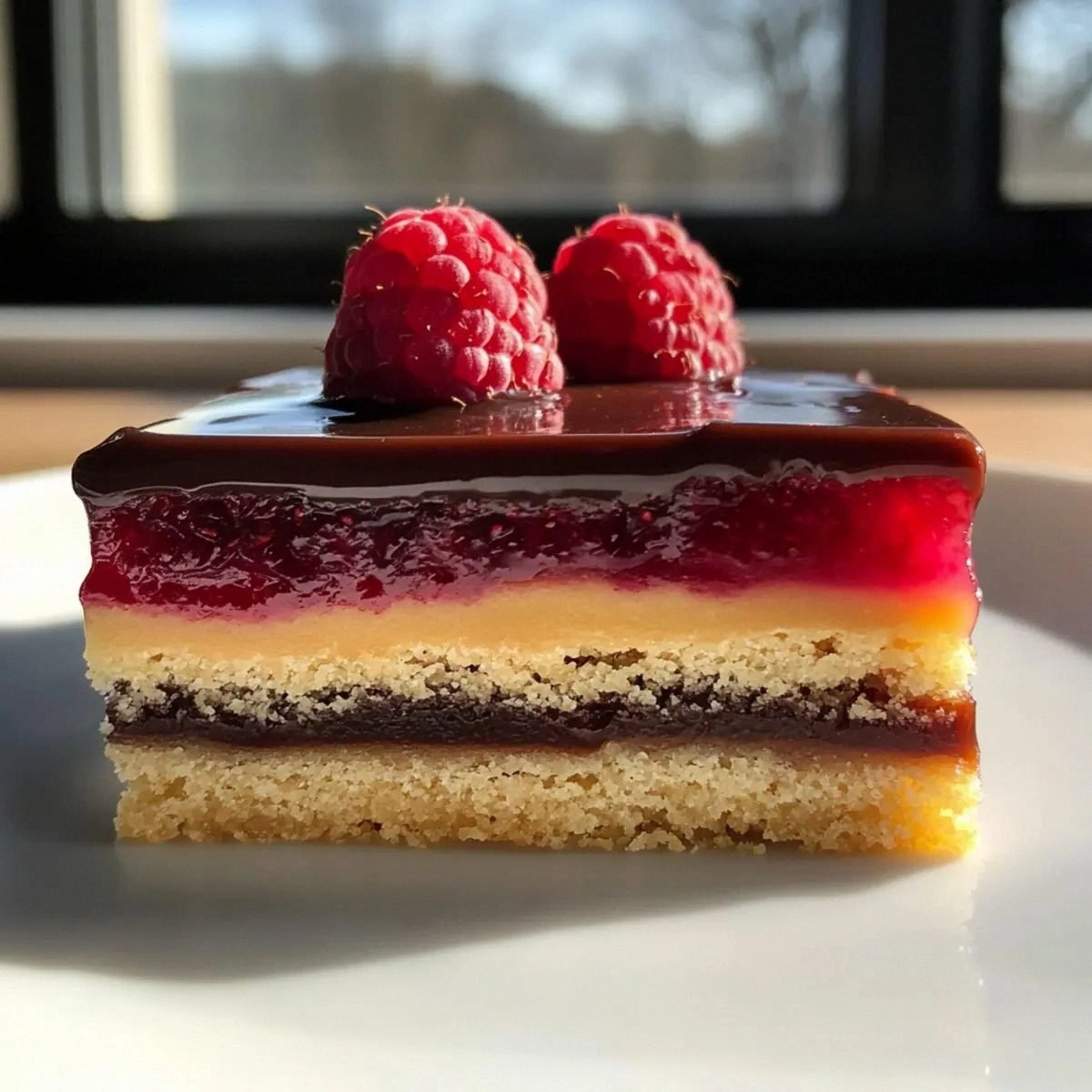
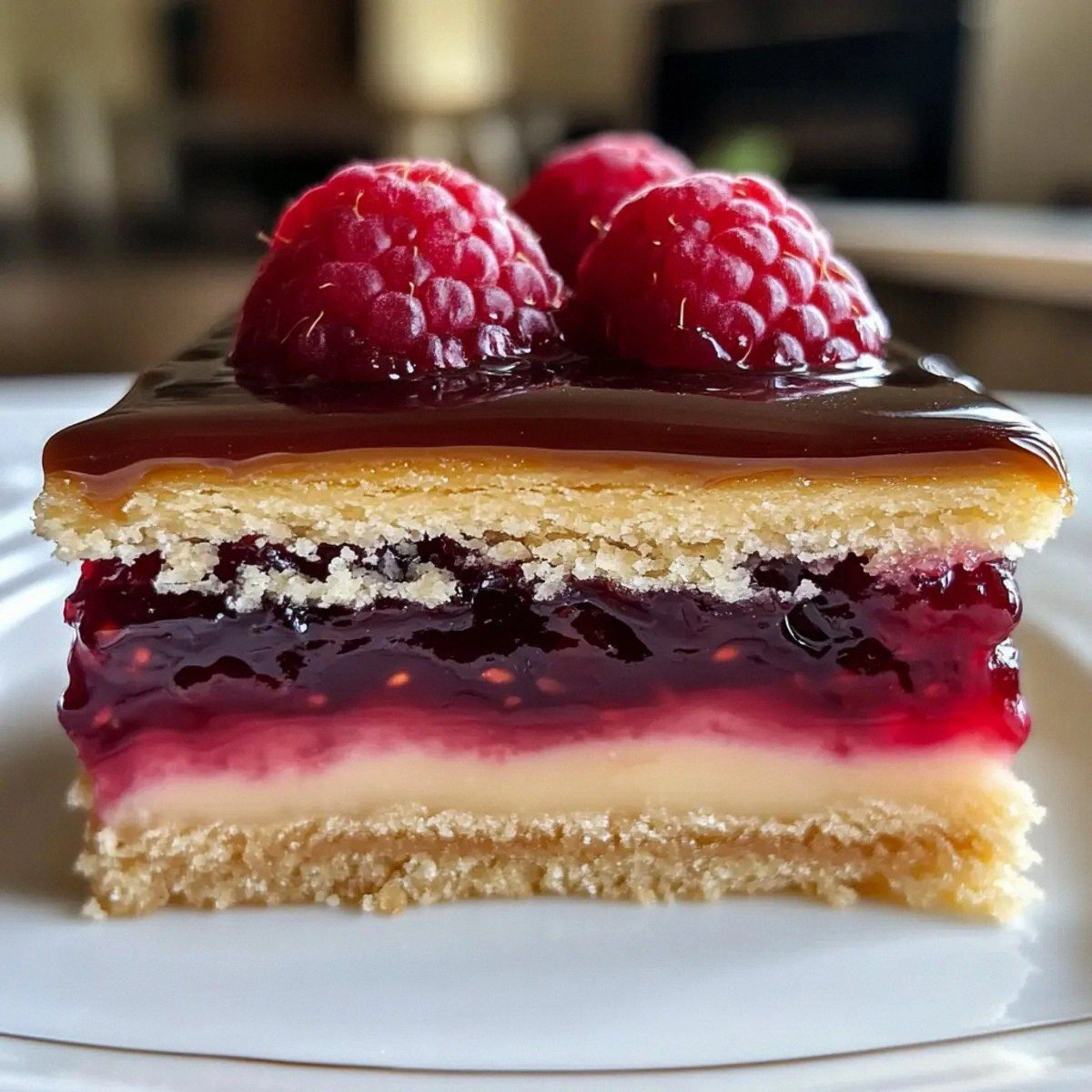
Picture this: a golden‑brown shortbread crust that crumbles like a dream when you bite into it, a glossy raspberry‑caramel layer that glistens like a jewel‑encrusted river, and a silky chocolate top that cracks with a satisfying snap, revealing a hidden treasure of freeze‑dried raspberries that burst with flavor. The whole thing smells like a spring garden after a summer rain, with hints of toasted almond, warm maple, and a faint, intoxicating hint of vanilla that makes your nose do a little happy dance. The texture? Imagine the buttery melt of a classic shortbread meeting the gooey pull of caramel, all wrapped in a luxurious chocolate coat that’s as smooth as a silk scarf on a windy day.
Most recipes for millionaire’s shortbread either skimp on the caramel, use dairy‑laden butter, or end up with a soggy mess that looks more like a sad pancake than a decadent treat. I’ve tried the “quick‑fix” versions that call for pre‑made caramel sauce, and let me tell you, they’re about as exciting as watching paint dry. This version, however, takes the time to build layers of flavor from the ground up, using only the finest plant‑based ingredients. The secret? A clever combination of agar‑agar for that perfect set, cashew butter for a rich, nutty backbone, and a splash of maple syrup that adds depth without overwhelming sweetness.
I’m about to reveal a technique that most home bakers overlook: the “double‑chill” method, where the shortbread base gets a quick chill before the caramel even thinks about setting, ensuring a crisp edge that holds up to the weight of the luscious filling. I dare you to taste this and not go back for seconds. Okay, ready for the game‑changer? Let me walk you through every single step — by the end, you’ll wonder how you ever made it any other way.
What Makes This Version Stand Out
- Flavor Depth: The caramel isn’t just sugar and butter; it’s a symphony of fresh raspberries, lemon juice, and a whisper of maple that sings on the palate.
- Texture Harmony: A crisp, buttery shortbread base meets a silky, set caramel that’s firm enough to slice yet melts in your mouth.
- Simplicity Meets Sophistication: Despite the impressive final look, the ingredient list is straightforward and the steps are logical, no fancy equipment required.
- Ingredient Quality: Gluten‑free flour, ground almonds, and cashew butter elevate the nutritional profile without sacrificing indulgence.
- Crowd Reaction: This dessert consistently earns rave reviews—people ask for the recipe before they even finish the first bite.
- Make‑Ahead Potential: The shortbread can be baked a day ahead, and the caramel sets beautifully overnight, making assembly a breeze.
- Visual Wow Factor: The glossy raspberry caramel topped with glossy chocolate and jeweled freeze‑dried raspberries looks like something out of a high‑end patisserie.
- Vegan Integrity: No hidden dairy, eggs, or gelatin—everything is plant‑based, yet the richness rivals its non‑vegan counterparts.
Alright, let's break down exactly what goes into this masterpiece...
Inside the Ingredient List
The Flavor Base
Gluten‑free all‑purpose flour (1 cup): This is the structural backbone of the shortbread. It provides the necessary gluten‑free texture while staying neutral enough to let the butter shine. If you swap it for almond flour, the shortbread will become denser and more crumbly. Look for a brand that’s a blend of rice, potato, and tapioca starch for the best results.
Ground almonds (0.5 cup): These add a subtle nuttiness and a slight crunch that contrasts beautifully with the smooth caramel. Skipping them makes the shortbread a bit too one‑dimensional. If you have a nut allergy, try finely ground sunflower seeds for a similar texture.
The Texture Crew
Vegan butter (0.5 cup): The star of the crust, providing that melt‑in‑your‑mouth richness. Choose a high‑fat, low‑water variety; otherwise, the shortbread may spread too much. I recommend a European‑style vegan butter for its buttery flavor.
Pure maple syrup (0.25 cup): A natural sweetener that adds depth without the harshness of refined sugar. It also helps the shortbread brown evenly. If you’re out of maple syrup, agave nectar works as a substitute, but the flavor will be milder.
Sea salt (0.25 tsp): Just a pinch to enhance the sweet flavors and prevent the shortbread from tasting flat. Too much, and you’ll end up with a salty snack—so measure carefully.
The Unexpected Star
Fresh raspberries (2 cups): These give the caramel its vibrant color and a bright, tangy note that cuts through the richness. If you can’t find fresh raspberries, frozen ones work—just thaw and drain them first.
Lemon juice (1 tbsp): The acidity balances the sweetness and helps the raspberry puree set with the agar‑agar. A splash more and the caramel will taste like a lemon‑raspberry sorbet, which is a fun twist but not what we’re aiming for here.
Agar‑agar powder (1 tbsp): This is the vegan magic that replaces gelatin. It sets the caramel firmly at room temperature, giving that perfect sliceable texture. Don’t over‑heat it, or you’ll lose its gelling power.
The Final Flourish
Cashew butter (1 cup): Adds a creamy, buttery richness to the caramel that dairy butter can’t match. It also contributes a subtle nutty undertone that pairs wonderfully with the almond flour.
Coconut oil (0.25 cup): Helps the caramel stay glossy and gives it a smooth mouthfeel. Use refined coconut oil if you don’t want a coconut flavor.
Full‑fat coconut milk (0.5 cup): Provides creaminess and a slight tropical hint, balancing the tart raspberries. Light coconut milk will make the caramel too thin.
Vanilla extract (1 tsp): The classic finishing touch that ties all the flavors together. Real vanilla bean seeds would be even better, but pure extract works just fine.
Vegan chocolate (1 cup): A dark, high‑cocoa content chocolate creates a glossy, slightly bitter coating that contrasts the sweet caramel. Melt it gently to avoid scorching.
Freeze‑dried raspberries: These are the garnish that adds a pop of color and an intense burst of raspberry flavor without extra moisture. Crush them lightly before sprinkling.
Everything's prepped? Good. Let's get into the real action...
The Method — Step by Step
Preheat your oven to 350°F (175°C). While the oven warms up, line a 9‑inch square baking pan with parchment paper, letting the paper hang over the edges for easy removal later. This step is crucial because a hot oven gives the shortbread that golden edge that “shatters like thin ice” when you cut into it. Watch the timer—you’ll hear a faint sizzle as the butter starts to melt, which is the first sign of flavor development.
Watch Out: If you over‑bake the crust, it will become too hard and crack when you try to slice; keep a close eye after the 12‑minute mark.In a large mixing bowl, combine the gluten‑free flour, ground almonds, and sea salt. Using a whisk, stir them together until evenly distributed. Then, add the cold vegan butter in chunks and use a pastry cutter or your chilled hands to rub the butter into the dry ingredients until the mixture resembles coarse crumbs. This is the moment where the butter’s temperature matters—if it’s too soft, you’ll end up with a dense crust.
Kitchen Hack: Add the maple syrup at this stage; it helps bind the crumbs together without making the dough wet.Press the dough evenly into the prepared pan, using the back of a spoon or your hand to smooth the surface. The edges should be slightly higher than the center—this creates a “lip” that will hold the caramel later. Place the pan in the fridge for 15 minutes; this “double‑chill” ensures the shortbread holds its shape when baked.
While the crust chills, start the raspberry caramel. In a medium saucepan, combine the fresh raspberries, lemon juice, and agar‑agar powder. Bring the mixture to a gentle boil over medium heat, stirring constantly. Once it reaches a boil, reduce the heat and simmer for 2‑3 minutes; the agar‑agar will activate, giving the mixture a slight thickening.
Add the cashew butter, coconut oil, and full‑fat coconut milk to the raspberry‑agar mixture. Whisk vigorously until the mixture becomes smooth and glossy. Finally, stir in the vanilla extract and a pinch of sea salt. The caramel should have a glossy sheen and a thick, pourable consistency—if it’s too runny, let it simmer a minute longer.
Remove the shortbread pan from the fridge and bake for 12‑15 minutes, or until the edges turn a light golden brown and the surface looks set. You’ll hear a faint “crackle” as the crust firms up. Let the crust cool in the pan for 5 minutes, then carefully lift it out using the parchment overhang and set it on a wire rack to cool completely.
Once the crust is completely cool, pour the raspberry caramel over the top, spreading it evenly with a spatula. The caramel will start to set almost immediately due to the agar‑agar; if it looks too runny, give it a minute or two in the fridge to firm up. This is the part where you’ll see the caramel turn a deep ruby hue that looks like a jewel‑encrusted slab.
Now for the chocolate crown. In a heat‑proof bowl, melt the vegan chocolate over a simmering pot of water (bain‑marie) or in short bursts in the microwave, stirring between intervals. Once smooth, pour the chocolate over the set caramel, using a spatula to create a thin, even layer. Tap the pan gently on the counter to release any air bubbles and create a glossy finish.
While the chocolate is still soft, sprinkle the crushed freeze‑dried raspberries over the top, pressing them lightly so they adhere. This adds a pop of color and an extra burst of raspberry flavor that doesn’t sog the caramel.
Place the assembled shortbread in the fridge for at least 30 minutes to let the caramel and chocolate fully set. When you’re ready to serve, lift the shortbread out using the parchment overhang, transfer it to a cutting board, and slice into squares or bars. The edges should snap cleanly, revealing layers of buttery crust, glossy raspberry caramel, and chocolate that cracks like a promise kept.
Kitchen Hack: Use a warm knife (dip it in hot water, wipe dry) for clean cuts through the chocolate layer.
That's it — you did it. But hold on, I've got a few more tricks that'll take this to another level...
Insider Tricks for Flawless Results
The Temperature Rule Nobody Follows
Never bake shortbread dough straight from the fridge at a high temperature. Let the dough sit at room temperature for five minutes before it hits the oven; this prevents the butter from melting too quickly and creating a greasy crust. I once tried baking a chilled dough at 375°F and ended up with a soggy bottom—lesson learned. Keep your oven at a steady 350°F and trust the timer.
Why Your Nose Knows Best
When the shortbread is done, you’ll smell a faint, nutty aroma that signals the edges are perfectly browned. If you can’t smell that buttery note, the crust needs a minute or two more. Trusting your nose is faster than constantly checking a timer and prevents over‑baking.
The 5‑Minute Rest That Changes Everything
After baking, let the crust rest for exactly five minutes before moving it. This short rest allows the steam to escape, which keeps the shortbread from becoming soggy when you add the caramel. Skipping this step leads to a gummy bottom that ruins the texture.
Agar‑Agar Activation Secrets
Agar‑agar needs a rolling boil for at least one minute to activate fully. If you add it to a cold mixture, it will never set. I’ve seen people add agar‑agar to warm raspberries and end up with a runny mess—don’t be that person.
Chocolate Tempering Shortcut
For a glossy, snap‑ready chocolate coating, melt the chocolate to 115°F (46°C), then remove it from heat and stir until it reaches 88‑90°F (31‑32°C). This “seeding” method gives you a professional finish without a tempering machine. I swear by this trick for any vegan chocolate work.
Creative Twists and Variations
This recipe is a playground. Here are some of my favorite ways to switch things up:
Berry Medley Madness
Swap half of the fresh raspberries for blackberries or strawberries. The mixed berries create a more complex flavor profile and a speckled caramel that looks stunning. Perfect for summer gatherings.
Nutty Crunch Upgrade
Add a layer of toasted hazelnuts or pistachios on top of the caramel before pouring the chocolate. The nuts add a crunchy contrast and a buttery richness that pairs beautifully with the raspberry.
Spiced Autumn Version
Incorporate a pinch of cinnamon and ground ginger into the caramel. This gives the dessert a warm, cozy vibe that’s perfect for cooler evenings. Serve with a dollop of coconut whipped cream for extra indulgence.
Mocha Madness
Replace half of the vegan chocolate with a high‑quality cocoa powder mixed with a splash of cold brew coffee. The coffee notes deepen the chocolate flavor and add a subtle bitterness that balances the sweet caramel.
Salted Caramel Dream
Add an extra ¼ teaspoon of flaky sea salt on top of the chocolate layer just before it sets. The salty crunch amplifies the caramel’s sweetness and gives a sophisticated finish.
Storing and Bringing It Back to Life
Fridge Storage
Wrap the shortbread tightly in plastic wrap or store it in an airtight container. It will stay fresh for up to 5 days in the refrigerator. The chocolate layer stays glossy, and the caramel retains its firmness.
Freezer Friendly
Slice the shortbread into individual bars, then place them on a parchment‑lined tray and freeze for 30 minutes. Transfer the frozen bars to a zip‑top freezer bag. They’ll keep for up to 2 months. Thaw at room temperature for 15 minutes before serving.
Best Reheating Method
To revive a chilled piece, place it on a microwave‑safe plate, add a tiny splash (about 1 tsp) of water, and heat for 10‑15 seconds. The steam revives the caramel’s silkiness and the chocolate regains its sheen. Avoid microwaving for too long, or the chocolate will become grainy.