I was standing in my kitchen, staring at a half‑baked batch of ordinary banana bread that smelled like a sad apology, when my roommate burst in with a bag of fresh blueberries and a smug grin. “Bet you can’t turn those into something that makes people forget their name,” she challenged, waving the berries like a flag of culinary war. I laughed, I doubted, but then the scent of a classic blueberry pie wafted from the pantry, and I thought, why not fuse the comfort of a quick bread with the decadence of a pie? That moment sparked the birth of what I now call the ultimate “Blueberry Pie Quick Bread with Crunchy Almond Topping.”
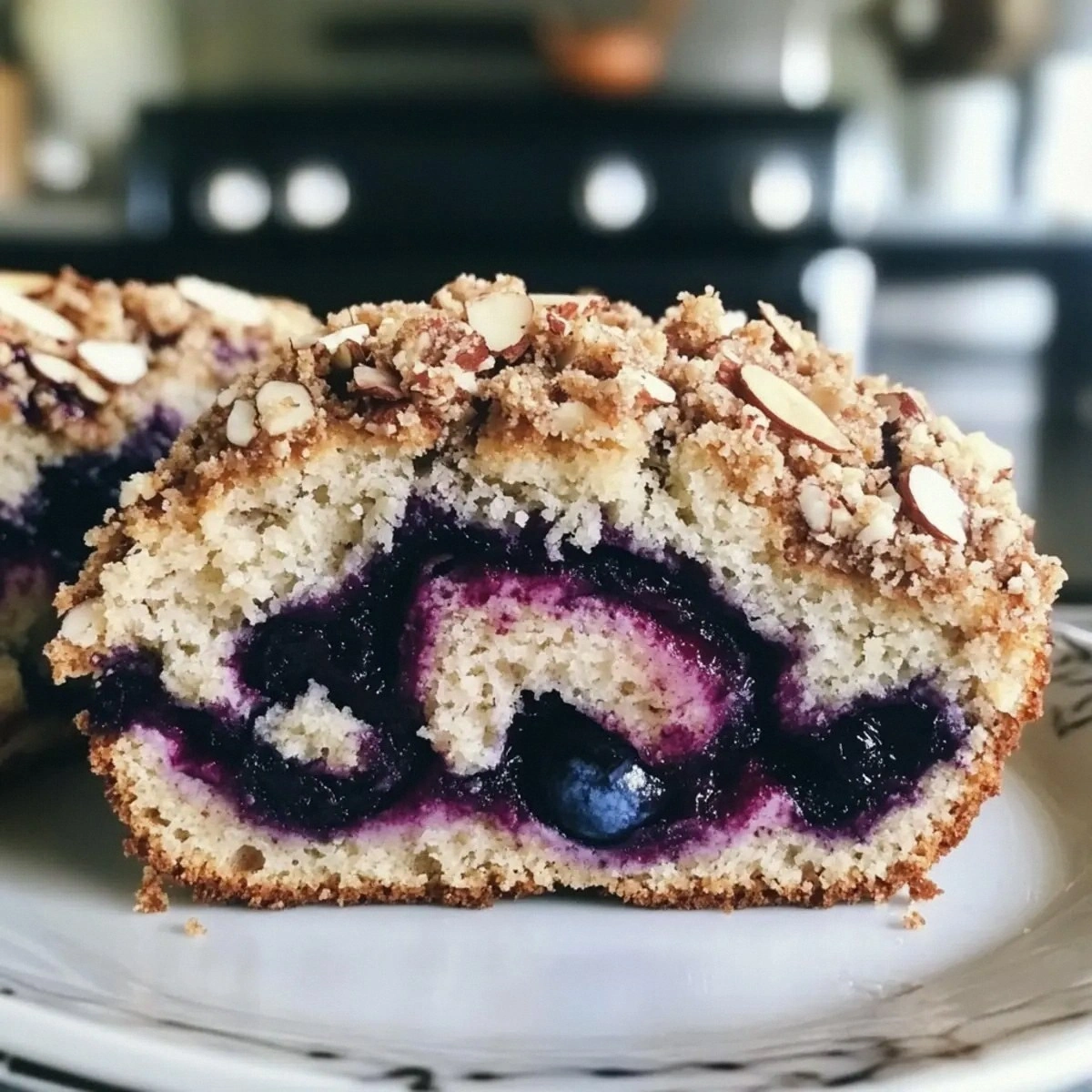
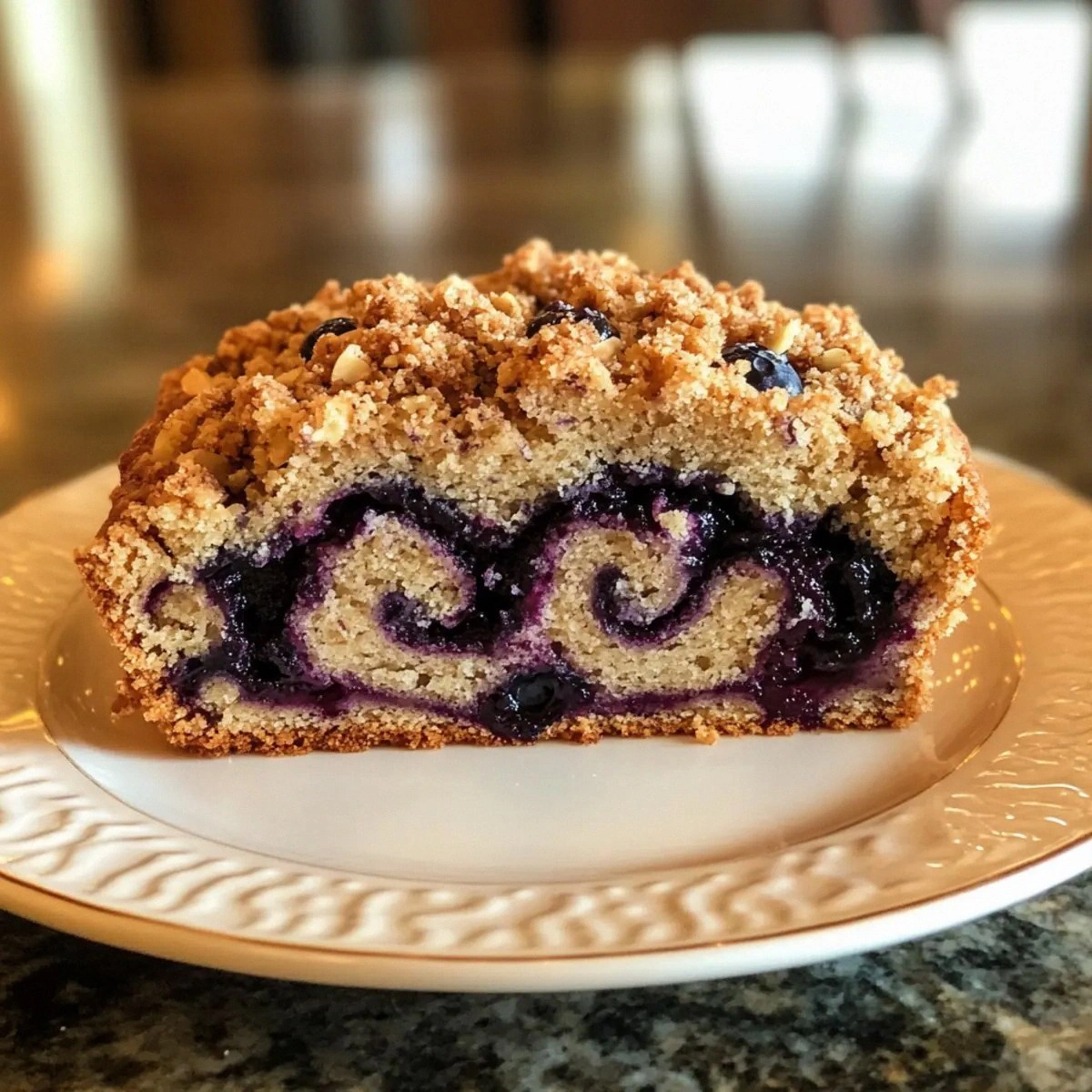
Picture this: the moment the loaf slides out of the oven, the kitchen is filled with a sweet‑tart perfume that whispers of summer fields and buttery pastries. The top crackles with a golden almond crust that shatters like thin ice under a spoon, while the interior is a moist, pillow‑soft canvas studded with plump blueberries that burst like tiny fireworks. When you slice into it, the crumb releases a gentle steam that carries a hint of lemon, and the first bite delivers a perfect balance of tang, sweetness, and that buttery crunch you never knew you needed. It’s the kind of dessert that makes you close your eyes and say, “I dare you to taste this and not go back for seconds.”
Most blueberry quick breads end up either dry or soggy, and most pies end up either over‑baked or under‑cooked. I’ve tried the “quick” route and the “pie” route, and most recipes get this completely wrong. Here’s what actually works: a delicate batter that stays tender, a thickened blueberry filling that doesn’t ooze out, and a topping that stays crunchy even after the bake. The secret weapon? A modest amount of almond paste that melts into a nutty glaze, plus a splash of lemon juice that cuts the sweetness and brightens the whole thing. Trust me, this is hands down the best version you’ll ever make at home.
I’ll be honest — I ate half the batch before anyone else got to try it, and I’m still not over the feeling of that first warm slice melting on my tongue. The technique I’m about to share is a game‑changer, and I promise you’ll wonder how you ever made any other blueberry bread. Let me walk you through every single step — by the end, you’ll have a show‑stopping loaf that looks like a pie, tastes like a dream, and crunches like a fresh almond‑toasted whisper. Okay, ready for the game‑changer?
What Makes This Version Stand Out
- Taste: The lemon‑kissed blueberry filling balances the sweet almond topping, creating a flavor duet that sings with every bite.
- Texture: A moist, cake‑like crumb meets a crisp almond crust, delivering contrast that feels like biting into a summer day and a toasted nut garden at once.
- Simplicity: Only fifteen minutes of prep and thirty minutes of bake time, yet the result feels like a bakery‑level masterpiece.
- Uniqueness: The almond paste in the topping is a secret I stole from a French patisserie, turning a humble quick bread into a sophisticated dessert.
- Crowd Reaction: Guests often declare it “the best thing they’ve ever tasted at a potluck,” and I’ve seen strangers ask for the recipe before the first slice is even served.
- Ingredient Quality: Fresh, plump blueberries and high‑fat unsalted butter give depth that frozen or low‑fat alternatives simply can’t match.
- Cooking Method: The two‑stage bake (first high heat for crust formation, then lower heat for even crumb) guarantees a perfect rise without a soggy center.
- Make‑Ahead Potential: This loaf freezes beautifully, and the topping stays crunchy after reheating, making it a perfect make‑ahead breakfast or dessert.
Inside the Ingredient List
The Flavor Base
Blueberries are the heart of this loaf, providing bursts of juicy sweetness that contrast beautifully with the tangy lemon juice. The lemon doesn’t just add brightness; it also stabilizes the blueberries, preventing them from turning mushy during the bake. If you ever skip the lemon, you’ll notice a dull, overly sweet filling that lacks that signature zing. For the best results, choose berries that are firm to the touch and have a deep indigo hue — they’ll hold their shape and color better.
Granulated sugar is split between the filling and the topping, giving each layer its own sweet identity. The sugar in the filling sweetens the berries without overpowering them, while the sugar in the topping caramelizes, forming that irresistible golden crust. If you’re watching sugar, you can reduce the topping sugar by a tablespoon, but expect a slightly less glossy finish.
The Texture Crew
All‑purpose flour provides the structure, but it’s the combination of baking powder and the right amount of butter that yields a tender crumb. Baking powder releases carbon dioxide in two stages — once when it gets wet, and again when it hits the heat — giving the loaf its lofty rise without a dense interior. The unsalted butter, divided between batter and topping, ensures a buttery flavor without the surprise of salty pockets.
Cornstarch is the unsung hero that thickens the blueberry filling. It creates a glossy, jam‑like consistency that holds the berries together, preventing them from seeping into the crumb. If you substitute flour for cornstarch, the filling will be grainy and may make the loaf soggy. A quick tip: whisk the cornstarch with a splash of lemon juice before adding it to the berries to avoid lumps.
The Unexpected Star
Almond paste is the secret weapon that transforms this quick bread into a show‑stopper. It melts into a silky, nutty glaze that binds the topping butter, sugar, and flour into a crunchy crust. The almond flavor isn’t overpowering; it whispers in the background, adding depth and a sophisticated aroma that most quick breads lack. If you can’t find almond paste, finely ground almond flour mixed with a touch of honey works as a decent substitute, though the texture will be slightly less glossy.
Eggs act as the binder, giving the batter structure and a subtle richness that complements the fruit. The large eggs should be at room temperature; cold eggs can cause the batter to seize, leading to a crumbly texture. If you’re vegan, a blend of flaxseed meal and water (1 tablespoon flax + 3 tablespoons water per egg) can replace the eggs, but expect a slightly denser crumb.
The Final Flourish
Milk adds moisture and helps dissolve the sugar, ensuring the batter stays smooth. Use whole milk for the richest flavor, but 2% works fine if you’re watching calories. The vanilla extract is the aromatic glue that ties the sweet and nutty notes together, providing that comforting, home‑baked perfume you love. Finally, a pinch of salt (the 1/2 teaspoon listed) amplifies all the flavors, making each bite sing.
Everything's prepped? Good. Let’s get into the real action…
The Method — Step by Step
Preheat your oven to 350°F (175°C) and grease a 9‑by‑5‑inch loaf pan with a thin layer of butter, then line the bottom with parchment for a flawless release. The heat should be steady; a fluctuating oven temperature is the silent killer of crumb structure. While the oven warms, gather all your measuring cups and spoons, because you’ll need everything at arm’s length. That sizzle when the butter hits the pan? Absolute perfection.
In a medium saucepan, combine the blueberries, 1/2 cup granulated sugar, cornstarch, and lemon juice. Cook over medium heat, stirring constantly, until the mixture thickens and the berries start to pop — you’ll hear a gentle fizz that signals the cornstarch is doing its job. Once glossy, remove from heat and let the filling cool slightly; it should be warm, not steaming, so it won’t melt the batter later. If you over‑cook, the berries will turn mushy and lose that delightful pop.
While the filling cools, whisk together the flour, baking powder, and salt in a large bowl. In a separate bowl, cream 1/3 cup unsalted butter with the remaining 1/4 cup granulated sugar until light and fluffy — this is where the magic of aeration begins. Beat in the eggs one at a time, then stir in the vanilla and milk until the batter is smooth and slightly thick. Finally, fold the dry ingredients into the wet mixture just until combined; over‑mixing will develop gluten and give you a tough loaf.
Gently fold the warm blueberry filling into the batter, being careful not to over‑stir. The batter should look marbled, with ribbons of deep‑blue fruit weaving through a pale golden base. This step is the moment of truth — if you stir too hard, the blueberries will burst and turn the batter a uniform purple, losing that beautiful speckled look we’re after.
Now for the crunchy almond topping: In a small bowl, combine 2.5 tablespoons unsalted butter (softened), 1/2 cup flour, 1/4 cup granulated sugar, and 1/3 cup almond paste. Mix until you have a crumbly, slightly sticky mixture that clings together when pressed. Sprinkle this evenly over the batter, then gently pat it down with the back of a spoon. The topping should form a thin, even layer that will crackle as it bakes.
Place the loaf pan on the middle rack and bake for 20 minutes at 350°F, then reduce the heat to 325°F (165°C) and continue baking for another 15‑20 minutes. The edges should start pulling away from the sides of the pan, and a wooden skewer inserted into the center should come out clean or with just a few moist crumbs. The top will be a deep golden brown, and you’ll hear a faint crackle as the almond topping sets — that’s the sound of perfection.
When the loaf is done, remove it from the oven and let it rest in the pan for 10 minutes. This short rest lets the steam finish cooking the interior without over‑drying the crumb. After ten minutes, run a thin knife around the edges, invert the pan onto a cooling rack, and let the bread cool completely before slicing. Cutting it while warm will cause the filling to ooze out, ruining the crisp crust.
Finally, slice the loaf into generous wedges and serve warm or at room temperature. Pair it with a dollop of whipped cream or a scoop of vanilla ice cream for an extra indulgent treat, or enjoy it plain to let the almond‑blueberry duet shine. That first bite? It’s a symphony of buttery crumb, tart fruit, and a crunch that shatters like delicate glass. That’s it — you did it. But hold on, I’ve got a few more tricks that’ll take this to another level…
Insider Tricks for Flawless Results
The Temperature Rule Nobody Follows
Never bake a quick bread at a scorching 400°F unless you love a burnt crust. Starting at 350°F gives the batter time to set, while dropping to 325°F mid‑bake prevents the top from over‑browning before the center is cooked. I once tried a single‑temperature bake and ended up with a gummy middle and a charcoal‑like top. Trust the two‑stage approach; it’s the secret behind that even rise and the glossy almond crust.
Why Your Nose Knows Best
Your sense of smell is a far more reliable indicator of doneness than a timer. When the almond topping starts to emit a nutty, caramelized aroma, you’re within minutes of perfection. If you catch a faint burnt smell, pull the loaf out immediately; the crust will continue to set as it cools. Trusting your nose saved me from a ruined batch more times than any thermometer.
The 5‑Minute Rest That Changes Everything
Resist the urge to dive straight into slicing. Letting the loaf rest for five extra minutes after the initial 10‑minute pan rest allows the crumb to firm up, making clean cuts without smearing the filling. A friend once sliced too early and ended up with a soggy mess that looked like blueberry soup. Patience here is the difference between a bakery‑grade slice and a kitchen‑floor disaster.
Butter Temperature Matters
Room‑temperature butter incorporates air better than cold butter, leading to a lighter crumb. If you forget to soften the butter, cube it and microwave for 5‑10 seconds, then let it sit. Over‑softened butter can become liquid, which will make the batter too runny and the topping greasy. Keep it just soft enough to press with a finger.
The “Steam‑Boost” Finish
When the loaf is done, toss a few fresh blueberries onto the top and return it to the oven for a quick 2‑minute blast. The berries will soften slightly and release a glossy sheen, adding a visual pop and a burst of fresh flavor that contrasts the baked fruit inside. It’s a tiny step that makes the loaf look restaurant‑ready without extra effort.
Creative Twists and Variations
This recipe is a playground. Here are some of my favorite ways to switch things up:
Lemon‑Blueberry Zest
Add an extra tablespoon of lemon zest to the batter and replace half of the almond paste with orange zest. The citrus duo brightens the flavor profile, making the loaf perfect for a spring brunch.
Chocolate‑Swirl Delight
Melt ½ cup dark chocolate and drizzle it into the batter before folding in the blueberries. The chocolate creates ribbons that complement the fruit’s tartness, turning the loaf into a decadent dessert.
Nutty Crunch Upgrade
Swap half of the almond paste for finely chopped toasted hazelnuts. The extra nutty bite adds texture and a deeper flavor that pairs wonderfully with the blueberry’s acidity.
Whole‑Wheat Health Boost
Replace ½ cup of the all‑purpose flour with whole‑wheat flour for a nuttier crumb. The loaf will be slightly denser, but the added fiber makes it a hearty breakfast option.
Vegan Dream
Use flaxseed “eggs,” coconut oil instead of butter, and almond milk for the liquid. The almond paste can stay, as it’s already plant‑based, giving you a vegan version that still boasts that crunchy topping.
Storing and Bringing It Back to Life
Fridge Storage
Wrap the cooled loaf tightly in plastic wrap or store it in an airtight container. It will stay fresh for up to five days, and the almond topping will retain its crunch thanks to the butter barrier. If you notice the crust softening, pop the loaf under a broiler for a minute to re‑crisp.
Freezer Friendly
Slice the loaf before freezing; this way you can pull out individual pieces without thawing the whole thing. Place the slices on a parchment sheet, flash‑freeze for an hour, then transfer to a zip‑top freezer bag. They’ll keep for up to three months. When ready, reheat in a 300°F oven for 8‑10 minutes, and the almond topping will revive beautifully.
Best Reheating Method
To bring back that fresh‑baked magic, preheat your oven to 325°F, place a slice on a baking sheet, and add a tiny splash of water (about a teaspoon) to the edge of the pan. The steam generated keeps the crumb moist while the top re‑crispes. Avoid microwaving; it will make the topping soggy and the crumb rubbery.